Binance Alpha Launches a BNB Smart Chain Trading Competition: Trade FIGHT, BSU, and MERL to Share $600,000 in Rewards
Binance Alpha Launches a BNB Smart Chain Trading Competition: Trade FIGHT, BSU, and MERL to Share $600,000 in Rewards
Binance Wallet has announced a new BNB Smart Chain trading competition on Binance Alpha, featuring three tokens — FIGHT (FIGHT), Baby Shark Universe (BSU), and Merlin Chain (MERL) — with an estimated $600,000 worth of token rewards for eligible participants. You can review the full rules and reward tables in the official announcement: BNB Smart Chain Trading Competition: Trade FIGHT, BSU, and MERL to Share $600K Worth of Rewards.
In 2025 and early 2026, exchanges and wallet providers have increasingly used on-chain trading competitions and points-based incentives to bootstrap liquidity and attract users into specific ecosystems. This campaign is another example of that broader trend — but as always, the opportunity comes with real risks: volatility, slippage, and the temptation to overtrade.
Campaign snapshot (dates, venue, and rewards)
Promotion Period (UTC): 2026-02-03 13:00 to 2026-02-17 13:00
For reference, that’s Feb 3, 2026 8:00 AM EST to Feb 17, 2026 8:00 AM EST.
Where trades must happen (required):
- Binance Wallet (Keyless), or
- Binance Alpha
Third-party dApp trades are excluded per the official rules.
Reward structure (three independent pools):
- FIGHT pool: Top 6,660 users share 38,428,200 FIGHT (≈ 5,770 FIGHT per eligible winner)
- BSU pool: Top 4,000 users share 1,480,000 BSU (≈ 370 BSU per eligible winner)
- MERL pool: Top 4,000 users share 3,800,000 MERL (≈ 950 MERL per eligible winner)
Token reference pages (helpful for checking basics like supply, contract, and market data):
How rankings are calculated (and the “limit order” twist)
According to Binance, rankings are based on cumulative total trading volume during the promotion period, and both buys and sells count. The campaign also introduces a significant mechanic:
- Limit Order Bonus: limit orders receive 4x weighting in prize pool calculations, meaning limit-order volume is counted as four times for this competition.
That detail matters because it can change behavior on-chain: users may shift from pure market orders to limit orders to improve their “effective volume,” potentially impacting short-term liquidity patterns around these pairs.
If you want a clearer understanding of how Binance positions Alpha inside its product stack (Wallet vs Exchange integration), Binance Academy’s overview is a good starting point: What Is Binance Alpha?
Why this matters for the BNB Chain ecosystem
Trading competitions like this typically aim to:
- Increase on-chain liquidity for specific tokens (tighter spreads, more depth).
- Drive activity to the native chain, in this case BNB Smart Chain, which remains one of the most active EVM networks for consumer-facing tokens and DeFi. Background docs: BNB Smart Chain documentation.
- Promote a preferred trading venue (here, Binance Wallet Keyless and Binance Alpha), which also helps standardize the “eligible volume” rules and measurement.
For users, the practical takeaway is that incentives can improve liquidity temporarily — but they can also amplify short-term speculation and price swings, especially for higher-beta assets.
How to participate (practical checklist)
Based on the official rules, your flow typically looks like this:
-
Open the event page in the Binance App and click “Join”
Only volume after joining counts. -
Use the correct venue for trading
- Trade via Binance Wallet (Keyless) or Binance Alpha only.
-
Trade eligible pairs
- “All FIGHT token pairs,” “all BSU token pairs,” and “all MERL token pairs” are included (per the official table).
-
Avoid excluded activity
- Bridging transactions are not eligible.
- Third-party dApp trades are excluded.
-
Watch the reward timeline
- Rewards are expected to be made claimable before 2026-03-03 13:00 UTC, and you must claim within the stated window after they become available (per the announcement).
Risk controls: common mistakes users make in trading competitions
A few user-focused points that matter more in 2026 than ever, given how competitive these programs have become:
- Don’t confuse “trading volume” with “profit.” High volume can mean high fees, slippage, and adverse price movement.
- Know what you’re trading. Especially with meme-adjacent or fast-moving assets, contract impersonations and ticker confusion are common. When in doubt, verify via a block explorer and the token’s official channels.
- Be careful with over-optimization. A 4x limit-order weighting can tempt users to place unrealistic orders or churn volume. If the market moves against you, “points” won’t offset losses.
- Separate trading funds from long-term holdings. This reduces the blast radius if a wallet session, device, or approval goes wrong.
Where OneKey fits (optional, but worth considering)
If you plan to participate in campaigns like this, a sensible setup is two-layer custody:
- Use a “hot” environment for short-term trading activity where speed matters.
- Move longer-term holdings (and any rewards you intend to keep) into self-custody with strong isolation.
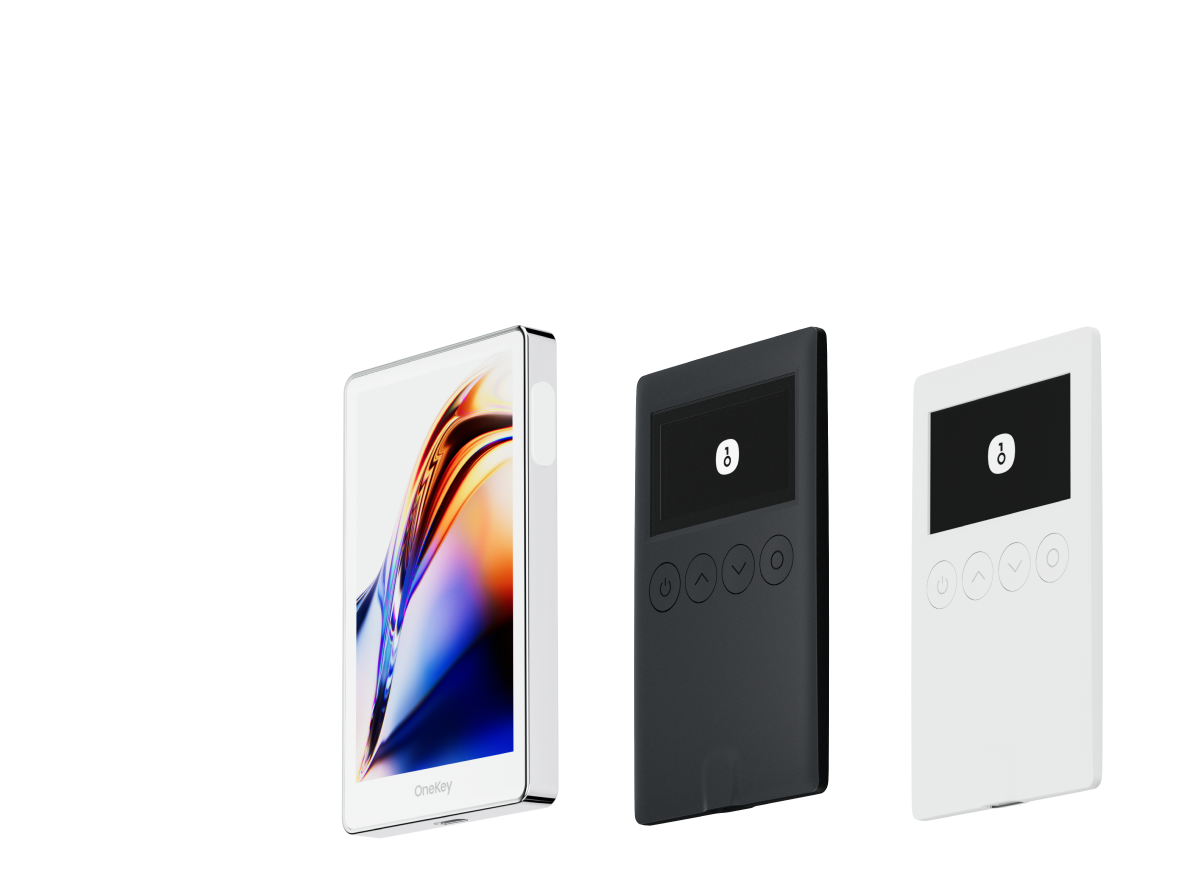
OneKey hardware wallet is designed for self-custody and can be a good fit for users who want to keep long-term assets off their daily trading surface area, while still staying active across multi-chain ecosystems like BNB Smart Chain.
This article is for informational purposes only and does not constitute investment advice. Always review the campaign rules carefully and assess your own risk tolerance before participating.