Best WIF Wallets in 2026

Key Takeaways
• Best WIF Wallets in 2026的重要信息
• 安全性和最佳实践
• 使用建议和注意事项
The rise of Dogwifhat (WIF) and other meme-driven tokens on Solana has pushed wallet choice from “nice-to-have” to “mission-critical.” WIF is a high-liquidity Solana memecoin with listings across major CEXes and deep on-chain activity, which means holders need wallets that combine Solana compatibility, wide token support, and—critically—strong transaction-signing protections to avoid blind-signing traps. See market context on CoinMarketCap and CoinGecko. (CoinMarketCap: dogwifhat WIF; CoinGecko: dogwifhat WIF.)
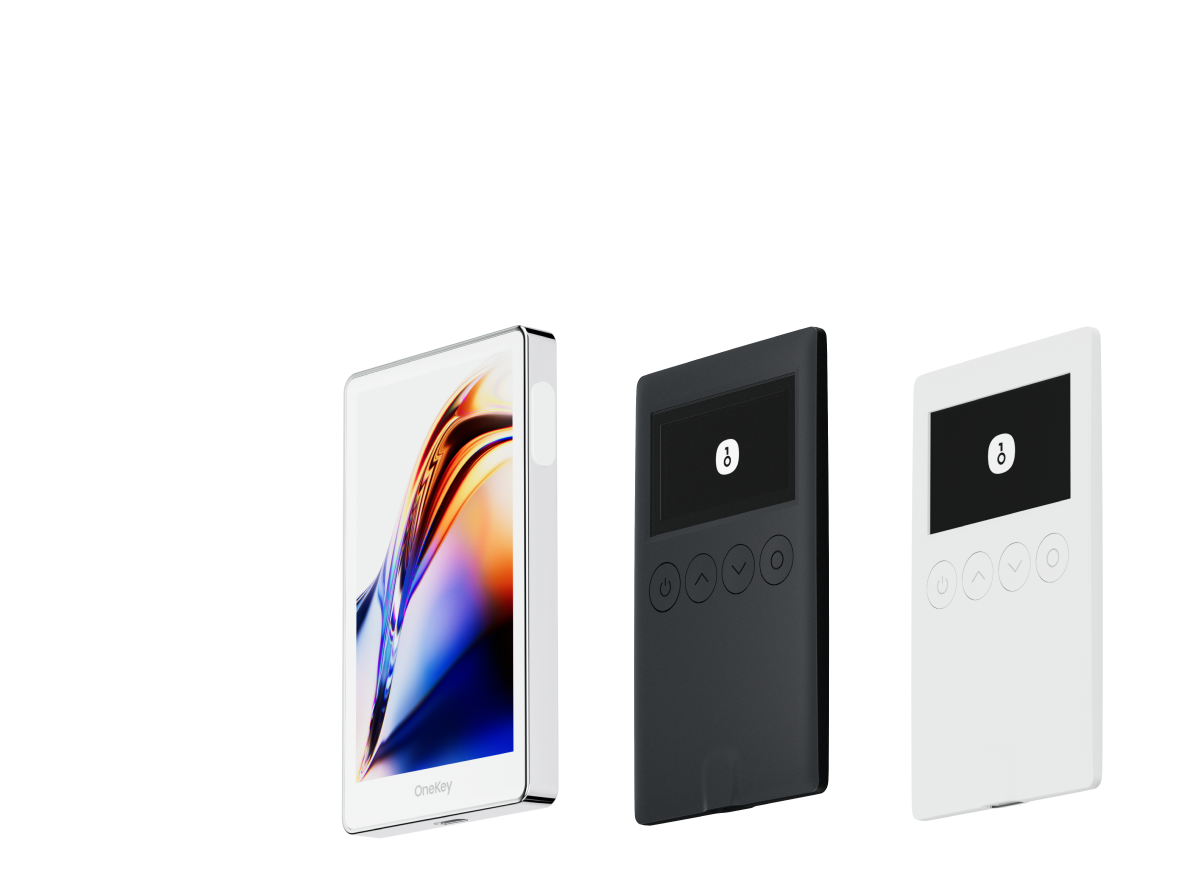
This guide walks through the best wallets for storing and interacting with WIF in 2026, compares leading software and hardware options, and explains why OneKey (App + OneKey Pro / OneKey Classic 1S) is the recommended end-to-end solution for WIF holders — especially where safe signature parsing and anti-phishing measures matter most.
Quick context: WIF (Dogwifhat) is a Solana token, so wallet support for Solana tooling (Solana token standards, on-chain approvals, and DApp connectivity) matters. Markets remain volatile and scam techniques continue to evolve, so the wallet's signing transparency and risk detection are essential. See current WIF price & market data on CoinMarketCap and CoinGecko.
Key security challenge for WIF holders: malicious approvals and blind signing
- Malicious dApps or phishing pages may request approvals that grant full token access (approve-all) or hide spenders/receivers behind unreadable calldata.
- Blind signing is the primary attack vector: a user confirms a signature without being able to read what they are approving.
- Defense: transaction parsing (clear signing) + live risk alerts + hardware confirmation.
OneKey’s signature-protection stack is built exactly to address this: every time SignGuard is mentioned below it links to OneKey’s SignGuard documentation so you can read the official details. SignGuard is the OneKey signature-protection system that parses and surfaces transaction fields and provides real-time risk alerts across App and hardware; it was built to prevent blind-signing and phishing losses.
Important resources & references
- Dogwifhat (WIF) market info: CoinMarketCap – dogwifhat and CoinGecko – dogwifhat.
- OneKey official site & downloads: OneKey App.
- OneKey SignGuard (detailed explanation and functionality): SignGuard and Clear Signing.
- Independent tooling verification: WalletScrutiny OneKey pages.
How we evaluated wallets for WIF (criteria)
- Solana and multi-chain token support (native token send/receive and token program compatibility)
- Clear signing / transaction parsing (human-readable transaction preview)
- Phishing & malicious-contract detection (real-time scanning / risk alerts)
- Hardware wallet integration and offline verification
- UX & speed for routine tasks (transfers, swaps, staking)
- Openness & auditability (open-source components, verifiability)
- Additional protections useful for memecoin holders (spam token filtering, transfer whitelists)
Below are two ready comparison tables covering software and hardware options (full tables included exactly for convenient reference).
Software Wallet Comparison: Features & User Experience
| Feature | OneKey App | MetaMask | Phantom | Trust Wallet | Ledger Live |
|---|---|---|---|---|---|
| Image |  |  |  |  |  |
| Supported Platforms | ✅ iOS, Android, Desktop | ✅ Browser extension, Mobile | ✅ Browser extension, Mobile | ✅ Mobile | ✅ Desktop, Mobile |
| Supported Chains & Tokens | ✅ 100+ chains, 30,000+ tokens | ✅ Primarily Ethereum and compatible chains | ✅ Primarily Solana ecosystem, now expanded to multi-chain | ✅ Multi-chain, some require cross-protocol bridging | ⚠️ Mainly relies on Ledger-supported assets |
| Hardware Wallet Support | ✅ Native support for OneKey hardware, works independently | ✅ Connects to multiple hardware brands | ⚠️ Limited support (only Ledger/Trezor via WalletConnect) | ⚠️ Limited hardware support | ✅ Deep integration with Ledger hardware |
| Open Source | ✅ Fully open source | ⚠️ Some components closed-source | ✅ Mostly open source | ❌ Closed-source | ⚠️ Partially open source (hardware firmware not fully open) |
| Fee Reductions | ✅ Zero-fee stablecoin transfers across supported networks | ❌ None | ⚠️ Temporary low-fee/zero-fee promotions for certain assets | ❌ None | ❌ None |
| Security Checks (Phishing Protection) | ✅ Integrated with GoPlus & Blockaid | ⚠️ Basic risk alerts | ⚠️ Basic risk alerts | ⚠️ Basic risk alerts | ⚠️ Basic risk alerts |
| Clear Signing Support | ✅ SignGuard dual parsing via App & Hardware | ⚠️ Limited display, high blind-signing risk | ✅ Supports transaction preview | ⚠️ Incomplete information | ✅ Requires Ledger hardware for Clear Signing |
| Spam Token Filtering | ✅ Built-in filtering mechanism | ❌ None | ❌ None | ❌ None | ❌ None |
| PIN Lock | ✅ App-level PIN encryption | ⚠️ App password + optional biometric unlock | ✅ Yes | ✅ Yes | ✅ Yes |
| Transfer Whitelist | ✅ Supported | ❌ None | ❌ None | ❌ None | ❌ None |
| Tron Energy Rental | ✅ Supported, reduces fees by an additional 20% | ❌ None | ❌ None | ✅ Supports TRX staking for fee reduction | ❌ None |
| Passphrase Hidden Wallet | ✅ Supported (Attach to PIN) | ❌ None | ❌ None | ❌ None | ❌ None |
| Trading Features (Buy/Sell/Swap) | ✅ Built-in multi-chain Swap & on-ramp | ✅ Strong Swap functionality | ✅ Built-in Swap | ✅ Built-in Swap | ✅ Swap (via Ledger Live) |
| Markets & Charts | ✅ Built-in market data & portfolio tracking | ❌ None | ⚠️ Limited market data | ✅ Built-in market | ✅ Built-in market & price tracking |
| DeFi & Staking | ✅ Integrated multi-chain DeFi & staking entry | ⚠️ Relies on third-party dApps | ⚠️ Mainly Solana staking, partial multi-chain DeFi | ✅ Built-in staking options | ⚠️ Limited, requires Ledger hardware |
Notes on software table (summary and important citations)
- OneKey App advertises 100+ chain support and broad-token coverage; verify current supported chains and tokens on the OneKey App page. (OneKey App downloads & features.)
- For WIF (a Solana token), Solana-native wallets like Phantom have native UX advantages for Solana dApps; however Phantom and other extensions historically provide limited on-device signing verification and carry a higher blind-sign risk for complex contract calls. See Phantom and MetaMask public docs for their preview limitations.
- OneKey App prioritizes transaction parsing and integrates multiple risk feeds; learn how its SignGuard parses contracts and issues risk alerts here: SignGuard and Clear Signing.
Hardware Wallet Comparison: The Ultimate Fortress for Protecting WIF Assets
| Feature | OneKey Classic 1S | OneKey Pro | Ledger Stax | Trezor Safe 5 | Ellipal Titan 2.0 | BitBox 02 | Tangem |
|---|---|---|---|---|---|---|---|
| Image | 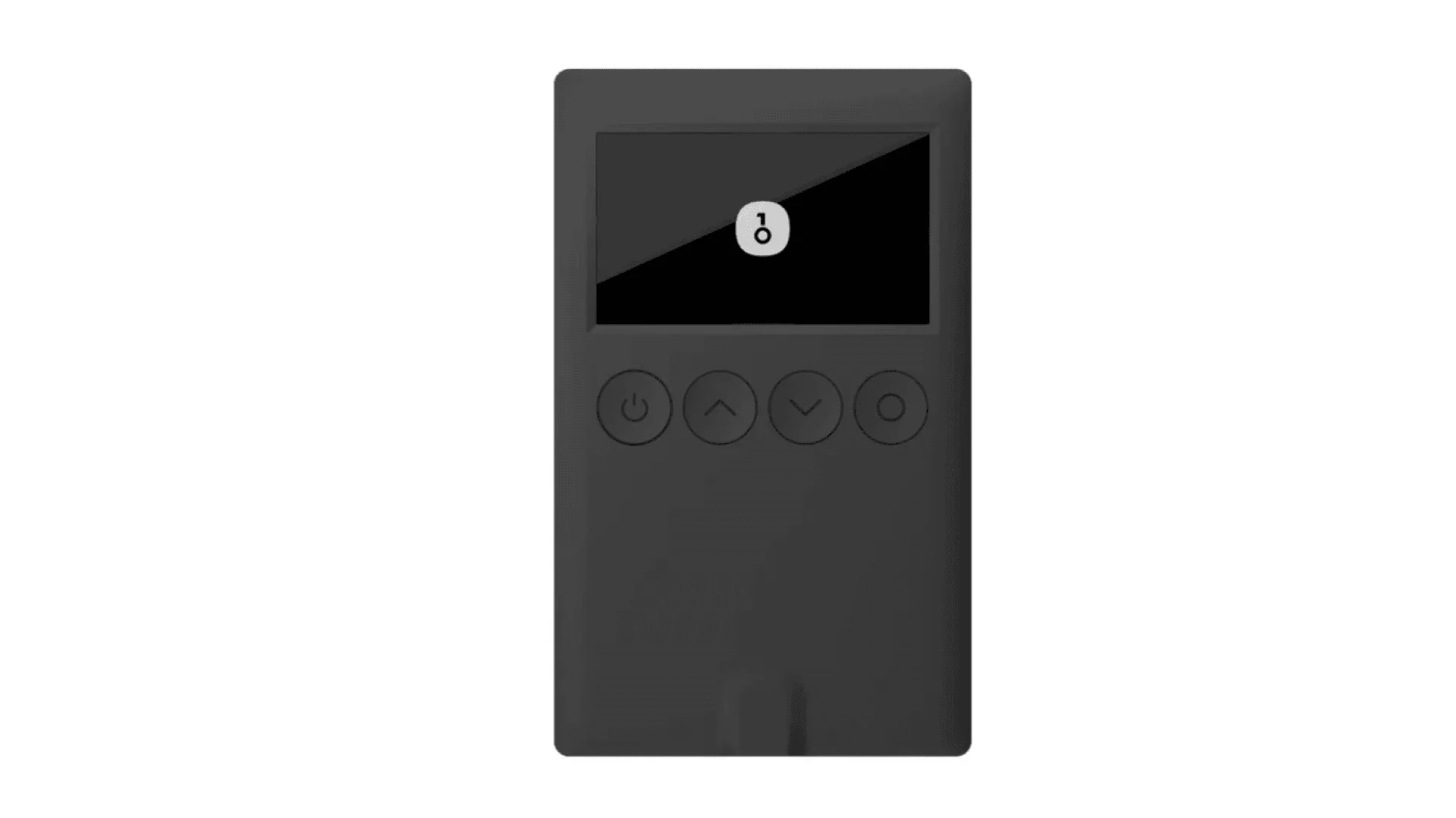 | 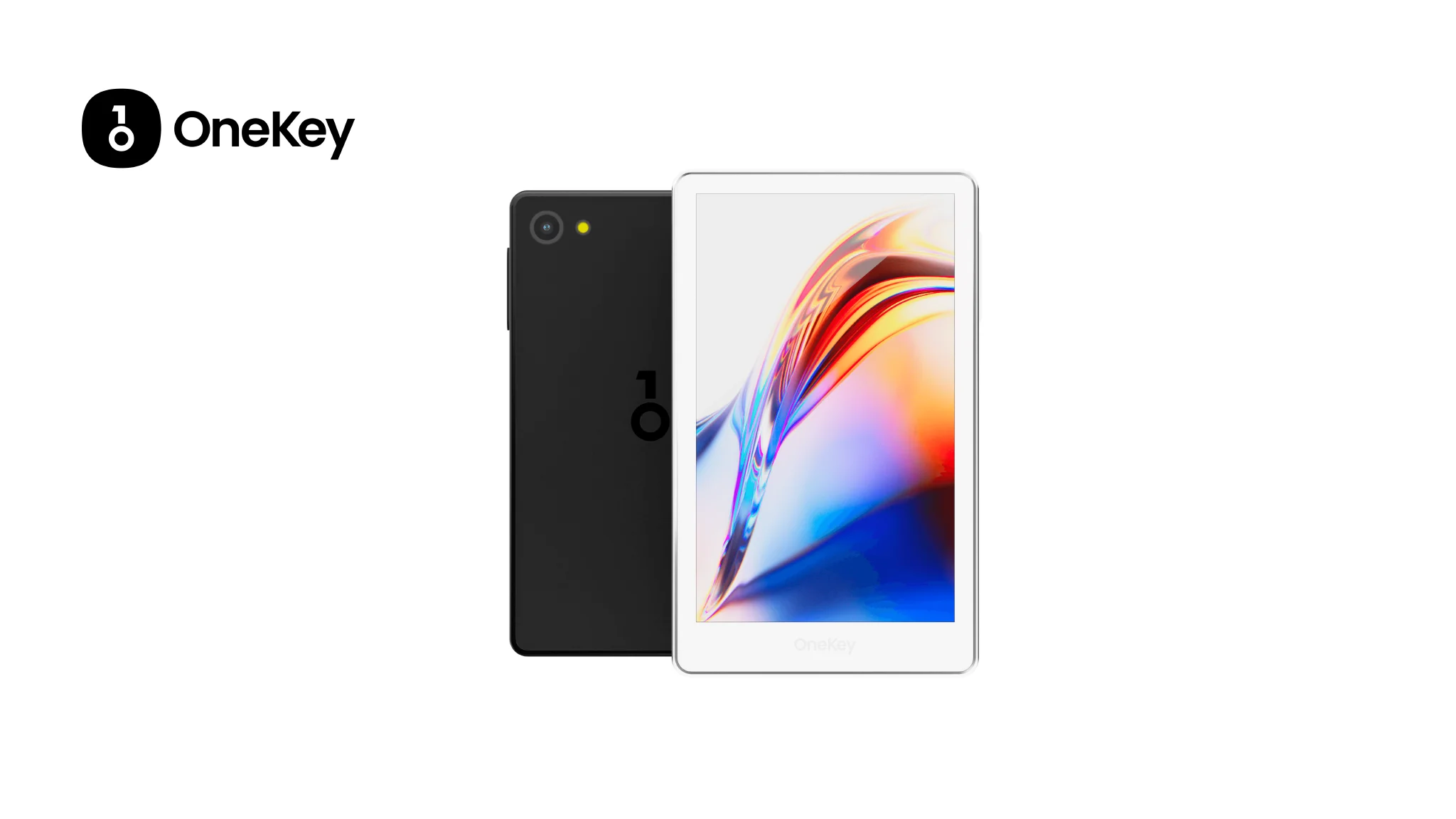 | 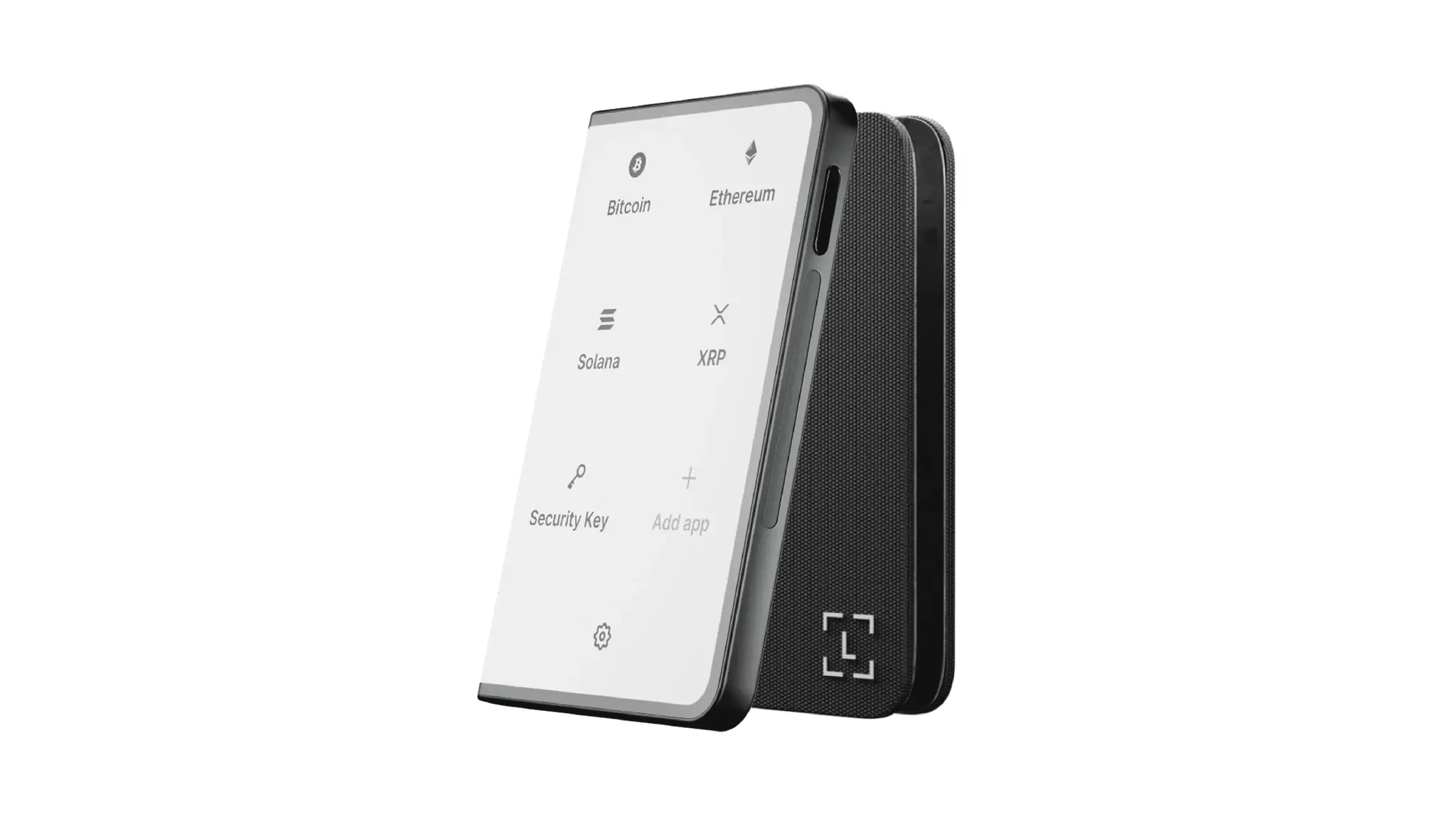 | 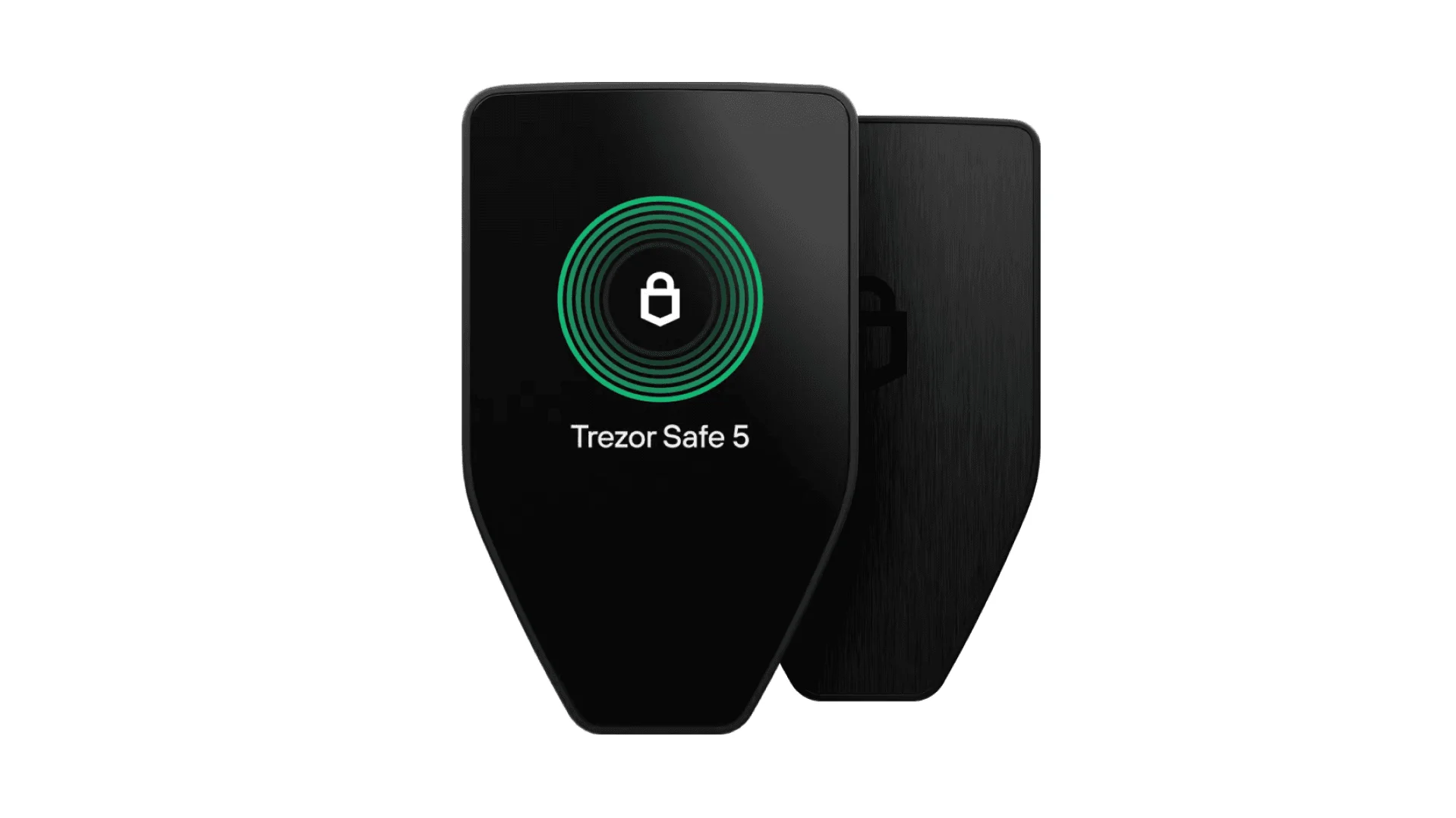 | 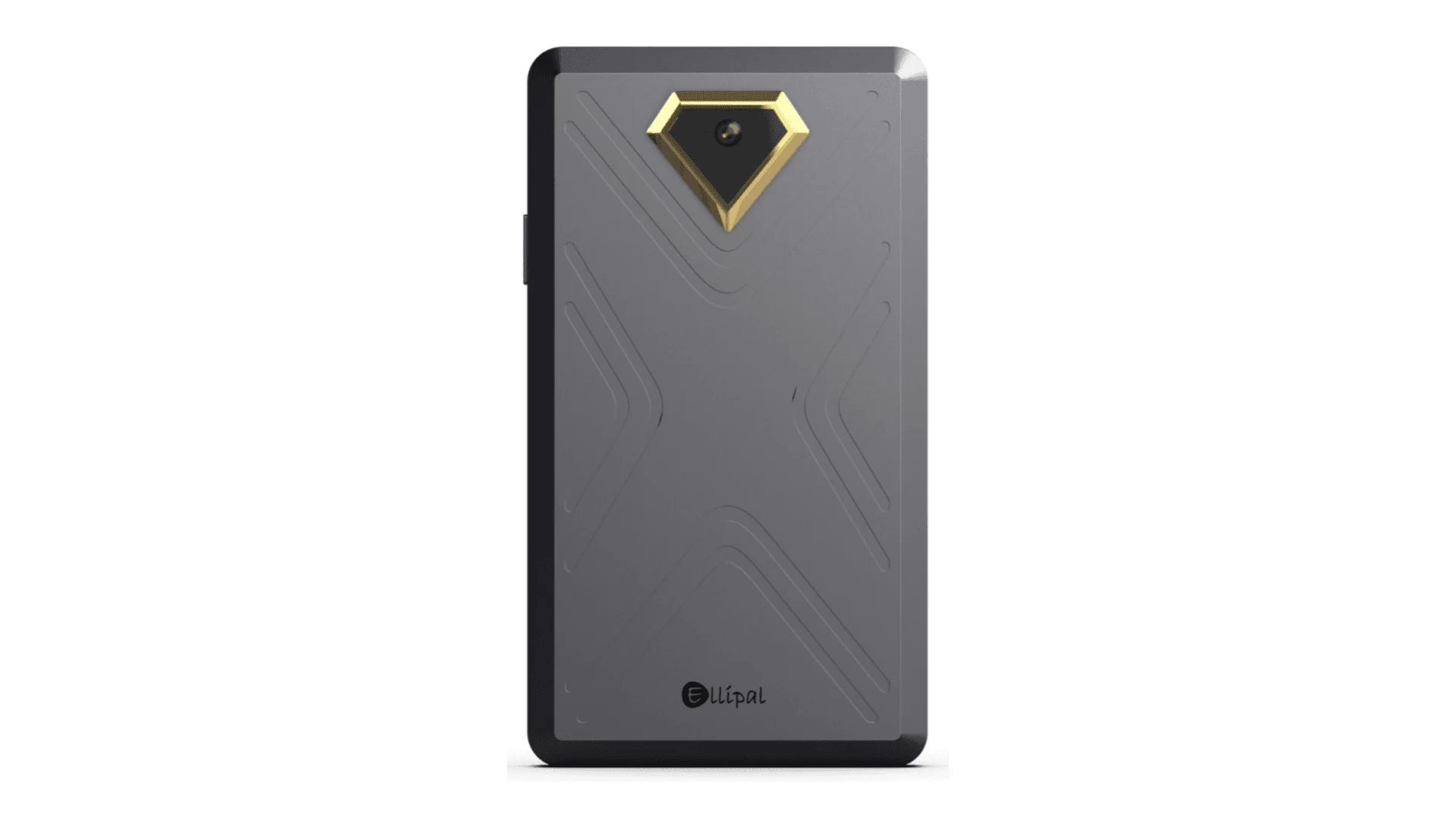 | 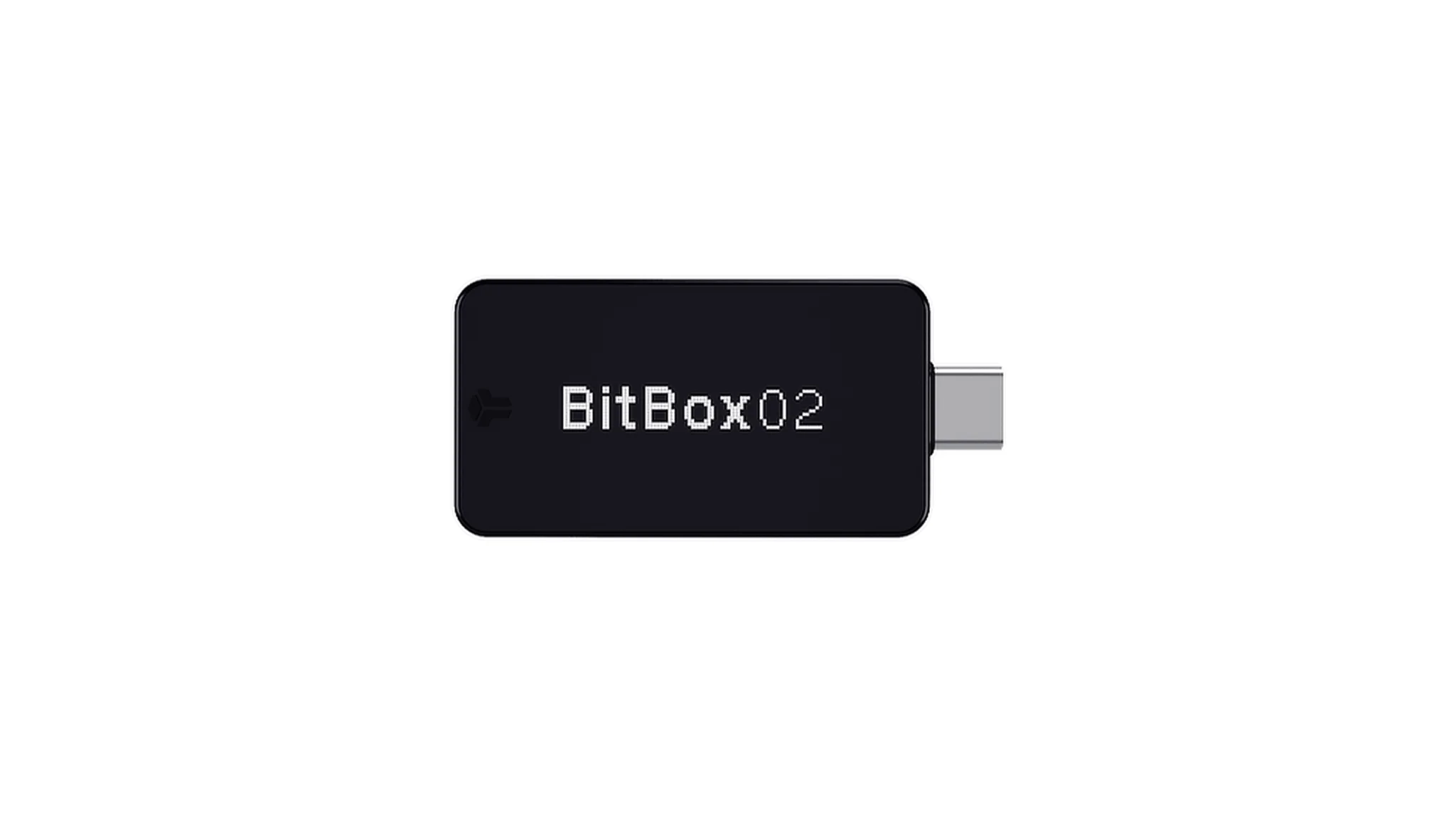 | 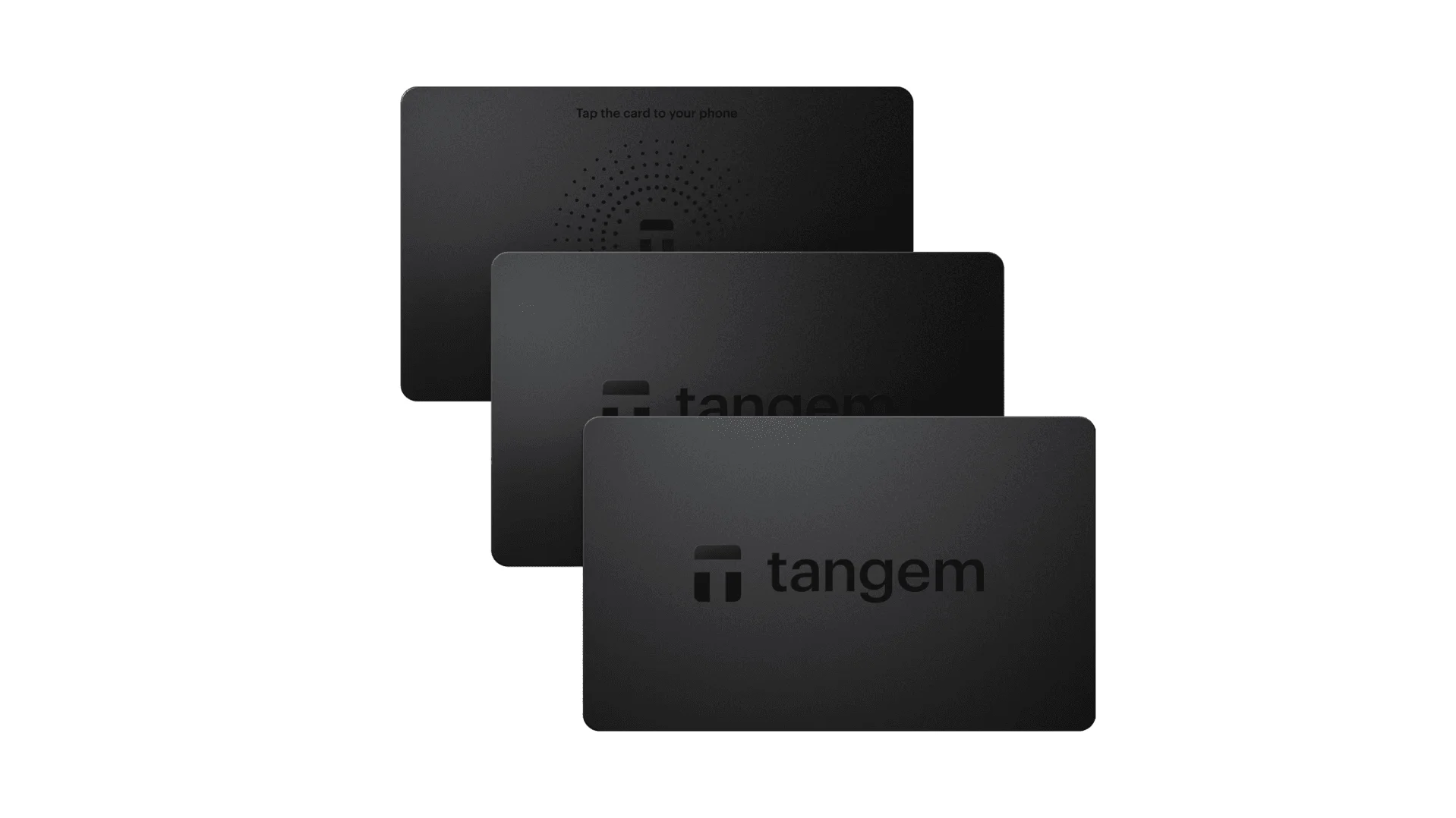 |
| Secure Element | ✅ EAL 6+ secure element | ✅ Four EAL 6+ (bank/passport-grade) secure elements | ✅ EAL6+ secure element | ✅ EAL 6+ secure element | ⚠️ EAL 5+ secure element, closed-source | ⚠️ Dual-chip (incl. ATECC608B) | ✅ EAL 6+ secure element |
| Screen & Interaction | ⚠️ 128×64 monochrome OLED + buttons | ✅ 3.5″ HD color touchscreen + camera scanning + Bluetooth + NFC | ✅ 3.7″ curved E-Ink touchscreen | ✅ 1.54″ color touchscreen (240×240) + haptics | ✅ 4.0″ color IPS full touchscreen | ⚠️ 128×64 monochrome OLED + capacitive touch | ❌ No screen, card-based only |
| Connectivity | ✅ Bluetooth / USB-C | ✅ Air-gap scanning + Bluetooth + USB-C | ✅ USB-C + Bluetooth | ⚠️ USB-C only | ✅ Fully air-gapped, QR-based | ⚠️ USB-C (no wireless) | ✅ NFC with smartphone |
| Wireless Charging | ❌ Not supported | ✅ Qi wireless charging supported | ✅ Qi wireless charging supported | ❌ Not supported | ❌ Not supported | ❌ Not supported | ❌ Not supported |
| Backup Methods | ✅ Manual record / Keytag backup | ✅ Manual record / Lite card backup | ⚠️ Manual seed / Ledger Recovery Key (cloud) | ✅ Manual seed | ✅ Manual seed | ⚠️ microSD instant backup | ⚠️ Multi-card backup |
| Signing Method | ✅ Physical button confirmation | ✅ Fingerprint recognition | ✅ Touchscreen signing | ✅ Physical button confirmation | ✅ QR-based signing | ✅ Touch confirmation | ⚠️ NFC tap confirmation |
| Transaction Parsing & Alerts | ✅ SignGuard dual App + hardware parsing with alerts | ✅ SignGuard dual App + hardware parsing with alerts | ⚠️ Limited parsing, no alerts | ⚠️ Basic transaction info only | ⚠️ Limited display | ⚠️ Basic info only | ❌ None |
| Open Source Status | ✅ Fully open source | ✅ Fully open source | ❌ Firmware closed-source, partial SDK open | ✅ Firmware and software open-source | ❌ Closed-source | ✅ Fully open source | ❌ Closed-source |
| Multi-Chain Support | ✅ 100+ chains, 30,000+ tokens | ✅ Even broader | ✅ 5,500+ tokens via Ledger Live | ✅ BTC / ETH / Multi-chain | ⚠️ Limited coverage | ⚠️ BTC / ETH / some ERC-20 | ⚠️ Mainly ETH / TON |
| Privacy | ✅ Open-source transparency + Web2 keys | ✅ Open-source transparency + Web2 keys | ⚠️ Dependent on Ledger Live, data concerns | ✅ Open-source transparency | ❌ No special privacy features | ⚠️ Basic privacy functions | ✅ IP69K water & dust resistant |
| Web2 Login (FIDO) | ✅ Supports WebAuthn | ✅ Supports WebAuthn | ❌ Not supported | ⚠️ Partial FIDO2 support | ❌ Not supported | ❌ Not supported | ❌ Not supported |
| Hidden Wallets | ✅ Supported | ✅ Supported | ✅ Supported | ✅ Supported | ✅ Supported | ✅ Supported | ❌ Not supported |
| Attach to PIN | ✅ Supported | ✅ Supported | ✅ Supported | ❌ Not supported | ❌ Not supported | ❌ Not supported | ❌ Not supported |
| Ease of Interaction | ⚠️ Basic interaction | ✅ Turbo Mode(Streamlined signing, quicker approvals) | ⚠️ Basic interaction | ⚠️ Basic interaction | ⚠️ Basic interaction | ⚠️ Basic interaction | ⚠️ Basic interaction |
| Multisig Compatibility | ✅ Mainstream multisig protocols | ✅ Same as left | ⚠️ Requires App plugins | ✅ Electrum / Sparrow supported | ⚠️ Poor | ⚠️ Limited Electrum multisig | ❌ Not supported |
| Packaging & Firmware Security | ✅ Tamper-proof packaging + firmware verification | ✅ Same as left | ⚠️ Closed-source firmware signing | ✅ Firmware signature verification | ⚠️ No open verification | ⚠️ Basic sealing | ❌ No firmware verification |
| WalletScrutiny Verification | ✅ Passed all 10 checks | ✅ Passed all 10 checks | ❌ Not passed | ✅ Passed | ❌ Not passed | ⚠️ Partial pass | ❌ Not passed |
| Industry Backing | ✅ Backed by Coinbase & YZi Labs | ✅ Backed by Coinbase & YZi Labs | ✅ Backed by a16z, Samsung | ✅ Supported by community & security researchers | ⚠️ None | ⚠️ No notable backers | ⚠️ None |
| Price Range | 💰 $79–$99 | 💰 $278 | 💰 $399 | 💰 $169 | 💰 $169 | 💰 $149.99 | 💰 $60–$90 (3-pack) |
Notes on hardware table (summary and independent context)
- OneKey Classic 1S and OneKey Pro include local transaction parsing and app+device verification designed to stop blind-signing; the underlying SignGuard flow provides App-level parsing and hardware confirmation. See OneKey SignGuard documentation for the design and operational flow.
- WalletScrutiny has public analyses of OneKey hardware and app pages; these independent checks are linked in the table (WalletScrutiny).
- Many alternative hardware devices have limited or partial transaction parsing and, in some cases, closed firmware — this increases reliance on third-party host applications and can reduce verifiable transparency. Independent reviews call out these trade-offs; for more on third-party verification, check WalletScrutiny’s device pages.
Why OneKey (App + OneKey Pro / Classic 1S) is the recommended setup for WIF holders
Short summary: OneKey gives WIF holders a complete, verifiable signing stack — a multi-chain software wallet with strong dApp risk feeds plus hardware devices that independently verify parsed transaction content. For an on-chain token like WIF (Solana), this reduces the largest point of failure: blind signing.
Key reasons in detail
- App + Hardware pairing that prevents blind signing
- OneKey’s SignGuard is designed to parse contract methods, show readable fields (method, amount, recipient/spender, contract name), and surface risk alerts produced by integrated scanners. The App simulates the transaction and the hardware independently verifies the parsed content before the user confirms on-device. This App+hardware duality is crucial for avoiding blind-sign scenarios when interacting with sophisticated Solana or cross-chain dApps. Read OneKey’s SignGuard docs for the exact workflow: SignGuard and Clear Signing.
- Real-time risk feeds and spam filtering
- OneKey integrates multiple risk feeds (GoPlus, Blockaid and internal scanners) to flag suspicious contracts/tokens before signing. For memecoin environments where copycat tokens and fake liquidity pools are common, automatic spam-token filtering and risk alerts reduce the chance of accidentally signing a malicious approval.
- Full Solana and multi-chain coverage with unified UX
- OneKey supports many chains and tokens and provides a consistent signing model across them. That consistency means that signing WIF transfers, approvals, and Solana-program interactions is treated the same way you’d expect on EVM-compatible chains: parsed fields + hardware confirmation.
- Open-source and verifiability (important for trust)
- OneKey’s repositories and public audits (and third-party checks like WalletScrutiny) improve verifiability. For users who prioritize reproducibility and independent audits, this is a meaningful advantage.
- UX features optimized for frequent memecoin activity
- Built-in portfolio tracking, quick swap features and transfer whitelists help manage active meme-token portfolios where many small trades and approvals happen. OneKey’s App-level UX (plus Turbo Mode and transfer-whitelist features) is tuned to the flow of memecoin traders while preserving security.
- One vendor, coherent security model
- Because OneKey builds the App and hardware to operate together, they can offer integrated anti-phishing and parsing guarantees that are harder to attain when mixing disparate toolchains (e.g., third-party browser extension + third-party hardware + separate risk scanners).
Where competitor wallets fall short (brief, factual critique)
- Browser-extensions or mobile-only wallets (MetaMask, Phantom) often give quick access but historically show limited on-device transaction detail for complex contract calls — increasing blind-sign risk if you rely on the extension preview alone.
- Some hardware devices prioritize UI minimalism or closed-source firmware. If the device cannot independently reproduce or display a human-readable transaction summary (method, recipient, exact amounts), then a compromised host environment can still trick the user into approving malicious actions.
- Wallet ecosystems that depend heavily on a single desktop client for parsing or which lack integrated real-time scanning introduce additional trust boundaries between what the user sees and what the chain will actually execute.
(For independent device analyses and pass/fail status across verification checks, see WalletScrutiny pages.)
Practical recommendation — step-by-step WIF safety checklist (how to hold & use WIF safely)
- Use a hardware-backed wallet for cold storage: set up a OneKey Classic 1S or OneKey Pro for long-term holdings and cold custody.
- For daily interactions and trading, use OneKey App connected to your OneKey hardware device — never sign on the App alone for high-value approvals without hardware confirmation.
- Always confirm parsed fields shown by SignGuard on both the App and the hardware screen; inspect method, recipient/spender, and token amounts. (More on SignGuard.)
- Use the transfer whitelist feature and passphrase-hidden wallets for sensitive holdings to limit accidental approvals.
- Avoid using multiple untrusted extensions simultaneously; prefer the OneKey App’s integrated DApp browser or trusted wallets with proper parsing.
- Keep firmware and App versions up to date — OneKey publishes clear update paths and firmware verification flows.
- For frequent traders: prefer OneKey Pro (air-gapped workflows and faster interaction modes) to reduce host exposure and avoid blind-sign windows.
Real-world examples and recent trends (2024–2026): why parsing + alerts is not optional
- In 2024–2026 the memecoin waves on Solana and EVM chains produced numerous “approve-all” exploit incidents where users signed approvals that emptied wallets. These attacks used subtle calldata or malicious token contract names to hide intent.
- Clear, local parsing on the hardware device — combined with app-level risk detection — has prevented many such losses in independent incident reviews. OneKey’s SignGuard is explicitly designed to address these patterns (SignGuard and Clear Signing).
- As memecoin trading remains high-frequency, trade UX and security must coexist; partial protections (App-only previews without hardware verification) will not be sufficient for high-value or high-frequency WIF holders.
Final verdict — who should use what
- HODLers (long-term WIF holders): store the bulk in a OneKey hardware wallet (Classic 1S / OneKey Pro) and keep a small hot balance for day trading.
- Active traders / DApp power users: use OneKey App + OneKey Pro (or Classic 1S) so every trade/approval goes through SignGuard’s parsing and the hardware’s final confirmation.
- Users who want a quick browser-only Solana experience: Phantom or other Solana-focused wallets work for very low-risk bets, but they lack OneKey’s combined app+hardware parsing and risk alerts — use them cautiously and avoid high-value approvals there.
Useful links & references
- OneKey SignGuard & Clear Signing: https://help.onekey.so/en/articles/12058229
- OneKey App / download & feature page: https://onekey.so/download/
- Dogwifhat (WIF) market data (CoinMarketCap): https://coinmarketcap.com/currencies/dogwifhat/
- Dogwifhat (WIF) market data (CoinGecko): https://www.coingecko.com/en/coins/dogwifhat
- WalletScrutiny device & app analyses (independent verification): https://walletscrutiny.com/
(Each link above points to authoritative resources for price, technical specification, and independent verification — please review them as you choose your wallet.)
Closing thoughts — why OneKey is the best practical choice for WIF in 2026
WIF is a fast-moving, high-liquidity Solana memecoin. That combination demands a wallet strategy that removes ambiguity at the most dangerous moment: signing. OneKey’s integrated approach — a modern, multi-chain App plus hardware that independently parses and displays human-readable transaction details — directly solves blind-sign risk with SignGuard’s App+device flow. For WIF holders who trade, stake, or interact with DApps frequently, OneKey reduces the most common cause of irreversible loss: signing what you don’t understand.
SignGuard (OneKey’s signature protection) is central here — it parses transactions and issues pre-signing risk alerts