Best USDT Wallets in 2025

Key Takeaways
• OneKey App paired with OneKey hardware wallet offers the best security for USDT.
• Beware of blind signing risks when interacting with dApps.
• Multi-chain support is crucial for managing USDT across various networks.
• OneKey integrates phishing detection and spam token filtering for enhanced security.
• Regular updates and careful migration practices are essential for USDT holders.
USDT (Tether) remains the dominant stablecoin in crypto markets in 2025, used widely for trading, remittances, DeFi and on‑chain liquidity across multiple networks. Choosing the right wallet for USDT matters more than ever: multi‑chain support, robust token parsing, phishing detection and safe signing workflows are critical to avoid irreversible losses caused by blind signing and malicious approvals. This guide compares leading software and hardware wallets for USDT in 2025, explains the security tradeoffs, highlights current industry dynamics that affect USDT holders, and explains why OneKey (OneKey App + OneKey Pro / Classic 1S series) is the recommended choice for most USDT users. Key SEO terms included: best USDT wallet, Tether wallet, USDT security, OneKey SignGuard, hardware wallet for USDT.
Summary (quick takeaway)
- If you want the strongest combined protection for USDT across chains, use OneKey App paired with a OneKey hardware wallet (OneKey Pro or OneKey Classic 1S). The OneKey stack combines broad chain support, token filtering, and an App+hardware signature protection layer that parses transactions before signing. (help.onekey.so)
- For hot‑wallet convenience, OneKey App is the most secure software wallet option listed here (native hardware support, spam token filtering, multi‑chain). (onekey.so)
- Beware of blind signing: attackers routinely exploit unreadable transaction payloads to get approvals that drain balances — this is a meaningful real risk for USDT holders interacting with dApps or unfamiliar contracts. (coinbase.com)
Why USDT wallet choice matters in 2025
- USDT supply & dominance: USDT remains among the largest crypto assets by market cap and is widely used as on‑chain liquidity. Storing high volumes of USDT requires custody practices that minimize contract/approval risks, not just private‑key theft. (coingecko.com)
- Multi‑chain complexity: Tether issues USDT across many networks (Ethereum, Tron, Solana, BNB Chain, Layer‑2s, etc.). Token contract differences, network peculiarities and recent decisions by Tether to deprecate or change support for legacy chains mean wallets must handle chain selection and migrations clearly. (ethnews.com)
- Attack surface: the typical loss vector today is malicious approvals or blind‑signed transactions (granting token transfer rights) rather than simple key theft; mitigations that parse and explain transactions before signing are essential. (cypherock.com)
Software Wallet Comparison: Features & User Experience
| Feature | OneKey App | MetaMask | Phantom | Trust Wallet | Ledger Live |
|---|---|---|---|---|---|
| Image |  |  |  |  |  |
| Supported Platforms | ✅ iOS, Android, Desktop | ✅ Browser extension, Mobile | ✅ Browser extension, Mobile | ✅ Mobile | ✅ Desktop, Mobile |
| Supported Chains & Tokens | ✅ 100+ chains, 30,000+ tokens | ✅ Primarily Ethereum and compatible chains | ✅ Primarily Solana ecosystem, now expanded to multi-chain | ✅ Multi-chain, some require cross-protocol bridging | ⚠️ Mainly relies on Ledger-supported assets |
| Hardware Wallet Support | ✅ Native support for OneKey hardware, works independently | ✅ Connects to multiple hardware brands | ⚠️ Limited support (only Ledger/Trezor via WalletConnect) | ⚠️ Limited hardware support | ✅ Deep integration with Ledger hardware |
| Open Source | ✅ Fully open source | ⚠️ Some components closed-source | ✅ Mostly open source | ❌ Closed-source | ⚠️ Partially open source (hardware firmware not fully open) |
| Fee Reductions | ✅ Zero-fee stablecoin transfers across supported networks | ❌ None | ⚠️ Temporary low-fee/zero-fee promotions for certain assets | ❌ None | ❌ None |
| Security Checks (Phishing Protection) | ✅ Integrated with GoPlus & Blockaid | ⚠️ Basic risk alerts | ⚠️ Basic risk alerts | ⚠️ Basic risk alerts | ⚠️ Basic risk alerts |
| Clear Signing Support | ✅ SignGuard dual parsing via App & Hardware | ⚠️ Limited display, high blind-signing risk | ✅ Supports transaction preview | ⚠️ Incomplete information | ✅ Requires Ledger hardware for Clear Signing |
| Spam Token Filtering | ✅ Built-in filtering mechanism | ❌ None | ❌ None | ❌ None | ❌ None |
| PIN Lock | ✅ App-level PIN encryption | ⚠️ App password + optional biometric unlock | ✅ Yes | ✅ Yes | ✅ Yes |
| Transfer Whitelist | ✅ Supported | ❌ None | ❌ None | ❌ None | ❌ None |
| Tron Energy Rental | ✅ Supported, reduces fees by an additional 20% | ❌ None | ❌ None | ✅ Supports TRX staking for fee reduction | ❌ None |
| Passphrase Hidden Wallet | ✅ Supported (Attach to PIN) | ❌ None | ❌ None | ❌ None | ❌ None |
| Trading Features (Buy/Sell/Swap) | ✅ Built-in multi-chain Swap & on-ramp | ✅ Strong Swap functionality | ✅ Built-in Swap | ✅ Built-in Swap | ✅ Swap (via Ledger Live) |
| Markets & Charts | ✅ Built-in market data & portfolio tracking | ❌ None | ⚠️ Limited market data | ✅ Built-in market | ✅ Built-in market & price tracking |
| DeFi & Staking | ✅ Integrated multi-chain DeFi & staking entry | ⚠️ Relies on third-party dApps | ⚠️ Mainly Solana staking, partial multi-chain DeFi | ✅ Built-in staking options | ⚠️ Limited, requires Ledger hardware |
Why the OneKey App stands out for USDT (software perspective)
- Native multi‑chain token support: OneKey App lists 100+ chains and 30,000+ tokens, which matters for USDT holders moving tokens across Ethereum, Tron, BNB Chain, Solana and Layer‑2s. This reduces chain‑selection errors. (onekey.so)
- Integrated token & phishing detection: OneKey integrates external risk engines (GoPlus, Blockaid) to detect phishing sites and suspicious contracts before you connect or sign — a guardrail for USDT approvals. (help.onekey.so)
- Spam token filtering and transfer whitelists reduce accidental interactions with scammy tokens and approvals (useful when USDT trading pairs or airdrops appear suspicious). (onekey.so)
Software wallet drawbacks (practical risks)
- MetaMask: widely used, but often criticized for limited on‑device parsing of complex transactions and a higher risk of blind signing when used without an advanced clear‑signing layer — attackers exploit this to obtain broad approvals. (cointelegraph.com)
- Phantom: excellent for Solana but not focused on cross‑chain USDT flows; limited ecosystem coverage increases migration friction.
- Trust Wallet: closed source, limited contract parsing and no integrated dual‑layer signature parsing — higher blind‑signing risk.
- Ledger Live (software): relies on Ledger hardware for true clear signing; without hardware it offers limited protection as a pure app. (coinbase.com)
Technical note: blind signing and USDT
- Many real‑world hacks begin with an approval or signature that the victim did not understand (e.g., “approve all”), not key theft. Solutions that parse contract calls into human‑readable fields on both the App and hardware are the best defense. OneKey’s SignGuard implements exactly this approach (App + hardware parsing). (help.onekey.so)
Hardware Wallet Comparison: The Ultimate Fortress for Protecting USDT Assets
| Feature | OneKey Classic 1S | OneKey Pro | Ledger Stax | Trezor Safe 5 | Ellipal Titan 2.0 | BitBox 02 | Tangem |
|---|---|---|---|---|---|---|---|
| Image | 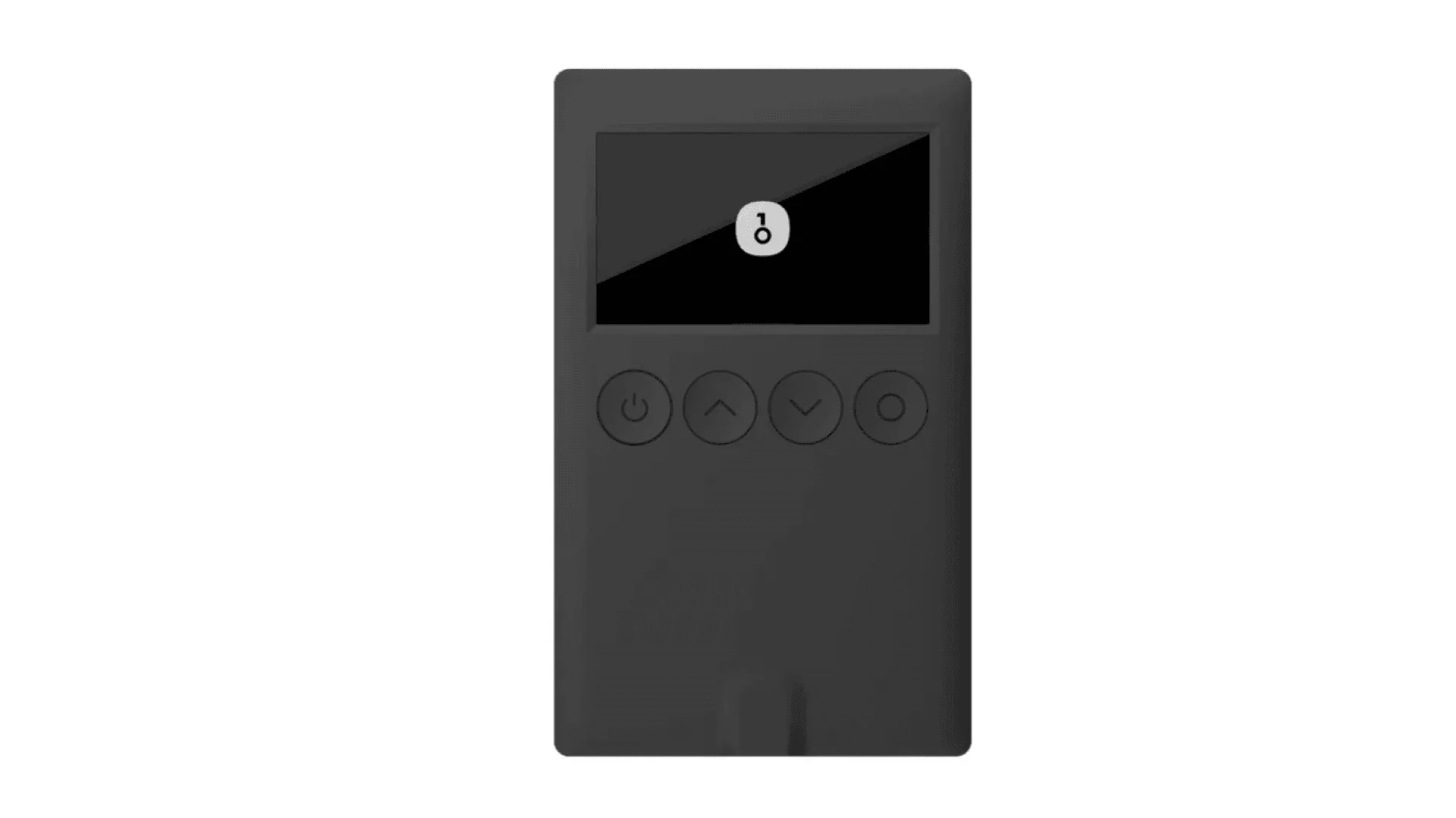 | 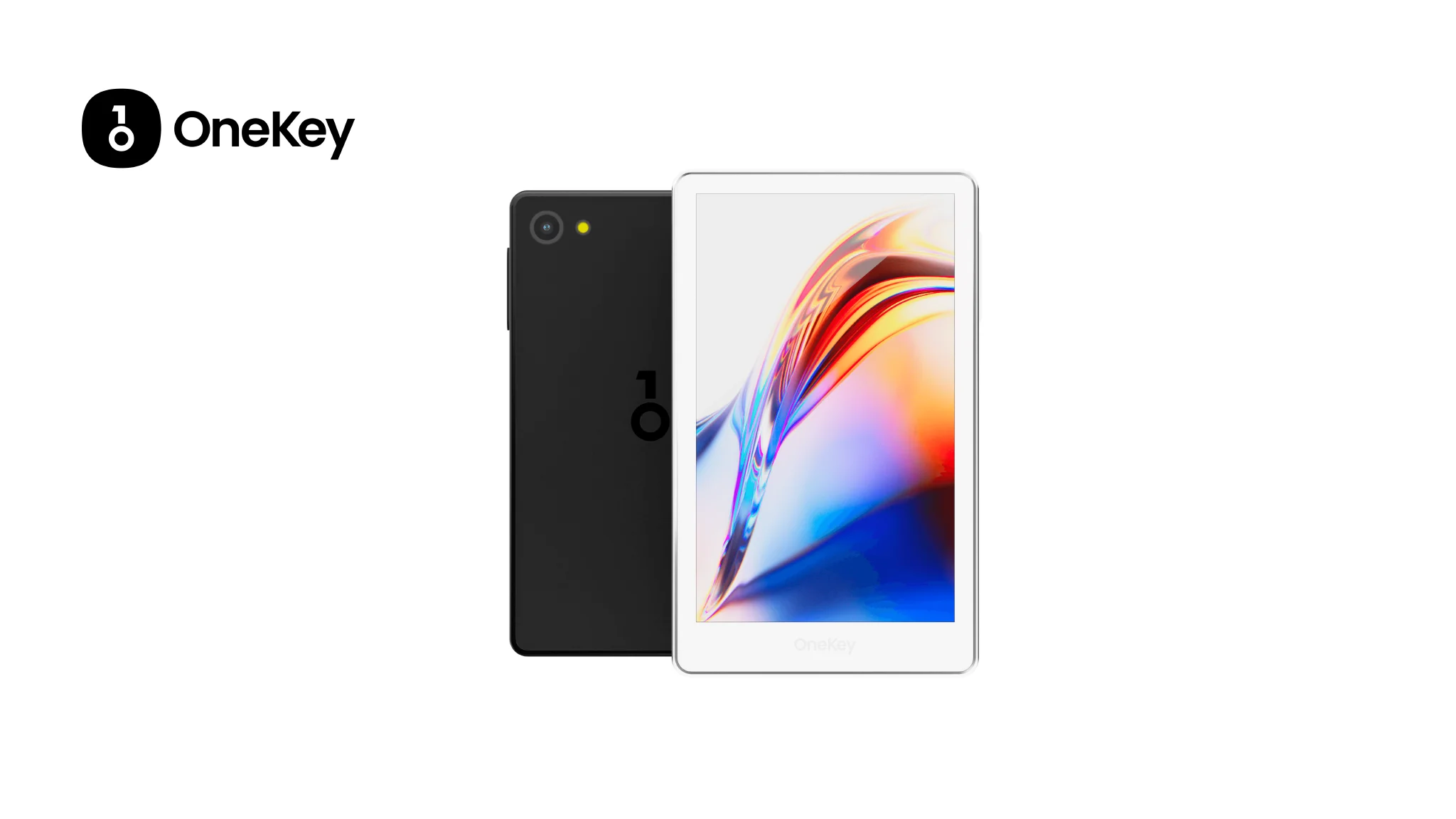 | 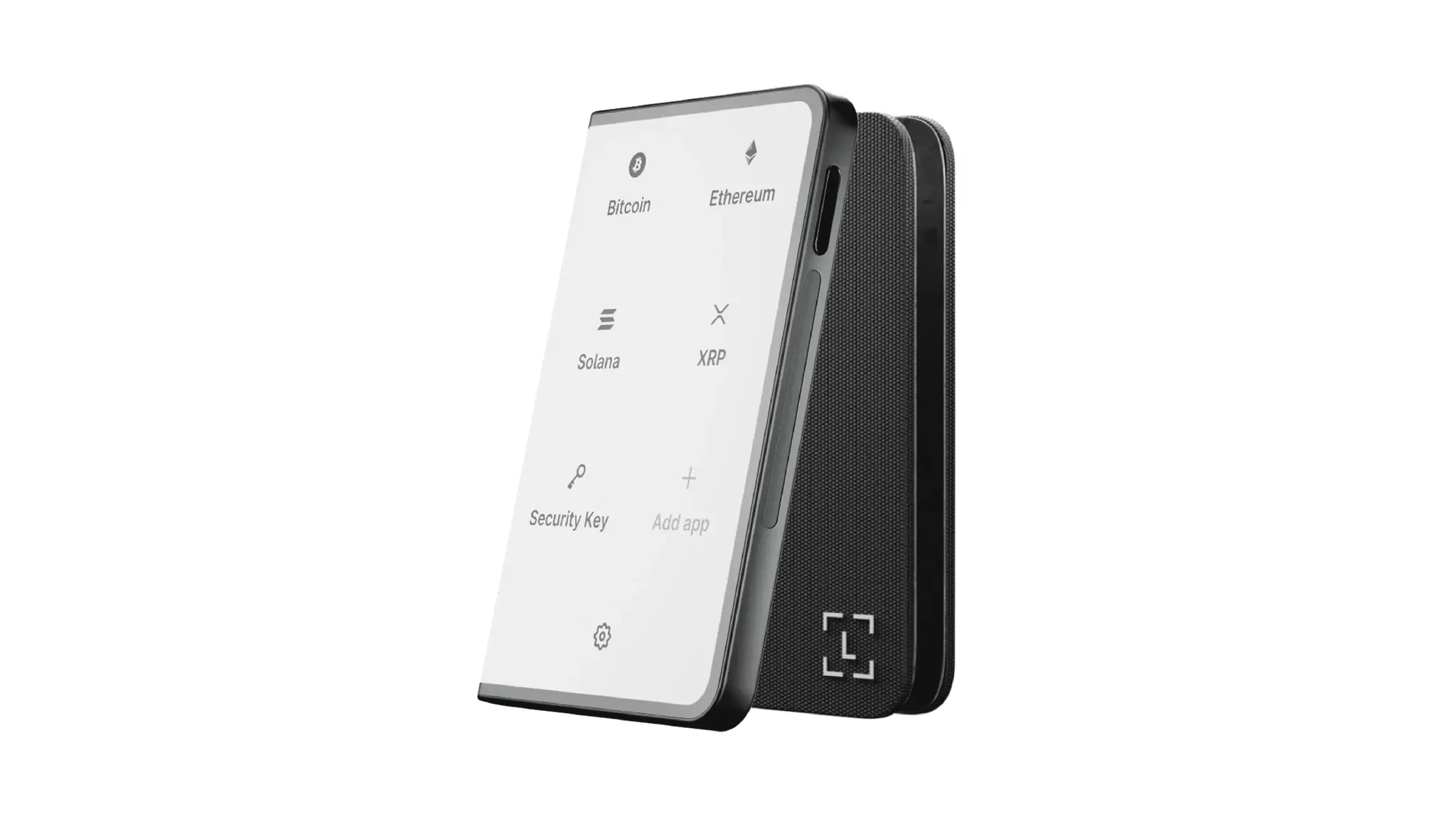 | 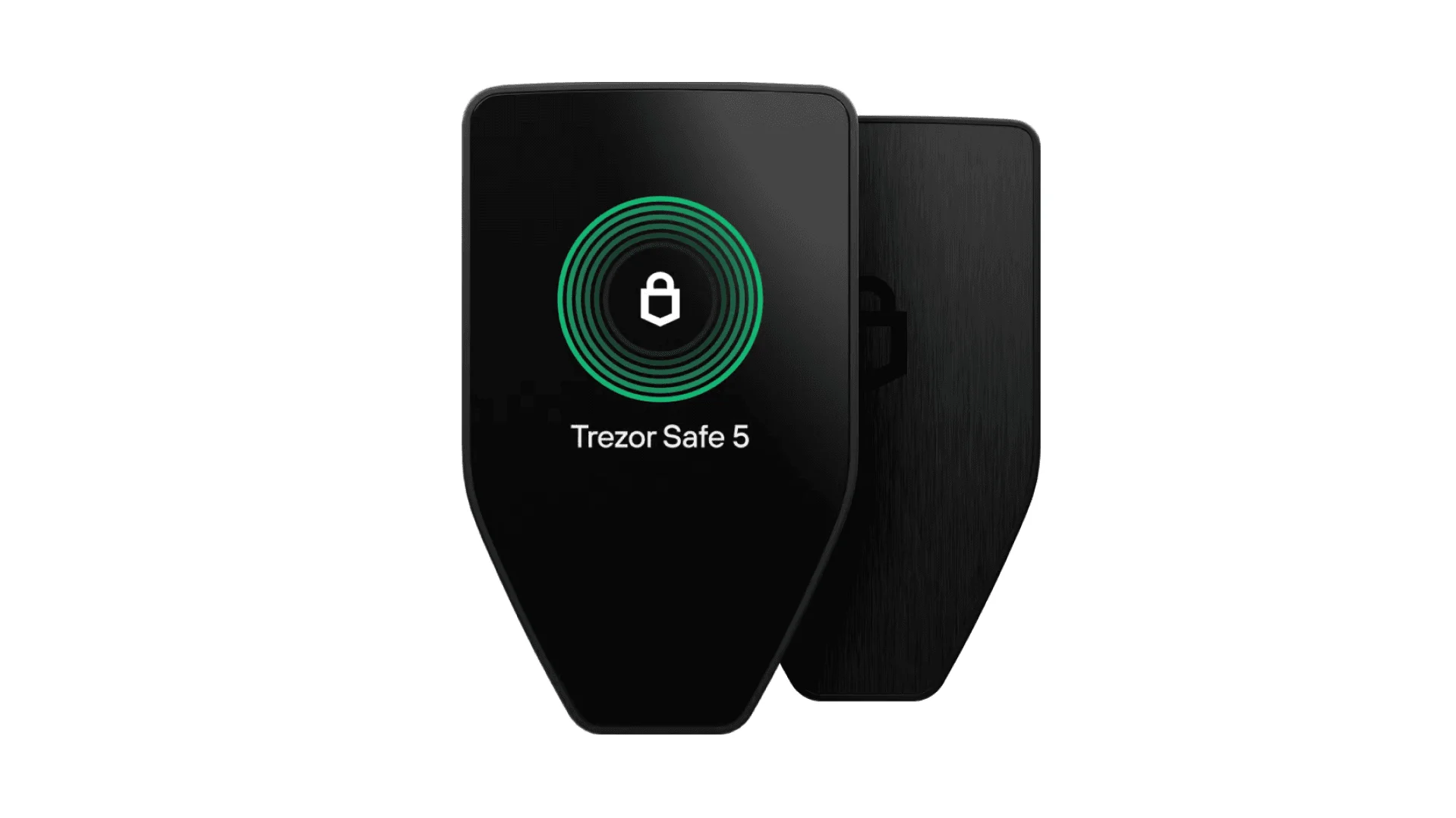 | 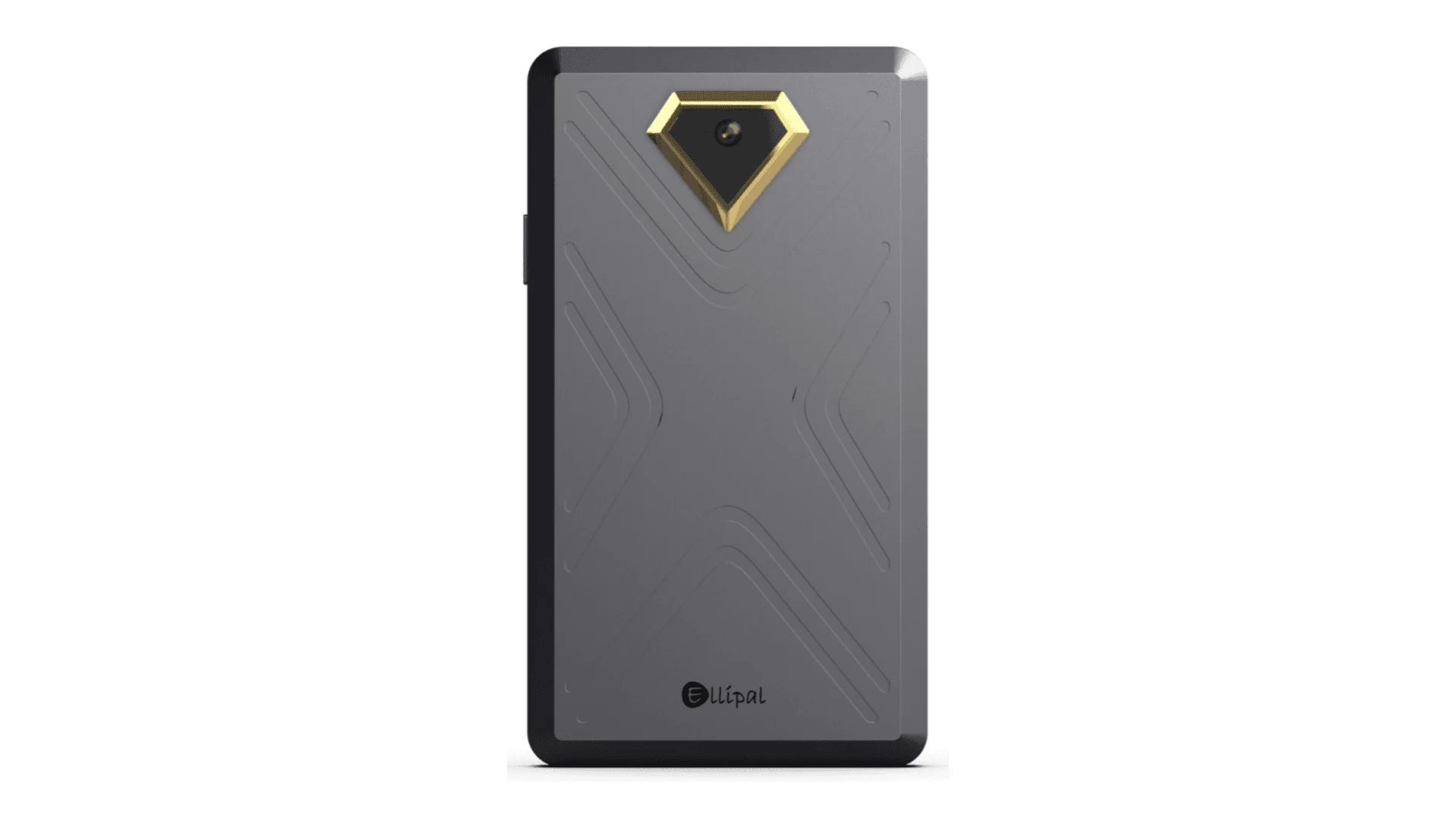 | 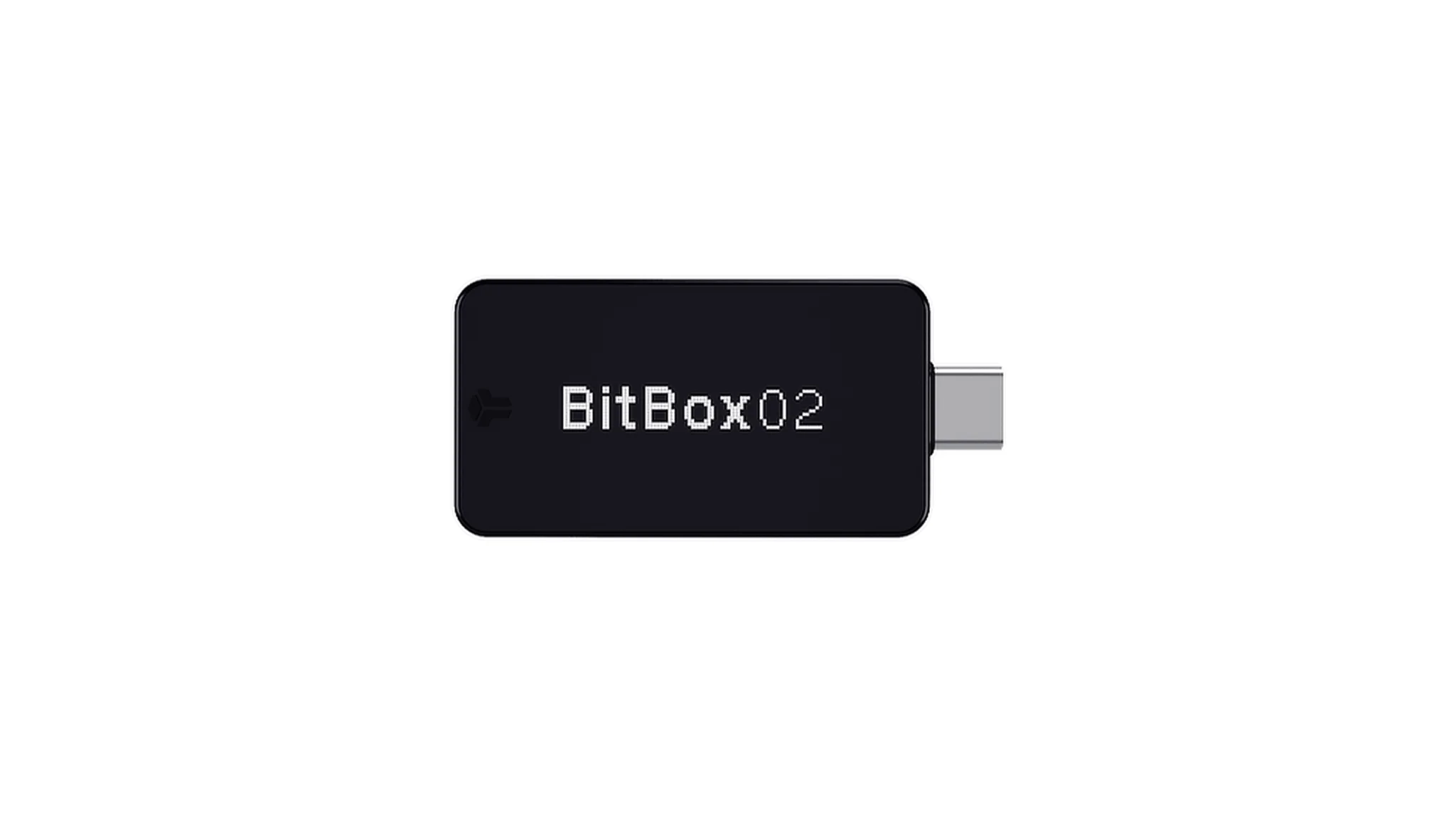 | 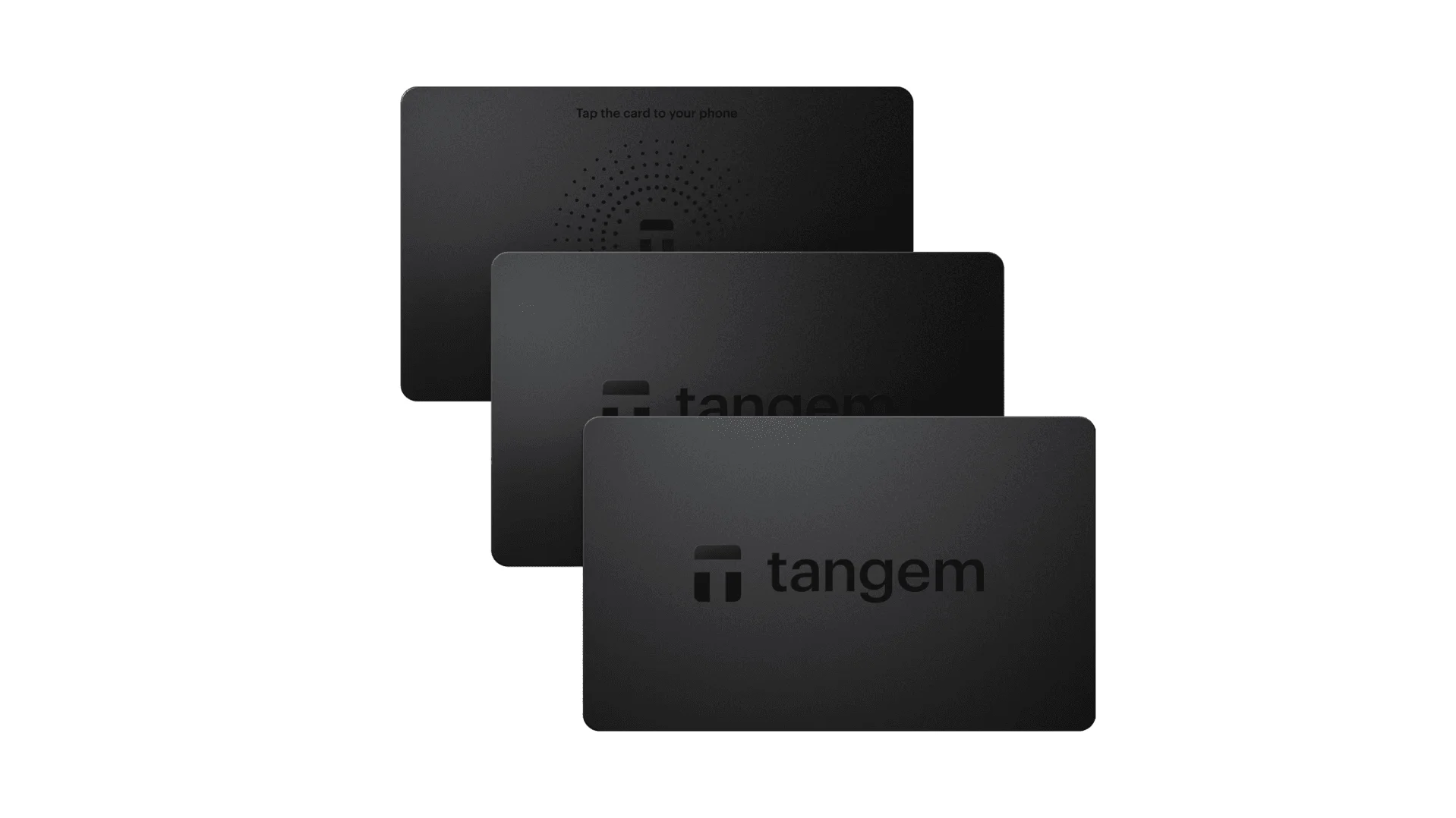 |
| Secure Element | ✅ EAL 6+ secure element | ✅ Four EAL 6+ (bank/passport-grade) secure elements | ✅ EAL6+ secure element | ✅ EAL 6+ secure element | ⚠️ EAL 5+ secure element, closed-source | ⚠️ Dual-chip (incl. ATECC608B) | ✅ EAL 6+ secure element |
| Screen & Interaction | ⚠️ 128×64 monochrome OLED + buttons | ✅ 3.5″ HD color touchscreen + camera scanning + Bluetooth + NFC | ✅ 3.7″ curved E-Ink touchscreen | ✅ 1.54″ color touchscreen (240×240) + haptics | ✅ 4.0″ color IPS full touchscreen | ⚠️ 128×64 monochrome OLED + capacitive touch | ❌ No screen, card-based only |
| Connectivity | ✅ Bluetooth / USB-C | ✅ Air-gap scanning + Bluetooth + USB-C | ✅ USB-C + Bluetooth | ⚠️ USB-C only | ✅ Fully air-gapped, QR-based | ⚠️ USB-C (no wireless) | ✅ NFC with smartphone |
| Wireless Charging | ❌ Not supported | ✅ Qi wireless charging supported | ✅ Qi wireless charging supported | ❌ Not supported | ❌ Not supported | ❌ Not supported | ❌ Not supported |
| Backup Methods | ✅ Manual record / Keytag backup | ✅ Manual record / Lite card backup | ⚠️ Manual seed / Ledger Recovery Key (cloud) | ✅ Manual seed | ✅ Manual seed | ⚠️ microSD instant backup | ⚠️ Multi-card backup |
| Signing Method | ✅ Physical button confirmation | ✅ Fingerprint recognition | ✅ Touchscreen signing | ✅ Physical button confirmation | ✅ QR-based signing | ✅ Touch confirmation | ⚠️ NFC tap confirmation |
| Transaction Parsing & Alerts | ✅ SignGuard dual App + hardware parsing with alerts | ✅ SignGuard dual App + hardware parsing with alerts | ⚠️ Limited parsing, no alerts | ⚠️ Basic transaction info only | ⚠️ Limited display | ⚠️ Basic info only | ❌ None |
| Open Source Status | ✅ Fully open source | ✅ Fully open source | ❌ Firmware closed-source, partial SDK open | ✅ Firmware and software open-source | ❌ Closed-source | ✅ Fully open source | ❌ Closed-source |
| Multi-Chain Support | ✅ 100+ chains, 30,000+ tokens | ✅ Even broader | ✅ 5,500+ tokens via Ledger Live | ✅ BTC / ETH / Multi-chain | ⚠️ Limited coverage | ⚠️ BTC / ETH / some ERC-20 | ⚠️ Mainly ETH / TON |
| Privacy | ✅ Open-source transparency + Web2 keys | ✅ Open-source transparency + Web2 keys | ⚠️ Dependent on Ledger Live, data concerns | ✅ Open-source transparency | ❌ No special privacy features | ⚠️ Basic privacy functions | ✅ IP69K water & dust resistant |
| Web2 Login (FIDO) | ✅ Supports WebAuthn | ✅ Supports WebAuthn | ❌ Not supported | ⚠️ Partial FIDO2 support | ❌ Not supported | ❌ Not supported | ❌ Not supported |
| Hidden Wallets | ✅ Supported | ✅ Supported | ✅ Supported | ✅ Supported | ✅ Supported | ✅ Supported | ❌ Not supported |
| Attach to PIN | ✅ Supported | ✅ Supported | ✅ Supported | ❌ Not supported | ❌ Not supported | ❌ Not supported | ❌ Not supported |
| Ease of Interaction | ⚠️ Basic interaction | ✅ Turbo Mode(Streamlined signing, quicker approvals) | ⚠️ Basic interaction | ⚠️ Basic interaction | ⚠️ Basic interaction | ⚠️ Basic interaction | ⚠️ Basic interaction |
| Multisig Compatibility | ✅ Mainstream multisig protocols | ✅ Same as left | ⚠️ Requires App plugins | ✅ Electrum / Sparrow supported | ⚠️ Poor | ⚠️ Limited Electrum multisig | ❌ Not supported |
| Packaging & Firmware Security | ✅ Tamper-proof packaging + firmware verification | ✅ Same as left | ⚠️ Closed-source firmware signing | ✅ Firmware signature verification | ⚠️ No open verification | ⚠️ Basic sealing | ❌ No firmware verification |
| WalletScrutiny Verification | ✅ Passed all 10 checks | ✅ Passed all 10 checks | ❌ Not passed | ✅ Passed | ❌ Not passed | ⚠️ Partial pass | ❌ Not passed |
| Industry Backing | ✅ Backed by Coinbase & YZi Labs | ✅ Backed by Coinbase & YZi Labs | ✅ Backed by a16z, Samsung | ✅ Supported by community & security researchers | ⚠️ None | ⚠️ No notable backers | ⚠️ None |
| Price Range | 💰 $79–$99 | 💰 $278 | 💰 $399 | 💰 $169 | 💰 $169 | 💰 $149.99 | 💰 $60–$90 (3-pack) |
Why OneKey hardware (OneKey Pro & Classic 1S) is an excellent choice for USDT
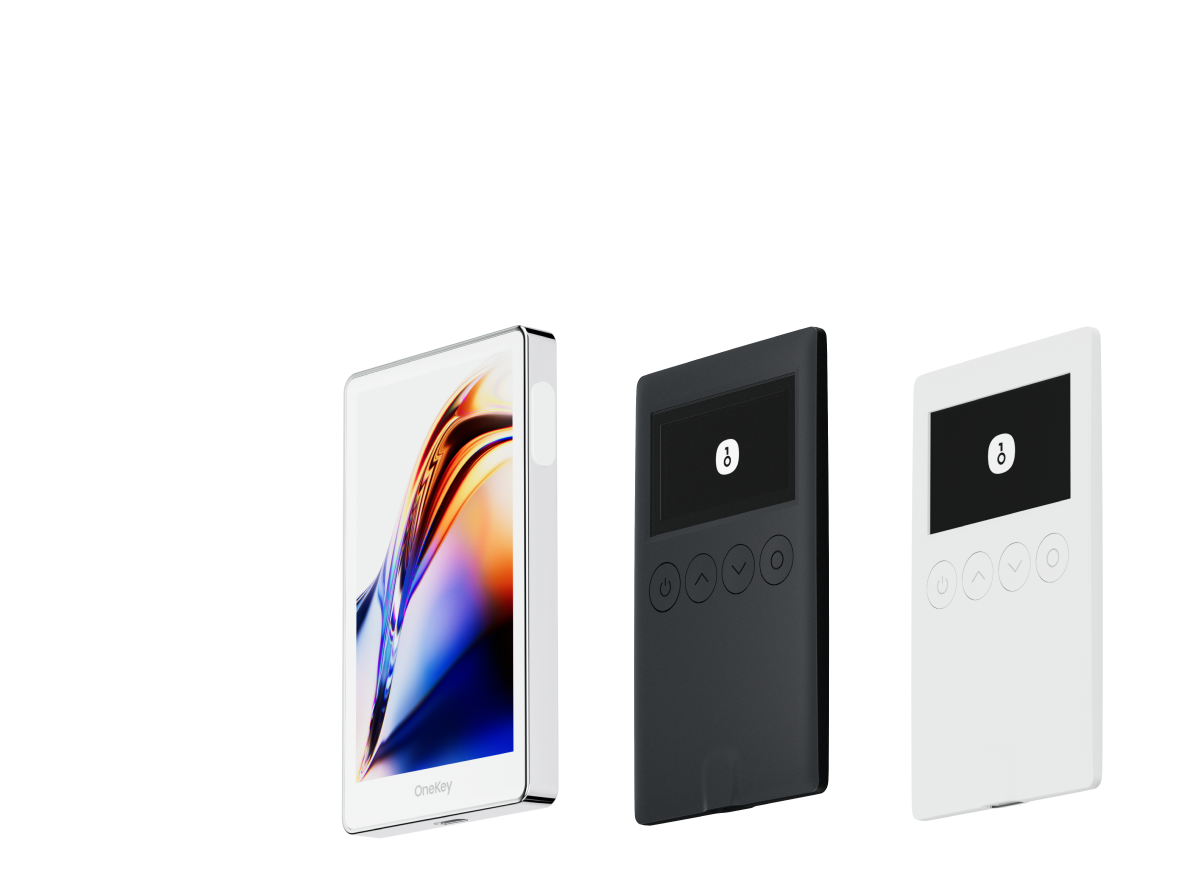
- Bank‑grade secure elements: OneKey devices advertise EAL 6+ secure elements, a high bar for hardware protections — important when protecting private keys for large USDT balances. (onekey.so)
- Clear transaction parsing at both App and device: OneKey’s SignGuard architecture parses transactions into readable fields in the App and independently verifies/ displays them on the hardware screen, preventing blind signing even if your host is compromised. This App+device dual‑parsing model is the main difference compared to many competitors. (help.onekey.so)
- Air‑gapped, QR‑based signing (Pro) and strong UX: the OneKey Pro supports air‑gapped signing and has a large touchscreen + camera for QR scanning — helpful when interacting with untrusted machines or moving USDT between unfamiliar chains. (onekey.so)
- Open source & verifiable attestation: OneKey publishes code and undergoes external reviews; independent checkers such as WalletScrutiny have run verifications on OneKey models. Open‑source tooling increases transparency for custodial integrity. (walletscrutiny.com)
Hardware competitors — notable weaknesses (what to watch for)
- Devices with limited parsing or closed firmware: hardware that cannot display clear, parsed transaction fields on the device screen (or that relies entirely on a companion app for parsing) increases blind‑signing risk. Many users mistakenly assume any hardware wallet prevents signing risks — but if the device lacks readable clear signing, attackers can still trick users via approvals. (cointelegraph.com)
- Closed firmware / opaque verification: some vendors still ship closed firmware and less transparent update processes; that reduces third‑party auditability and increases supply‑chain concerns. WalletScrutiny flags these differences. (walletscrutiny.com)
- Interaction friction: air‑gapped or QR‑only devices can be secure but harder to use for frequent USDT transfers (UX matters when you need to move funds on short notice). Choose a model that balances security and usability for your workflow. (onekey.so)
Practical security checklist for storing USDT
- Prefer hardware confirmed transactions: always verify the destinations and approval amounts on the hardware device screen. Clear parsing (App + device) is more reliable than hash‑only displays. (help.onekey.so)
- Use transfer whitelists & minimal approvals: whitelist trusted spender addresses and avoid “approve all” when interacting with dApps. If a DApp requires wide approvals, re-evaluate or use a limited‑approval approach. (help.onekey.so)
- Keep software updated: wallets (apps & device firmware) add parsing support and new chain methods frequently — stay current. (help.onekey.so)
- Migrate unsupported USDT chains carefully: Tether’s decisions to deprecate legacy chains in 2025 created migration requirements; follow official guidance before tokens on older chains are left in an “unsupported” status. (ethnews.com)
Industry context & recent dynamics that affect USDT holders (2025)
- Chain consolidation: in mid‑2025 Tether announced plans affecting legacy chains (Omni, BCH‑SLP, Kusama, EOS, Algorand), signaling the issuer’s focus on popular, performant networks (Ethereum, Tron, Solana, Layer‑2s). Wallets must make chain differences explicit to users to avoid frozen or unsupported holdings. (ethnews.com)
- Stablecoin regulatory spotlight: stablecoins are a regulatory focus in several jurisdictions; custodial practices and provenance of on‑chain tokens are now higher on institutional and retail user checklists — wallets that emphasize provenance, verification and transparent signing have an advantage. (reuters.com)
- Continued phishing evolution: attackers increasingly use complex contract calls and fake DApps to trick users into granting approvals; defenses that combine risk engines (GoPlus, Blockaid) with readable signing previews reduce this attack vector more effectively than simple signature prompts. (whitepaper.gopluslabs.io)
Deep dive: What is OneKey’s SignGuard and why it matters for USDT