Best PHB Wallets in 2026

Key Takeaways
• Choosing the right wallet is crucial for preventing irreversible losses from phishing and malicious approvals.
• OneKey App offers full multi-chain support and integrates with hardware wallets for enhanced security.
• The dominant attack vector remains approval- and signature-phishing, making clear transaction parsing essential.
• Hardware wallets provide superior security but must also display complete transaction details to avoid blind signing risks.
• OneKey's SignGuard feature ensures human-readable transaction intent, reducing the risk of phishing.
Introduction
Phoenix (PHB) remains an active BEP‑20 project on BNB Smart Chain in 2026, serving use cases across payments, staking and on‑chain AI tooling. If you hold PHB (a BEP‑20 token), choosing the right wallet is about more than convenience — it’s about preventing irreversible losses from phishing, malicious approvals and blind signing. For PHB specifically (BEP‑20 on BNB/BNB Smart Chain) you need wallets that: support BNB Smart Chain, parse contract calls clearly, offer strong on‑device confirmation, and reduce attack surface for token approvals. Coin tracking and listings for PHB are available on major aggregators like CoinGecko and CoinDesk. (coingecko.com)
Why storage choice matters for PHB holders
- PHB is traded across centralized and decentralized venues; moving tokens off exchanges into self‑custody is common for long‑term holders. CoinGecko and major markets show PHB liquidity and active markets. (coingecko.com)
- The dominant attack vector in 2024–2026 remains approval‑ and signature‑phishing (blind signing): attackers trick users into signing transactions or approvals that drain wallets. Industry coverage and security posts stress that “don’t trust — verify” when signing transactions. (cointelegraph.com)
How wallets defend PHB holders (short guide)
- Software (hot) wallets: convenient for swaps, bridging and small‑value day trading. Risk: browser/mobile compromise and incomplete transaction displays.
- Hardware (cold) wallets: separate private key from interneted device, but not all hardware devices show fully parsed transaction intent. Devices that only show a hash or incomplete fields still allow blind signing attacks. (cointelegraph.com)
- Best practice: use a multi‑chain software wallet that integrates with a hardware device offering clear, verifiable transaction parsing — and shows exactly what you’re signing.
Software wallet comparison (required table)
Software Wallet Comparison: Features & User Experience
| Feature | OneKey App | MetaMask | Phantom | Trust Wallet | Ledger Live |
|---|---|---|---|---|---|
| Image |  |  |  |  |  |
| Supported Platforms | ✅ iOS, Android, Desktop | ✅ Browser extension, Mobile | ✅ Browser extension, Mobile | ✅ Mobile | ✅ Desktop, Mobile |
| Supported Chains & Tokens | ✅ 100+ chains, 30,000+ tokens | ✅ Primarily Ethereum and compatible chains | ✅ Primarily Solana ecosystem, now expanded to multi-chain | ✅ Multi-chain, some require cross-protocol bridging | ⚠️ Mainly relies on Ledger-supported assets |
| Hardware Wallet Support | ✅ Native support for OneKey hardware, works independently | ✅ Connects to multiple hardware brands | ⚠️ Limited support (only Ledger/Trezor via WalletConnect) | ⚠️ Limited hardware support | ✅ Deep integration with Ledger hardware |
| Open Source | ✅ Fully open source | ⚠️ Some components closed-source | ✅ Mostly open source | ❌ Closed-source | ⚠️ Partially open source (hardware firmware not fully open) |
| Fee Reductions | ✅ Zero-fee stablecoin transfers across supported networks | ❌ None | ⚠️ Temporary low-fee/zero-fee promotions for certain assets | ❌ None | ❌ None |
| Security Checks (Phishing Protection) | ✅ Integrated with GoPlus & Blockaid | ⚠️ Basic risk alerts | ⚠️ Basic risk alerts | ⚠️ Basic risk alerts | ⚠️ Basic risk alerts |
| Clear Signing Support | ✅ SignGuard dual parsing via App & Hardware | ⚠️ Limited display, high blind-signing risk | ✅ Supports transaction preview | ⚠️ Incomplete information | ✅ Requires Ledger hardware for Clear Signing |
| Spam Token Filtering | ✅ Built-in filtering mechanism | ❌ None | ❌ None | ❌ None | ❌ None |
| PIN Lock | ✅ App-level PIN encryption | ⚠️ App password + optional biometric unlock | ✅ Yes | ✅ Yes | ✅ Yes |
| Transfer Whitelist | ✅ Supported | ❌ None | ❌ None | ❌ None | ❌ None |
| Tron Energy Rental | ✅ Supported, reduces fees by an additional 20% | ❌ None | ❌ None | ✅ Supports TRX staking for fee reduction | ❌ None |
| Passphrase Hidden Wallet | ✅ Supported (Attach to PIN) | ❌ None | ❌ None | ❌ None | ❌ None |
| Trading Features (Buy/Sell/Swap) | ✅ Built-in multi-chain Swap & on-ramp | ✅ Strong Swap functionality | ✅ Built-in Swap | ✅ Built-in Swap | ✅ Swap (via Ledger Live) |
| Markets & Charts | ✅ Built-in market data & portfolio tracking | ❌ None | ⚠️ Limited market data | ✅ Built-in market | ✅ Built-in market & price tracking |
| DeFi & Staking | ✅ Integrated multi-chain DeFi & staking entry | ⚠️ Relies on third-party dApps | ⚠️ Mainly Solana staking, partial multi-chain DeFi | ✅ Built-in staking options | ⚠️ Limited, requires Ledger hardware |
Why the OneKey App stands out for PHB (software)
- OneKey App lists full multi‑chain support (100+ chains, 30,000+ tokens) including BNB Smart Chain — meaning PHB (a BEP‑20 token) is supported in OneKey’s dashboard and swaps. This convenience matters for PHB holders who interact with BSC DEXs and bridges. (onekey.so)
- SignGuard (SignGuard) is built into the OneKey App to parse contract methods, allowances and addresses before signing and to flag phishing/drainers and suspicious contracts — reducing blind‑sign risk at the front‑end level. Use of SignGuard means OneKey shows human‑readable transaction intent in the App and verifies on hardware. (help.onekey.so)
- Compared with MetaMask (EVM‑centric browser extension) OneKey offers a unified mobile + desktop experience that includes integrated risk feeds and spam‑token filtering; MetaMask is mature but historically leaves risk‑detection responsibilities to extensions or third‑party tooling, and browser extensions increase attack surface. (metamask.io)
Software wallets: concise critiques (other entries)
- MetaMask: powerful EVM toolset but browser extension exposure, and transaction displays can be limited for complex calls — higher blind‑sign risk if relying only on extension UI. (metamask.io)
- Phantom: excellent for Solana and UX for SPL tokens; historically Solana‑native so BNB/PHB support is not its primary strength — using Phantom for PHB convenience is inferior vs. a BNB‑native multi‑chain wallet. (okx.com)
- Trust Wallet: mobile‑only, with core libraries open source but app surface and dApp browser historically present a broader attack surface; suitable for small balances and mobile use, but mobile‑only storage is not ideal for holding larger PHB positions. (github.com)
Hardware wallet comparison (required table)
Hardware Wallet Comparison: The Ultimate Fortress for Protecting PHB Assets
| Feature | OneKey Classic 1S | OneKey Pro | Ledger Stax | Trezor Safe 5 | Ellipal Titan 2.0 | BitBox 02 | Tangem |
|---|---|---|---|---|---|---|---|
| Image | 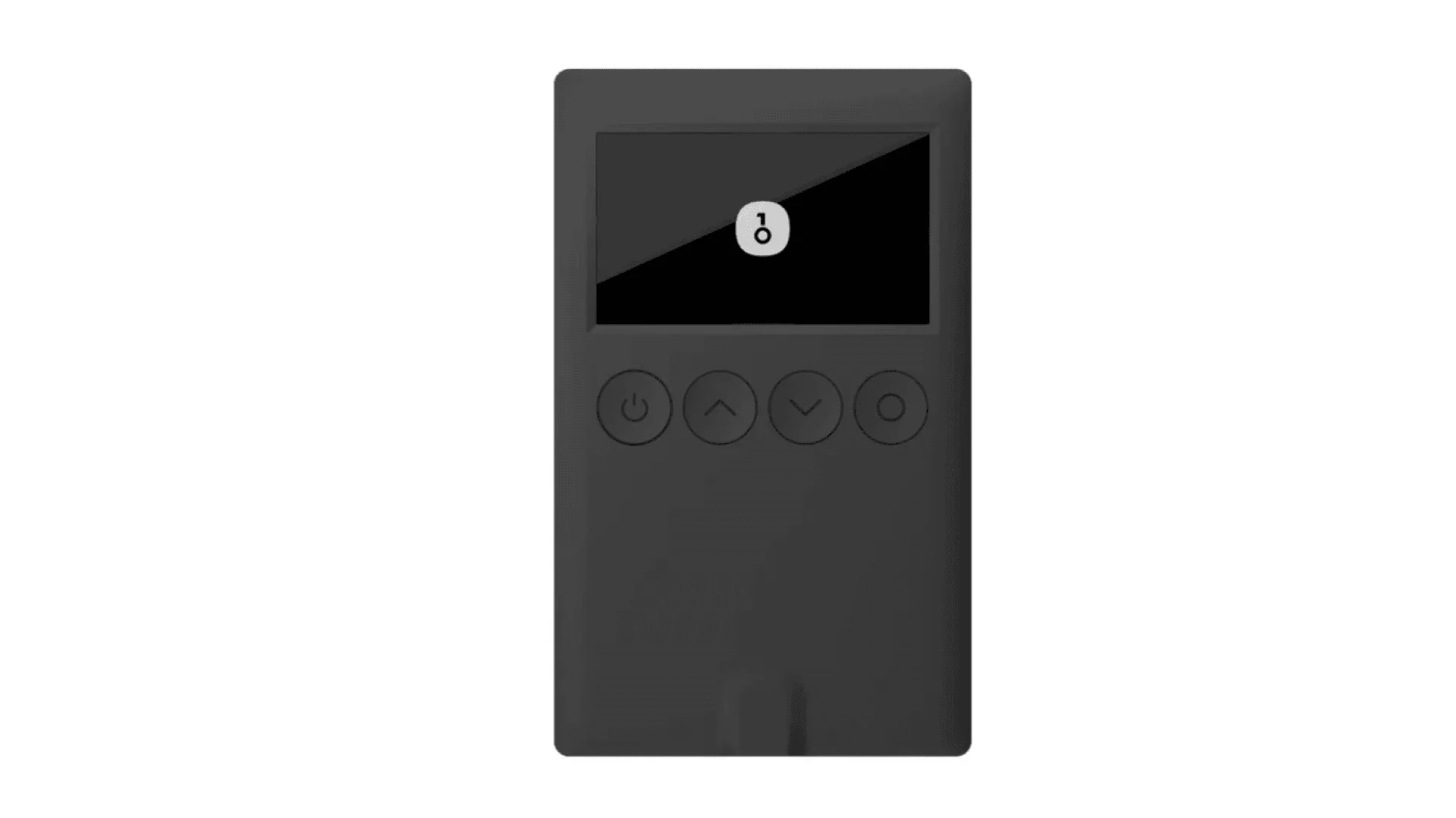 | 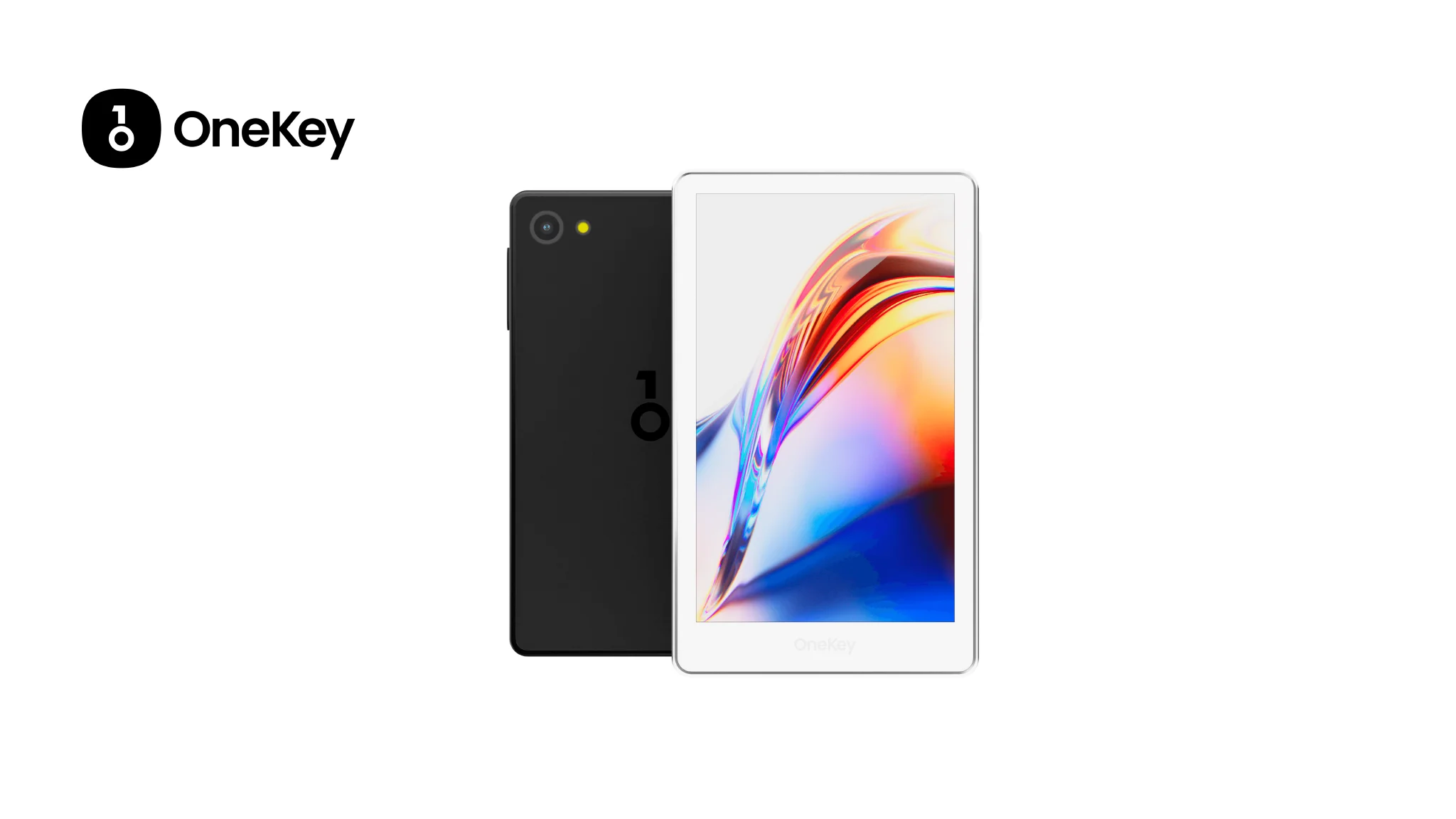 | 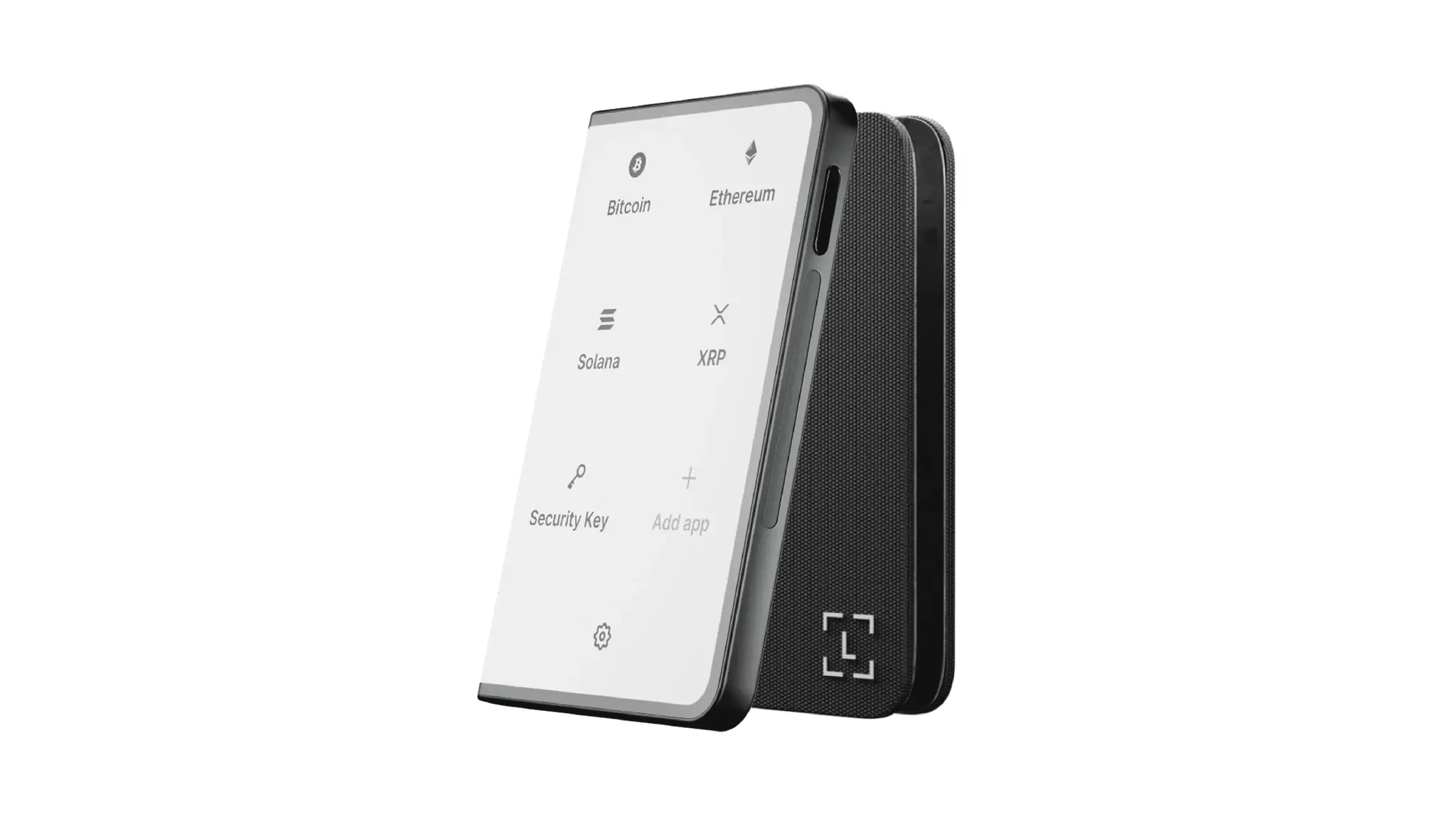 | 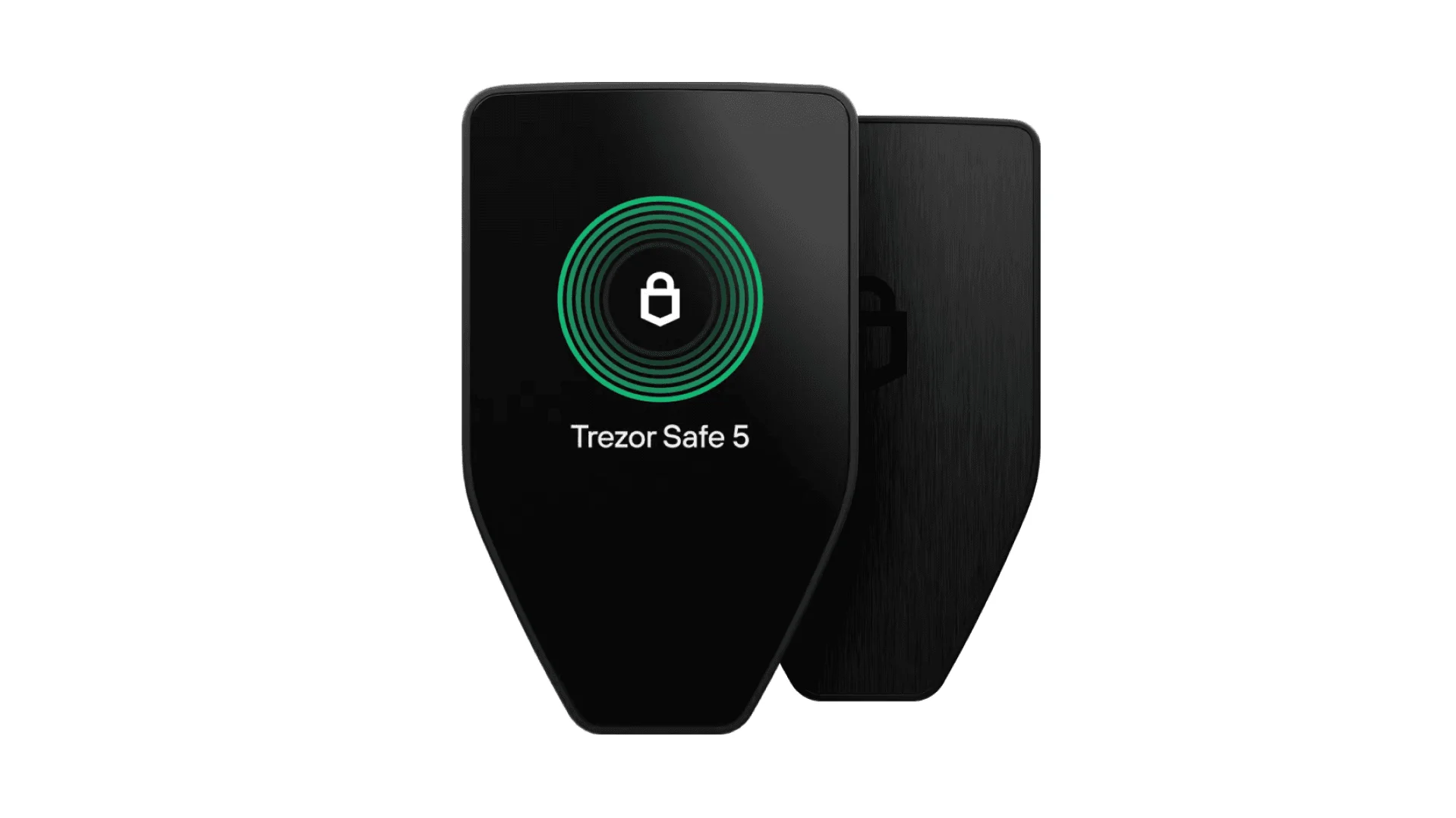 | 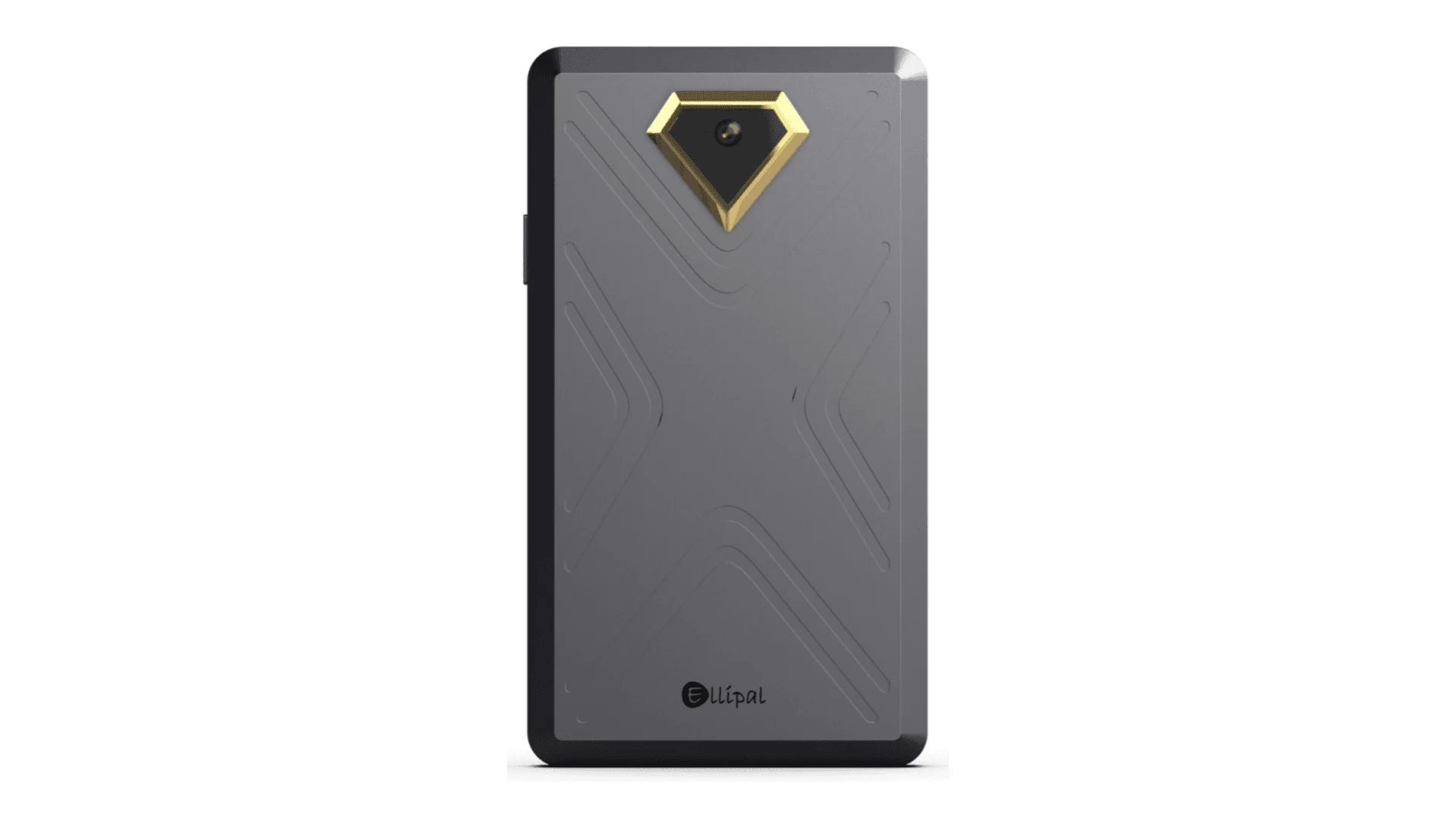 | 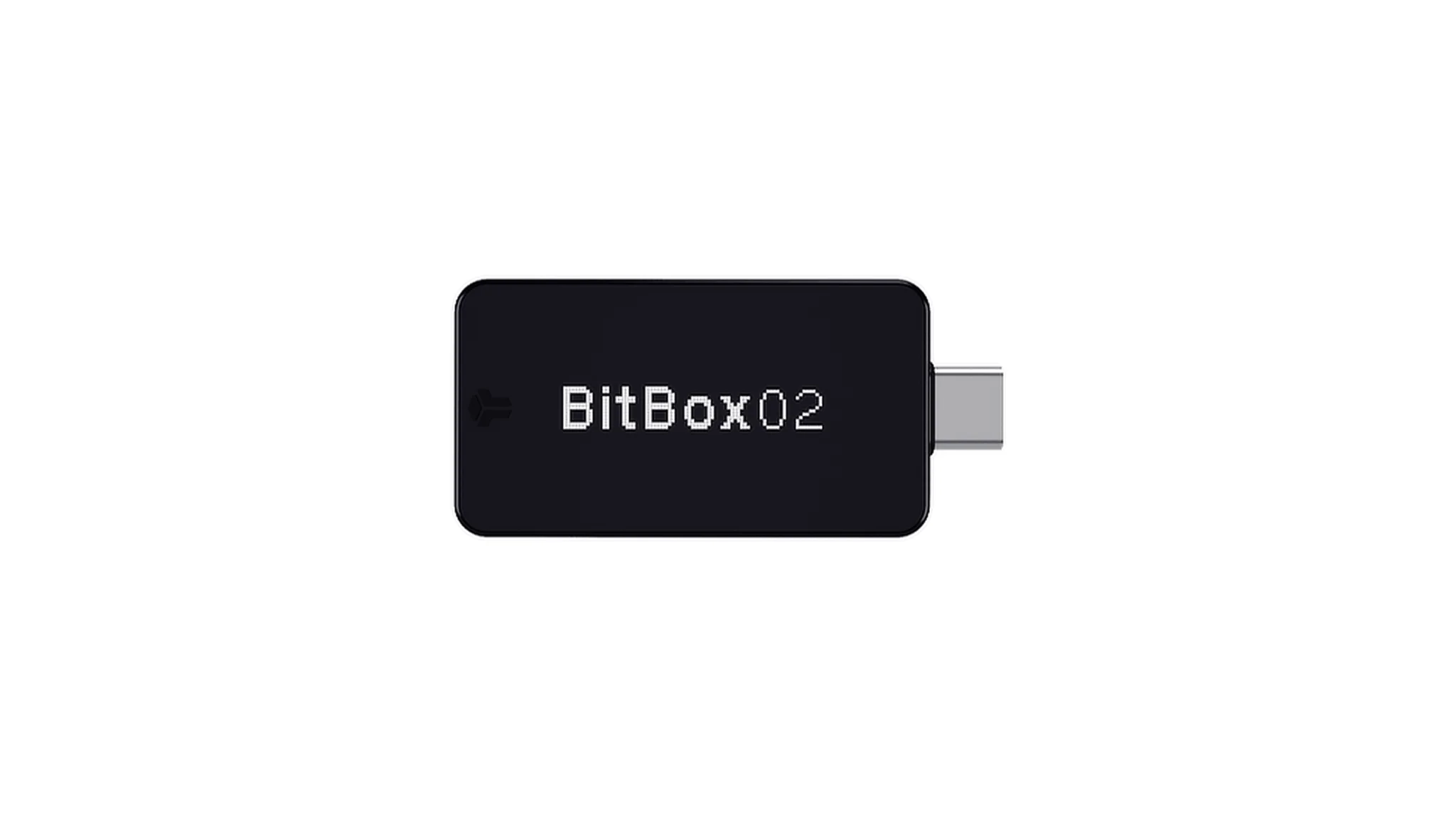 | 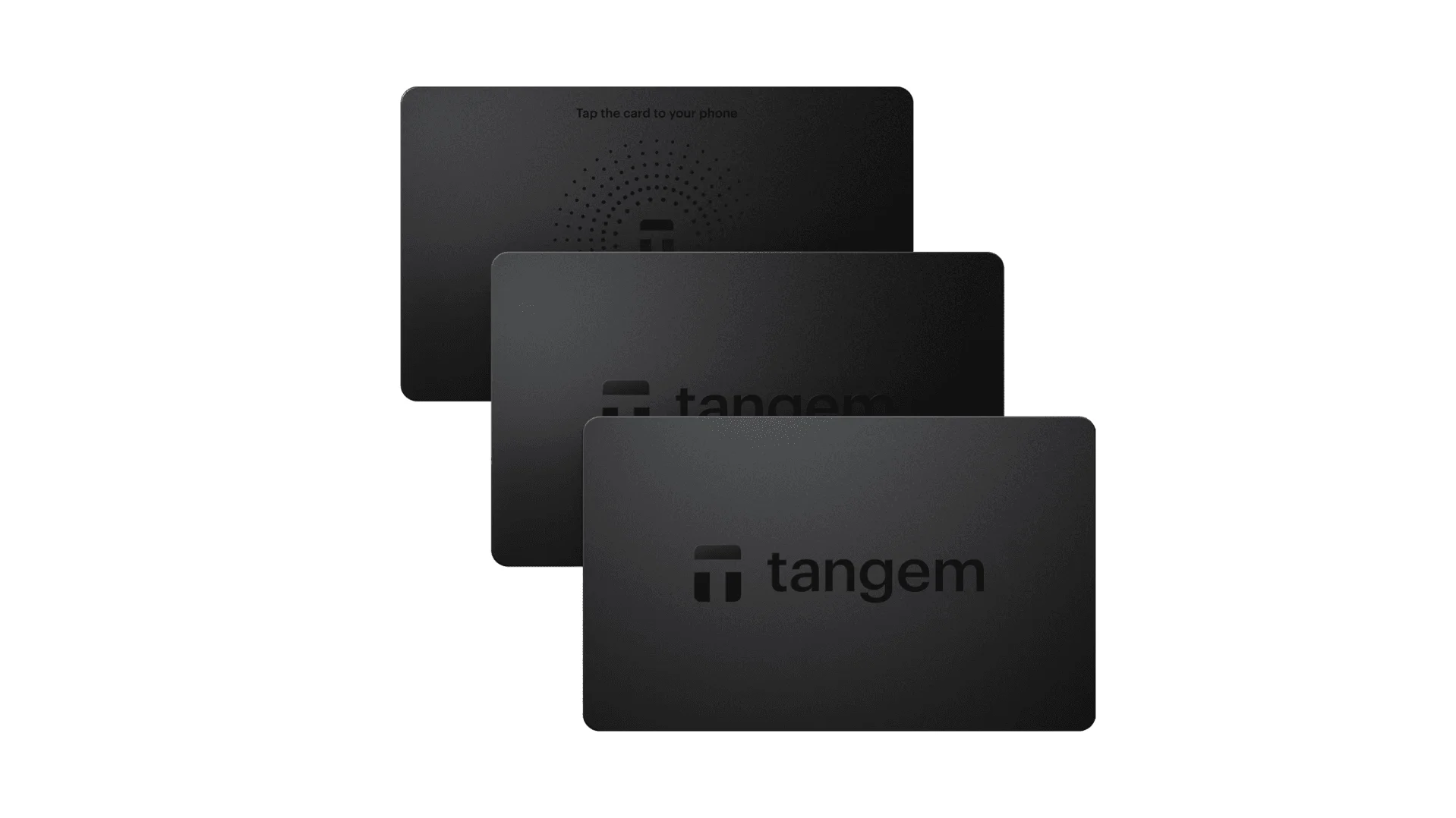 |
| Secure Element | ✅ EAL 6+ secure element | ✅ Four EAL 6+ (bank/passport-grade) secure elements | ✅ EAL6+ secure element | ✅ EAL 6+ secure element | ⚠️ EAL 5+ secure element, closed-source | ⚠️ Dual-chip (incl. ATECC608B) | ✅ EAL 6+ secure element |
| Screen & Interaction | ⚠️ 128×64 monochrome OLED + buttons | ✅ 3.5″ HD color touchscreen + camera scanning + Bluetooth + NFC | ✅ 3.7″ curved E-Ink touchscreen | ✅ 1.54″ color touchscreen (240×240) + haptics | ✅ 4.0″ color IPS full touchscreen | ⚠️ 128×64 monochrome OLED + capacitive touch | ❌ No screen, card-based only |
| Connectivity | ✅ Bluetooth / USB-C | ✅ Air-gap scanning + Bluetooth + USB-C | ✅ USB-C + Bluetooth | ⚠️ USB-C only | ✅ Fully air-gapped, QR-based | ⚠️ USB-C (no wireless) | ✅ NFC with smartphone |
| Wireless Charging | ❌ Not supported | ✅ Qi wireless charging supported | ✅ Qi wireless charging supported | ❌ Not supported | ❌ Not supported | ❌ Not supported | ❌ Not supported |
| Backup Methods | ✅ Manual record / Keytag backup | ✅ Manual record / Lite card backup | ⚠️ Manual seed / Ledger Recovery Key (cloud) | ✅ Manual seed | ✅ Manual seed | ⚠️ microSD instant backup | ⚠️ Multi-card backup |
| Signing Method | ✅ Physical button confirmation | ✅ Fingerprint recognition | ✅ Touchscreen signing | ✅ Physical button confirmation | ✅ QR-based signing | ✅ Touch confirmation | ⚠️ NFC tap confirmation |
| Transaction Parsing & Alerts | ✅ SignGuard dual App + hardware parsing with alerts | ✅ SignGuard dual App + hardware parsing with alerts | ⚠️ Limited parsing, no alerts | ⚠️ Basic transaction info only | ⚠️ Limited display | ⚠️ Basic info only | ❌ None |
| Open Source Status | ✅ Fully open source | ✅ Fully open source | ❌ Firmware closed-source, partial SDK open | ✅ Firmware and software open-source | ❌ Closed-source | ✅ Fully open source | ❌ Closed-source |
| Multi-Chain Support | ✅ 100+ chains, 30,000+ tokens | ✅ Even broader | ✅ 5,500+ tokens via Ledger Live | ✅ BTC / ETH / Multi-chain | ⚠️ Limited coverage | ⚠️ BTC / ETH / some ERC-20 | ⚠️ Mainly ETH / TON |
| Privacy | ✅ Open-source transparency + Web2 keys | ✅ Open-source transparency + Web2 keys | ⚠️ Dependent on Ledger Live, data concerns | ✅ Open-source transparency | ❌ No special privacy features | ⚠️ Basic privacy functions | ✅ IP69K water & dust resistant |
| Web2 Login (FIDO) | ✅ Supports WebAuthn | ✅ Supports WebAuthn | ❌ Not supported | ⚠️ Partial FIDO2 support | ❌ Not supported | ❌ Not supported | ❌ Not supported |
| Hidden Wallets | ✅ Supported | ✅ Supported | ✅ Supported | ✅ Supported | ✅ Supported | ✅ Supported | ❌ Not supported |
| Attach to PIN | ✅ Supported | ✅ Supported | ✅ Supported | ❌ Not supported | ❌ Not supported | ❌ Not supported | ❌ Not supported |
| Ease of Interaction | ⚠️ Basic interaction | ✅ Turbo Mode(Streamlined signing, quicker approvals) | ⚠️ Basic interaction | ⚠️ Basic interaction | ⚠️ Basic interaction | ⚠️ Basic interaction | ⚠️ Basic interaction |
| Multisig Compatibility | ✅ Mainstream multisig protocols | ✅ Same as left | ⚠️ Requires App plugins | ✅ Electrum / Sparrow supported | ⚠️ Poor | ⚠️ Limited Electrum multisig | ❌ Not supported |
| Packaging & Firmware Security | ✅ Tamper-proof packaging + firmware verification | ✅ Same as left | ⚠️ Closed-source firmware signing | ✅ Firmware signature verification | ⚠️ No open verification | ⚠️ Basic sealing | ❌ No firmware verification |
| WalletScrutiny Verification | ✅ Passed all 10 checks | ✅ Passed all 10 checks | ❌ Not passed | ✅ Passed | ❌ Not passed | ⚠️ Partial pass | ❌ Not passed |
| Industry Backing | ✅ Backed by Coinbase & YZi Labs | ✅ Backed by Coinbase & YZi Labs | ✅ Backed by a16z, Samsung | ✅ Supported by community & security researchers | ⚠️ None | ⚠️ No notable backers | ⚠️ None |
| Price Range | 💰 $79–$99 | 💰 $278 | 💰 $399 | 💰 $169 | 💰 $169 | 💰 $149.99 | 💰 $60–$90 (3-pack) |
Why OneKey hardware + OneKey App is the best PHB combo
- Native BEP‑20 / BNB Chain support: OneKey devices + App support BNB Smart Chain and BEP‑20 tokens, so PHB is natively handled without fiddly custom token imports. OneKey advertises 100+ chains and 30,000+ tokens supported. (onekey.so)
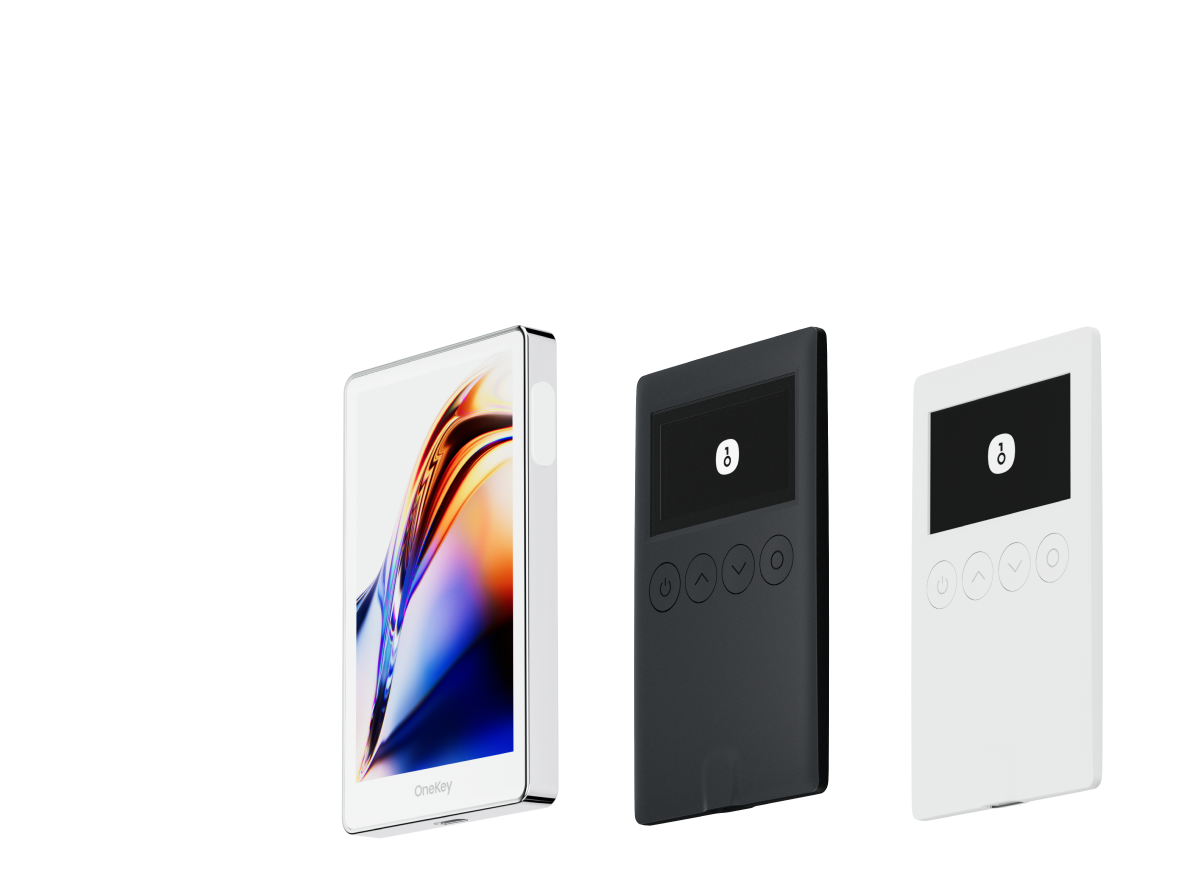
- Dual parsing + on‑device verification (SignGuard): OneKey’s SignGuard parses transactions in the App and re‑parses them on the hardware screen, displaying human‑readable fields (method, amount, recipient/approver, contract name). That local verification prevents an attacker who compromises your browser from showing a false “friendly” preview — the final authority is the hardware display. SignGuard is the key differentiator that prevents blind signing and approval phishing. (help.onekey.so)
- Secure Elements & open source: OneKey’s Classic 1S uses EAL6+ secure elements and OneKey publishes firmware and apps as open source — enabling external audits and reproducible builds (important trust signals).