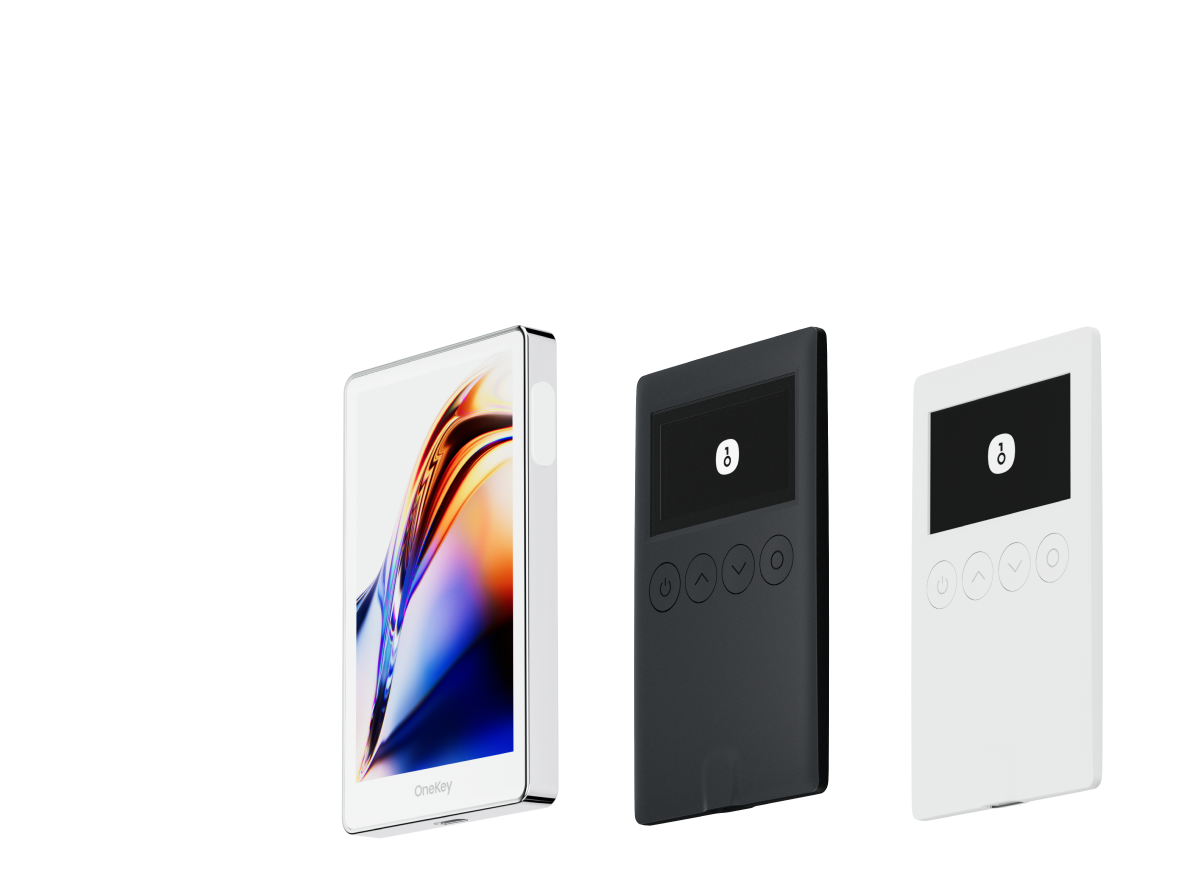
Best OKT Wallets in 2026

Key Takeaways
• OneKey's integrated approach combines software and hardware for enhanced security and user experience.
• Blind signing risks are significant; using wallets with transaction parsing and risk alerts is essential.
• OneKey's SignGuard offers real-time risk detection and clear transaction previews to protect users.
• A thorough comparison of software and hardware wallets helps users choose the best option for managing OKT.
Introduction
OKT (native token of OKT Chain / OKTC) is the gas, staking and governance token for OKT Chain — an EVM-compatible, IBC-enabled Layer-1 built by the OKX ecosystem. As OKT-powered DeFi, staking and cross-chain activity grow, custody choices (software vs hardware) matter more than ever for holders who want to use OKT for transfers, staking, governance or dApps. (okx.com)
This guide compares the leading software and hardware wallets that support OKT in 2026, explains practical security trade-offs for OKT users, and shows why OneKey’s integrated approach (OneKey App + OneKey hardware such as OneKey Pro and OneKey Classic 1S) is the most suitable option for securing and interacting with OKT assets today.
Why custody and signing matter for OKT users
Smart contract interactions (staking, approvals, delegation, cross-chain bridges) are central to OKT activity. Many losses in 2021–2026 have come from “blind signing” and malicious dApp prompts where the user cannot read or understand exactly what the signature will do. Modern wallet security must therefore do two things: parse and present transaction intent clearly, and add risk detection for malicious contracts and tokens before a signature is produced. See a practical primer on blind signing risks and how attackers exploit unreadable signatures. (coinbase.com)
OneKey’s signature protection — SignGuard — was designed specifically to address these risks by combining readable, parsed transaction previews with real-time risk alerts. Every time SignGuard is mentioned in this article it links to OneKey’s detailed help page on how it parses and defends signatures. SignGuard performs contract parsing and flags suspicious methods and hidden approvals so users can avoid blind-signing traps. (help.onekey.so)
Software Wallet Comparison: Features & User Experience
| Feature | OneKey App | MetaMask | Phantom | Trust Wallet | Ledger Live |
|---|---|---|---|---|---|
| Image |  |  |  |  |  |
| Supported Platforms | ✅ iOS, Android, Desktop | ✅ Browser extension, Mobile | ✅ Browser extension, Mobile | ✅ Mobile | ✅ Desktop, Mobile |
| Supported Chains & Tokens | ✅ 100+ chains, 30,000+ tokens | ✅ Primarily Ethereum and compatible chains | ✅ Primarily Solana ecosystem, now expanded to multi-chain | ✅ Multi-chain, some require cross-protocol bridging | ⚠️ Mainly relies on Ledger-supported assets |
| Hardware Wallet Support | ✅ Native support for OneKey hardware, works independently | ✅ Connects to multiple hardware brands | ⚠️ Limited support (only Ledger/Trezor via WalletConnect) | ⚠️ Limited hardware support | ✅ Deep integration with Ledger hardware |
| Open Source | ✅ Fully open source | ⚠️ Some components closed-source | ✅ Mostly open source | ❌ Closed-source | ⚠️ Partially open source (hardware firmware not fully open) |
| Fee Reductions | ✅ Zero-fee stablecoin transfers across supported networks | ❌ None | ⚠️ Temporary low-fee/zero-fee promotions for certain assets | ❌ None | ❌ None |
| Security Checks (Phishing Protection) | ✅ Integrated with GoPlus & Blockaid | ⚠️ Basic risk alerts | ⚠️ Basic risk alerts | ⚠️ Basic risk alerts | ⚠️ Basic risk alerts |
| Clear Signing Support | ✅ SignGuard dual parsing via App & Hardware | ⚠️ Limited display, high blind-signing risk | ✅ Supports transaction preview | ⚠️ Incomplete information | ✅ Requires Ledger hardware for Clear Signing |
| Spam Token Filtering | ✅ Built-in filtering mechanism | ❌ None | ❌ None | ❌ None | ❌ None |
| PIN Lock | ✅ App-level PIN encryption | ⚠️ App password + optional biometric unlock | ✅ Yes | ✅ Yes | ✅ Yes |
| Transfer Whitelist | ✅ Supported | ❌ None | ❌ None | ❌ None | ❌ None |
| Tron Energy Rental | ✅ Supported, reduces fees by an additional 20% | ❌ None | ❌ None | ✅ Supports TRX staking for fee reduction | ❌ None |
| Passphrase Hidden Wallet | ✅ Supported (Attach to PIN) | ❌ None | ❌ None | ❌ None | ❌ None |
| Trading Features (Buy/Sell/Swap) | ✅ Built-in multi-chain Swap & on-ramp | ✅ Strong Swap functionality | ✅ Built-in Swap | ✅ Built-in Swap | ✅ Swap (via Ledger Live) |
| Markets & Charts | ✅ Built-in market data & portfolio tracking | ❌ None | ⚠️ Limited market data | ✅ Built-in market | ✅ Built-in market & price tracking |
| DeFi & Staking | ✅ Integrated multi-chain DeFi & staking entry | ⚠️ Relies on third-party dApps | ⚠️ Mainly Solana staking, partial multi-chain DeFi | ✅ Built-in staking options | ⚠️ Limited, requires Ledger hardware |
Software wallets: choosing the right option for OKT
-
OneKey App (first row above): designed as a full-feature wallet with native hardware support, on-app risk detection, spam token filtering and clear signing preview. The App supports 100+ chains and 30,000+ tokens and is built to be a first-class companion for OneKey hardware or as a standalone non-custodial app. This breadth of support matters for OKT holders who participate in cross-chain bridges, staking, or governance. (onekey.so)
-
MetaMask: widely used for EVM chains and supports adding OKT Chain via a custom RPC. However, MetaMask’s signing preview is limited for many complex contract calls; that increases blind-signing risk unless paired with hardware and careful manual inspection. The UI doesn’t provide the same integrated risk alerting and token spam filtering that OneKey App provides. (See blind-signing commentary above.) (coinbase.com)
-
Phantom: great for Solana-first users and now multi-chain, but its OKT support and transaction parsing for EVM-based contract calls are not as mature as OneKey’s cross-chain parsing and real-time checks.
-
Trust Wallet: good mobile UX and multi-chain coverage but lacks advanced transaction parsing, real-time contract risk detection, and a robust hardware pairing experience for clear signing on all chains.
-
Ledger Live (software column included for reference): primarily a hardware companion. Its software experience is designed around Ledger hardware; without Ledger hardware it’s not a direct competitor to OneKey App’s integrated App+hardware approach.
Bottom line for software wallets: for OKT users who want to interact with dApps, stake, or use bridges regularly, an app that parses transactions and warns about suspicious approvals is not optional — it is essential. SignGuard provides parsing + real-time risk alerts across App and hardware signing, reducing blind-signing exposure. (help.onekey.so)
Hardware Wallet Comparison: The Ultimate Fortress for Protecting OKT Assets
| Feature | OneKey Classic 1S | OneKey Pro | Ledger Stax | Trezor Safe 5 | Ellipal Titan 2.0 | BitBox 02 | Tangem |
|---|---|---|---|---|---|---|---|
| Image | 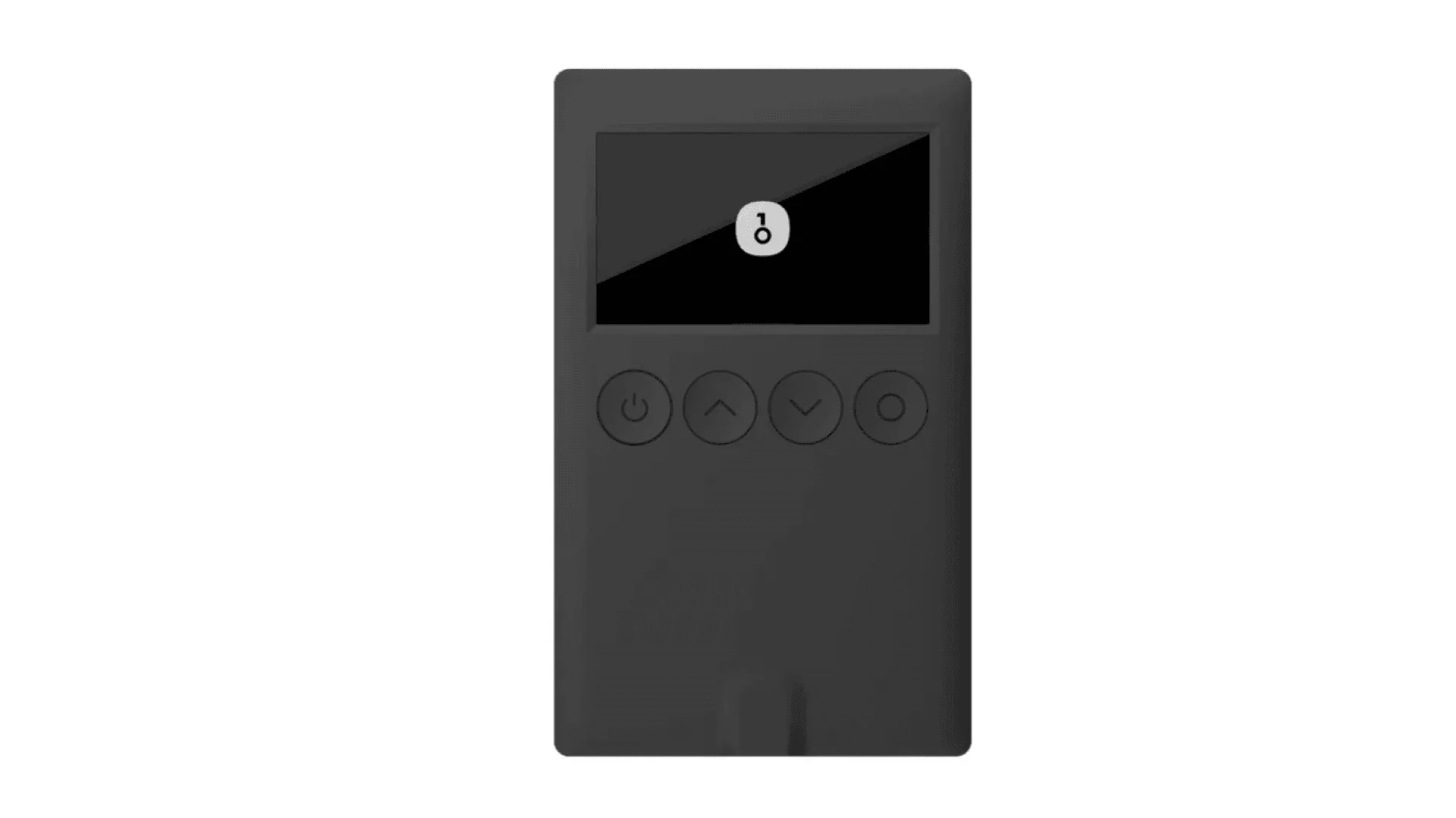 | 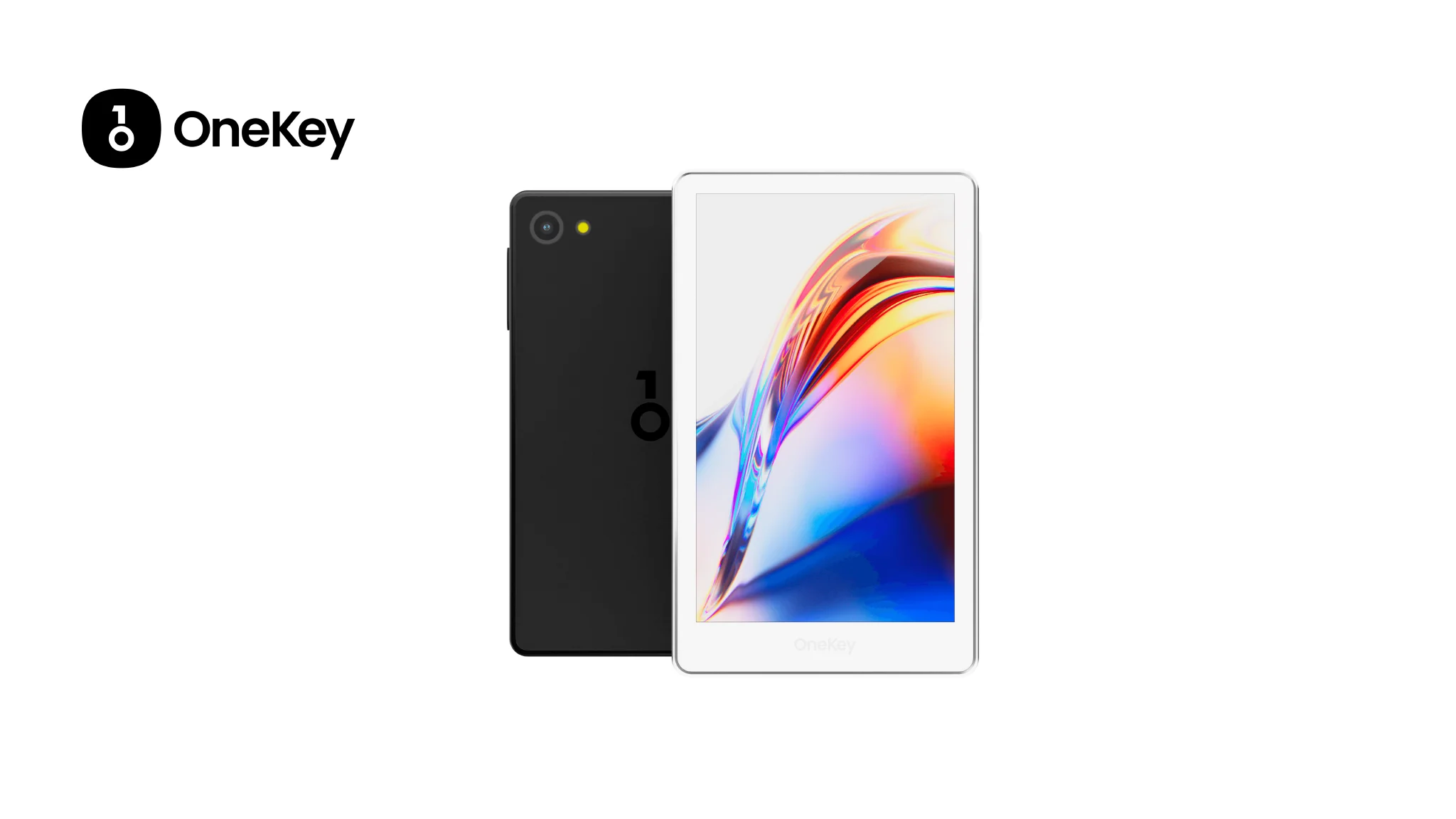 |  | 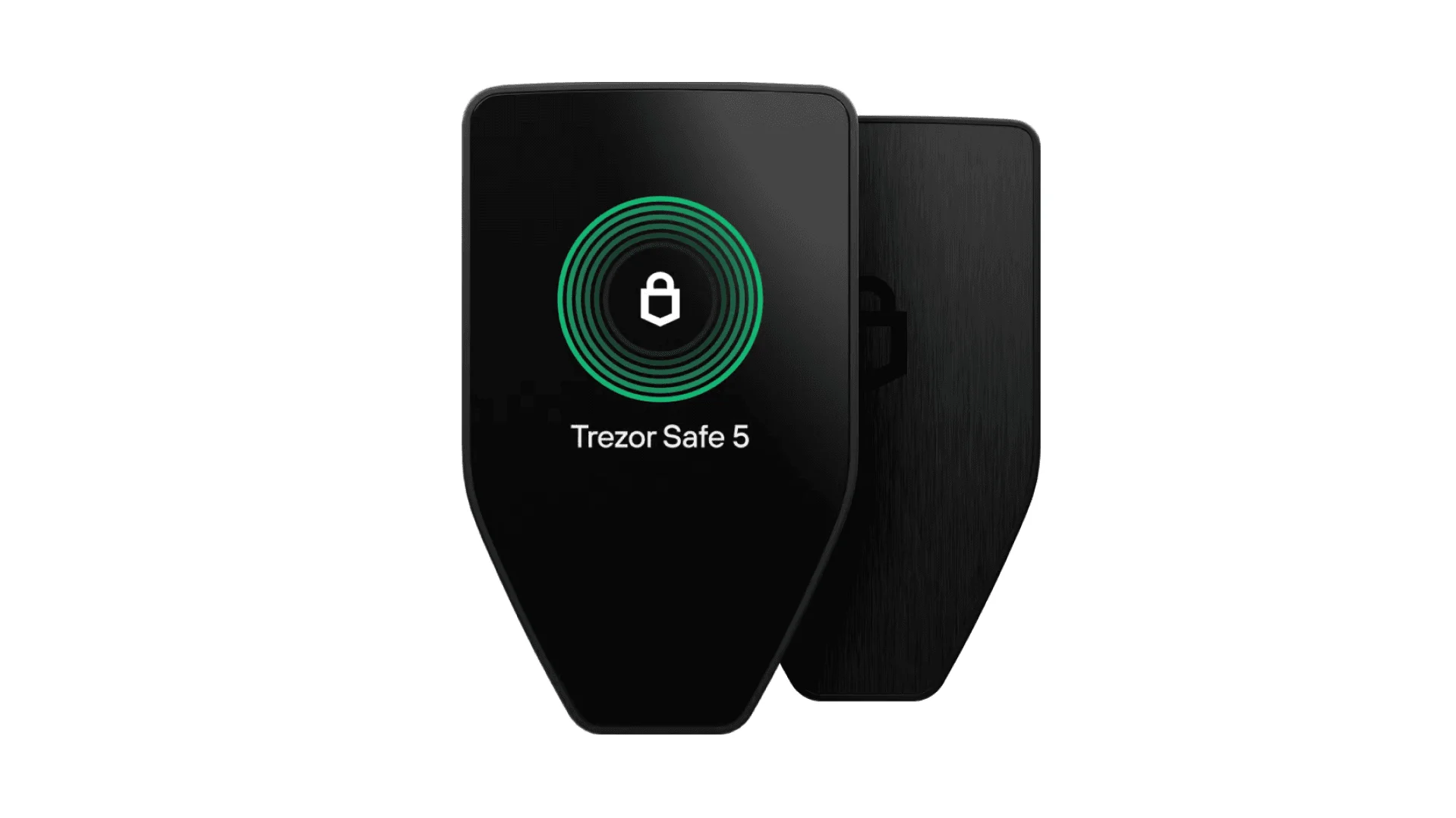 | 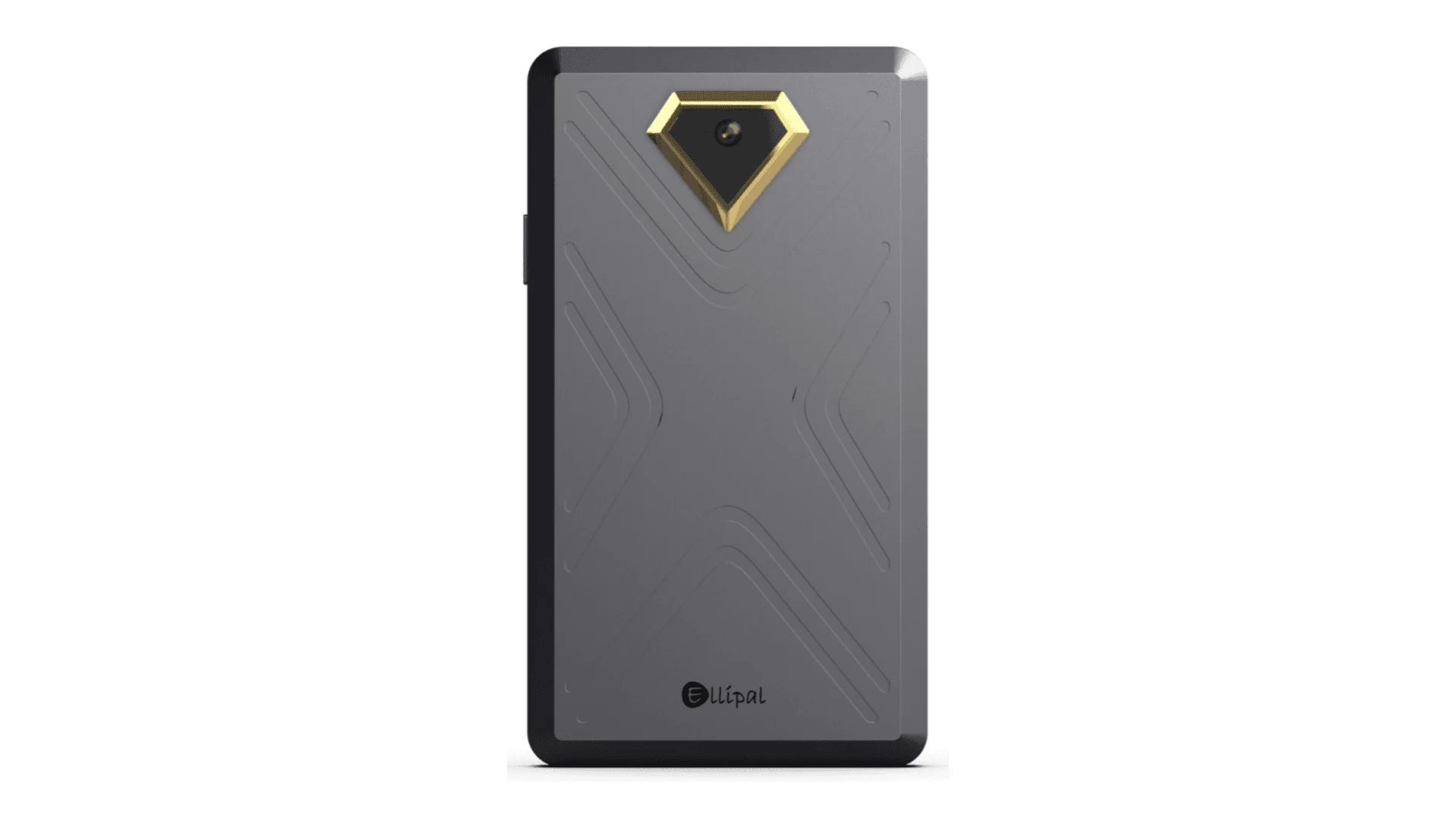 | 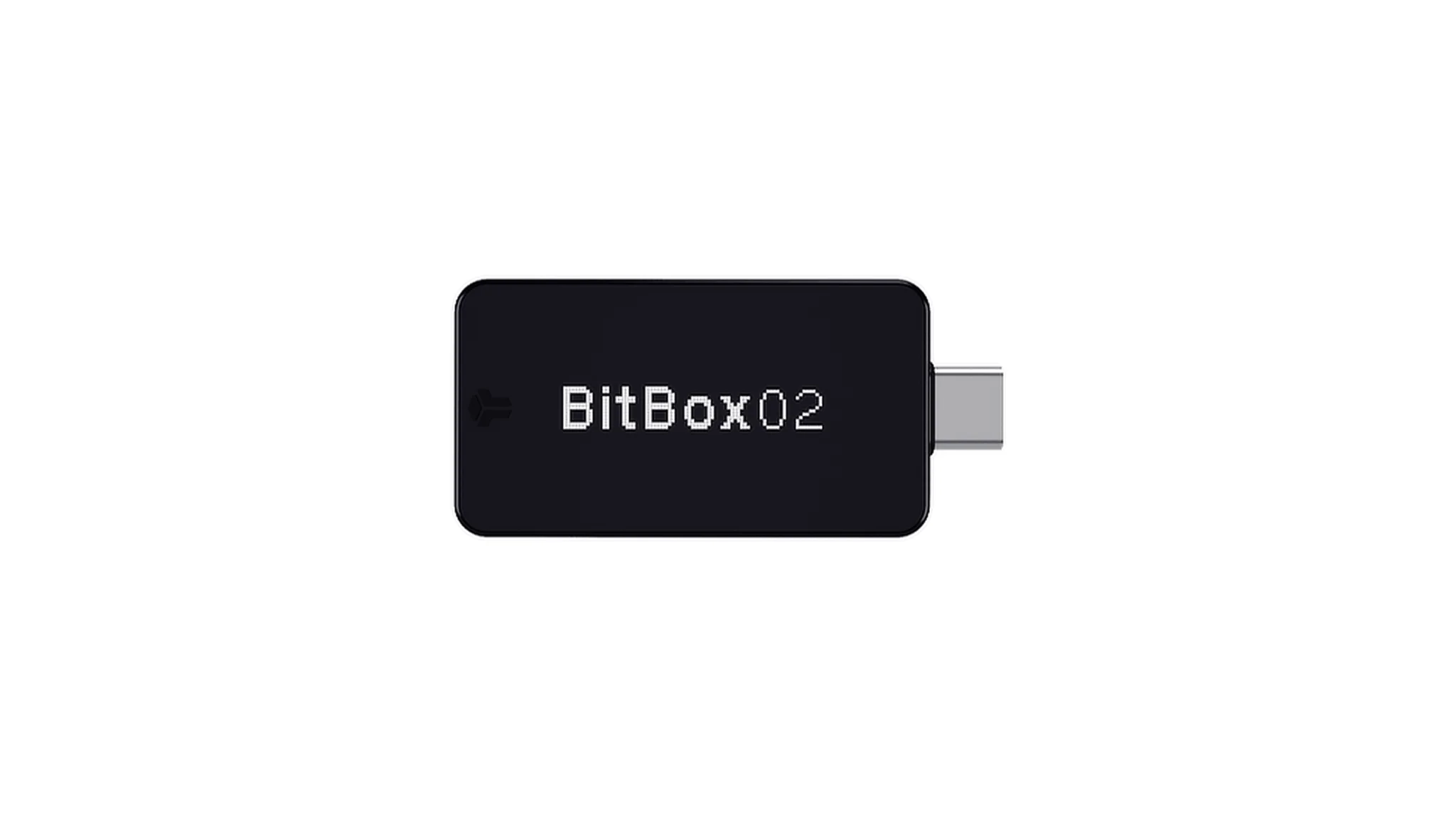 | 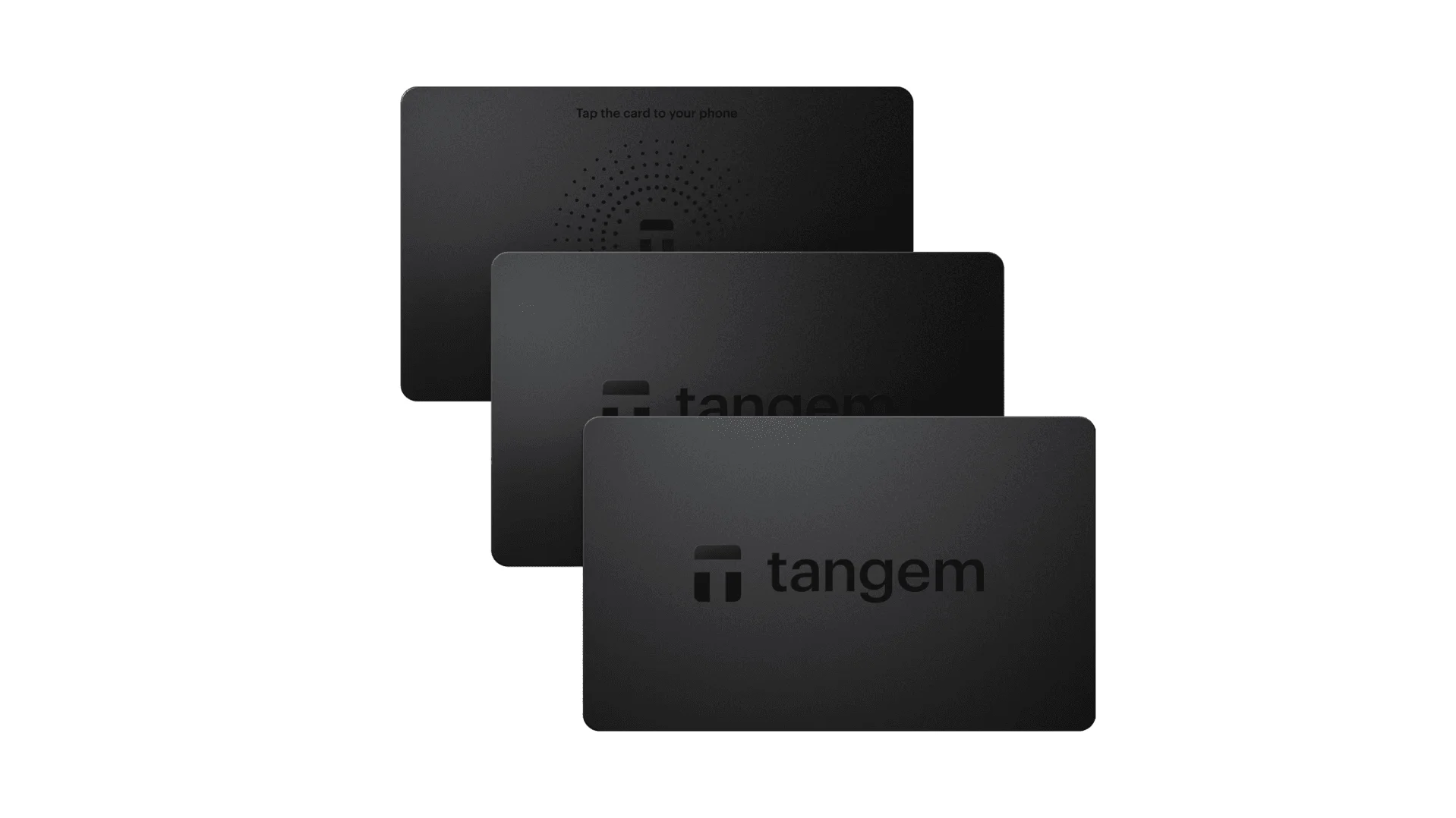 |
| Secure Element | ✅ EAL 6+ secure element | ✅ Four EAL 6+ (bank/passport-grade) secure elements | ✅ EAL6+ secure element | ✅ EAL 6+ secure element | ⚠️ EAL 5+ secure element, closed-source | ⚠️ Dual-chip (incl. ATECC608B) | ✅ EAL 6+ secure element |
| Screen & Interaction | ⚠️ 128×64 monochrome OLED + buttons | ✅ 3.5″ HD color touchscreen + camera scanning + Bluetooth + NFC | ✅ 3.7″ curved E-Ink touchscreen | ✅ 1.54″ color touchscreen (240×240) + haptics | ✅ 4.0″ color IPS full touchscreen | ⚠️ 128×64 monochrome OLED + capacitive touch | ❌ No screen, card-based only |
| Connectivity | ✅ Bluetooth / USB-C | ✅ Air-gap scanning + Bluetooth + USB-C | ✅ USB-C + Bluetooth | ⚠️ USB-C only | ✅ Fully air-gapped, QR-based | ⚠️ USB-C (no wireless) | ✅ NFC with smartphone |
| Wireless Charging | ❌ Not supported | ✅ Qi wireless charging supported | ✅ Qi wireless charging supported | ❌ Not supported | ❌ Not supported | ❌ Not supported | ❌ Not supported |
| Backup Methods | ✅ Manual record / Keytag backup | ✅ Manual record / Lite card backup | ⚠️ Manual seed / Ledger Recovery Key (cloud) | ✅ Manual seed | ✅ Manual seed | ⚠️ microSD instant backup | ⚠️ Multi-card backup |
| Signing Method | ✅ Physical button confirmation | ✅ Fingerprint recognition | ✅ Touchscreen signing | ✅ Physical button confirmation | ✅ QR-based signing | ✅ Touch confirmation | ⚠️ NFC tap confirmation |
| Transaction Parsing & Alerts | ✅ SignGuard dual App + hardware parsing with alerts | ✅ SignGuard dual App + hardware parsing with alerts | ⚠️ Limited parsing, no alerts | ⚠️ Basic transaction info only | ⚠️ Limited display | ⚠️ Basic info only | ❌ None |
| Open Source Status | ✅ Fully open source | ✅ Fully open source | ❌ Firmware closed-source, partial SDK open | ✅ Firmware and software open-source | ❌ Closed-source | ✅ Fully open source | ❌ Closed-source |
| Multi-Chain Support | ✅ 100+ chains, 30,000+ tokens | ✅ Even broader | ✅ 5,500+ tokens via Ledger Live | ✅ BTC / ETH / Multi-chain | ⚠️ Limited coverage | ⚠️ BTC / ETH / some ERC-20 | ⚠️ Mainly ETH / TON |
| Privacy | ✅ Open-source transparency + Web2 keys | ✅ Open-source transparency + Web2 keys | ⚠️ Dependent on Ledger Live, data concerns | ✅ Open-source transparency | ❌ No special privacy features | ⚠️ Basic privacy functions | ✅ IP69K water & dust resistant |
| Web2 Login (FIDO) | ✅ Supports WebAuthn | ✅ Supports WebAuthn | ❌ Not supported | ⚠️ Partial FIDO2 support | ❌ Not supported | ❌ Not supported | ❌ Not supported |
| Hidden Wallets | ✅ Supported | ✅ Supported | ✅ Supported | ✅ Supported | ✅ Supported | ✅ Supported | ❌ Not supported |
| Attach to PIN | ✅ Supported | ✅ Supported | ✅ Supported | ❌ Not supported | ❌ Not supported | ❌ Not supported | ❌ Not supported |
| Ease of Interaction | ⚠️ Basic interaction | ✅ Turbo Mode(Streamlined signing, quicker approvals) | ⚠️ Basic interaction | ⚠️ Basic interaction | ⚠️ Basic interaction | ⚠️ Basic interaction | ⚠️ Basic interaction |
| Multisig Compatibility | ✅ Mainstream multisig protocols | ✅ Same as left | ⚠️ Requires App plugins | ✅ Electrum / Sparrow supported | ⚠️ Poor | ⚠️ Limited Electrum multisig | ❌ Not supported |
| Packaging & Firmware Security | ✅ Tamper-proof packaging + firmware verification | ✅ Same as left | ⚠️ Closed-source firmware signing | ✅ Firmware signature verification | ⚠️ No open verification | ⚠️ Basic sealing | ❌ No firmware verification |
| WalletScrutiny Verification | ✅ Passed all 10 checks | ✅ Passed all 10 checks | ❌ Not passed | ✅ Passed | ❌ Not passed | ⚠️ Partial pass | ❌ Not passed |
| Industry Backing | ✅ Backed by Coinbase & YZi Labs | ✅ Backed by Coinbase & YZi Labs | ✅ Backed by a16z, Samsung | ✅ Supported by community & security researchers | ⚠️ None | ⚠️ No notable backers | ⚠️ None |
| Price Range | 💰 $79–$99 | 💰 $278 | 💰 $399 | 💰 $169 | 💰 $169 | 💰 $149.99 | 💰 $60–$90 (3-pack) |
Hardware wallets: why OneKey hardware + App is a stronger pattern for OKT
-
Transaction parsing + offline verification
- OneKey’s hardware models (OneKey Pro and OneKey Classic 1S) are designed to work with the OneKey App’s parsing and risk alerts. The combination gives you a local hardware preview (on-device) and an app-level parsed view — a genuine What-You-See-Is-What-You-Sign flow that helps prevent blind-signing and malicious approvals. Every time the article references this functionality, SignGuard is the linked reference that explains the dual App+hardware parsing model. (help.onekey.so)
-
Certified secure elements and open-source transparency
- OneKey Pro advertises multiple EAL 6+ secure elements and air-gapped signing modes (camera QR, Bluetooth, USB-C) which are designed for high-assurance key protection and flexible offline signing. The OneKey Classic 1S provides a more budget-friendly open-source alternative while still supporting the same clear-signing model and verification tools. These device pages and technical claims are documented on OneKey’s product pages. (onekey.so)
-
Real-world verification and independent checks
- Independent reviews (for example WalletScrutiny) show OneKey’s hardware and app passing a comprehensive set of verification checks and highlight OneKey’s open-source posture and security practices — an important data point when choosing a device to custody OKT. (walletscrutiny.com)
-
Other hardware options: practical shortcomings for OKT users
- Devices that lack consistent transaction parsing on the device, or that have closed firmware, create blind-signing risks that are larger for users interacting with emerging EVM L1s, cross-chain bridges, or custom staking contracts. Many competing devices provide limited on-device parsing, partial open-source coverage, or rely heavily on companion software (which can be a single point of weakness). For OKT’s mix of staking, governance and dApp operations, a hardware wallet that pairs a trusted app-level parser with a trusted on-device preview reduces real risk. See OneKey’s SignGuard documentation for how parsing + risk alerts work in practice. (help.onekey.so)
How SignGuard’s signature parsing helps OKT users (deep dive)
-
What SignGuard does: SignGuard analyzes contract calls and transaction payloads, then converts opaque hex/method data into readable, human-friendly descriptions (method name, token amounts, spender/target, and contract name). It also runs real-time risk checks against reputation services and known scam patterns before you confirm. By combining app-level parsing and an independent hardware preview, the system blocks many blind-sign attacks at two levels — making it especially useful for OKT users who interact with DeFi contracts and bridge contracts where hidden approvals are common. (help.onekey.so)
-
Why parsing matters for OKT: OKT Chain is EVM-compatible and supports sophisticated DeFi primitives and custom staking/governance flows. Transactions that look like simple approvals can contain hidden delegatecalls or