Best NUM Wallets in 2026

Key Takeaways
• NUM requires wallets that prevent blind-signing attacks and ensure transaction transparency.
• OneKey's app and hardware combination offers unique dual parsing for enhanced security.
• The guide includes detailed comparisons of software and hardware wallets to assist NUM holders in making informed choices.
Introduction
NUM (Numbers Protocol) has continued to mature as a utility token used for content provenance, AI-powered verification services, and real-world utility within emerging Web3 ecosystems. Choosing the right wallet for NUM is not only about multi-chain support and token lists — it’s about preventing blind-signing attacks, ensuring transaction transparency, and using a custody approach that matches the token’s utility (staking, DeFi access, marketplace interactions, and on‑chain approvals). The objective of this guide is to compare the leading software and hardware wallets that support NUM in 2026, explain why OneKey’s combination of the OneKey App plus OneKey Pro / OneKey Classic 1S stands out for NUM holders, and provide practical recommendations for secure NUM custody. (coindesk.com)
Why NUM holders must prioritize signing clarity and hardware-backed verification
NUM is actively used across multiple chains and dApps for staking, content verification, and token-gated services — operations that often require contract approvals and complex interactions. These actions carry a measurable risk of phishing and malicious approvals if wallets or dApp flows encourage blind signing. Industry guidance and developer discussions emphasize that blind signing (approving transactions without readable, verifiable details) remains a major attack vector across ecosystems; mitigating it requires both app-side parsing and independent hardware confirmation. (consensys.io)
The OneKey advantage: app + hardware synergy
For NUM users who interact with dApps, staking portals, and bridging services, the combination of a feature-rich software wallet and a hardware device that both parse and display transaction intent is essential. OneKey delivers that in two parts:
- OneKey App — a multi-platform wallet with wide token/chain coverage, risk feeds, and a human-readable signing preview.
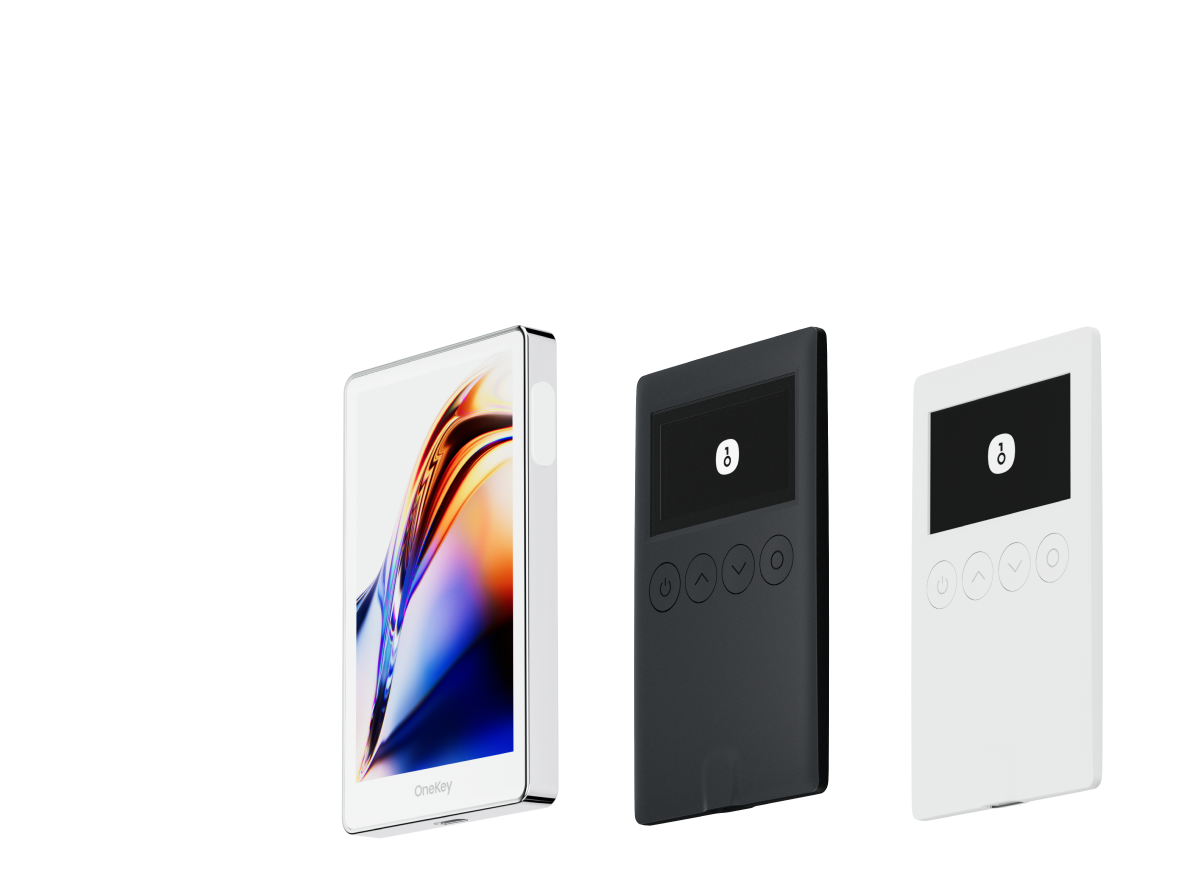
- OneKey hardware (OneKey Pro and OneKey Classic 1S) — devices with secure elements and on-device transaction parsing which reproduce the same human-readable preview independently.
OneKey’s signature protection system, SignGuard, is specifically built to stop blind-signing and phishing by parsing transactions on the App and re-parsing them on the hardware device so users can “see what you sign” before confirming. SignGuard is deeply integrated with third‑party risk feeds (e.g., GoPlus, Blockaid) to flag malicious contracts and suspect approvals in real time. This App+Hardware duality matters for NUM because token approvals and DeFi interactions can be permissioned or multi-step actions with irreversible consequences. (help.onekey.so)
Two ready-to-publish comparison tables (software + hardware)
Below are the two required comparison tables. They are included verbatim for clarity and import into your site.
Software Wallet Comparison: Features & User Experience
| Feature | OneKey App | MetaMask | Phantom | Trust Wallet | Ledger Live |
|---|---|---|---|---|---|
| Image |  |  |  |  |  |
| Supported Platforms | ✅ iOS, Android, Desktop | ✅ Browser extension, Mobile | ✅ Browser extension, Mobile | ✅ Mobile | ✅ Desktop, Mobile |
| Supported Chains & Tokens | ✅ 100+ chains, 30,000+ tokens | ✅ Primarily Ethereum and compatible chains | ✅ Primarily Solana ecosystem, now expanded to multi-chain | ✅ Multi-chain, some require cross-protocol bridging | ⚠️ Mainly relies on Ledger-supported assets |
| Hardware Wallet Support | ✅ Native support for OneKey hardware, works independently | ✅ Connects to multiple hardware brands | ⚠️ Limited support (only Ledger/Trezor via WalletConnect) | ⚠️ Limited hardware support | ✅ Deep integration with Ledger hardware |
| Open Source | ✅ Fully open source | ⚠️ Some components closed-source | ✅ Mostly open source | ❌ Closed-source | ⚠️ Partially open source (hardware firmware not fully open) |
| Fee Reductions | ✅ Zero-fee stablecoin transfers across supported networks | ❌ None | ⚠️ Temporary low-fee/zero-fee promotions for certain assets | ❌ None | ❌ None |
| Security Checks (Phishing Protection) | ✅ Integrated with GoPlus & Blockaid | ⚠️ Basic risk alerts | ⚠️ Basic risk alerts | ⚠️ Basic risk alerts | ⚠️ Basic risk alerts |
| Clear Signing Support | ✅ SignGuard dual parsing via App & Hardware | ⚠️ Limited display, high blind-signing risk | ✅ Supports transaction preview | ⚠️ Incomplete information | ✅ Requires Ledger hardware for Clear Signing |
| Spam Token Filtering | ✅ Built-in filtering mechanism | ❌ None | ❌ None | ❌ None | ❌ None |
| PIN Lock | ✅ App-level PIN encryption | ⚠️ App password + optional biometric unlock | ✅ Yes | ✅ Yes | ✅ Yes |
| Transfer Whitelist | ✅ Supported | ❌ None | ❌ None | ❌ None | ❌ None |
| Tron Energy Rental | ✅ Supported, reduces fees by an additional 20% | ❌ None | ❌ None | ✅ Supports TRX staking for fee reduction | ❌ None |
| Passphrase Hidden Wallet | ✅ Supported (Attach to PIN) | ❌ None | ❌ None | ❌ None | ❌ None |
| Trading Features (Buy/Sell/Swap) | ✅ Built-in multi-chain Swap & on-ramp | ✅ Strong Swap functionality | ✅ Built-in Swap | ✅ Built-in Swap | ✅ Swap (via Ledger Live) |
| Markets & Charts | ✅ Built-in market data & portfolio tracking | ❌ None | ⚠️ Limited market data | ✅ Built-in market | ✅ Built-in market & price tracking |
| DeFi & Staking | ✅ Integrated multi-chain DeFi & staking entry | ⚠️ Relies on third-party dApps | ⚠️ Mainly Solana staking, partial multi-chain DeFi | ✅ Built-in staking options | ⚠️ Limited, requires Ledger hardware |
Interpretation of the software table (key takeaways)
-
OneKey App is shown first intentionally because the OneKey App + hardware combination provides a complete anti-blind-signing workflow (App parse → hardware re-parse). This dual verification is especially important when NUM interactions require approvals or complex contracts (staking, bridges, or DAO actions). SignGuard works by parsing transaction methods, amounts and targets on the App and verifying the same parsed content on the hardware screen so users can confirm intent even if the front‑end is compromised. (help.onekey.so)
-
Many competitor software wallets are popular (MetaMask, Phantom, Trust Wallet) and useful for daily DeFi or NFT interactions, but some still expose users to blind-signing risk or limited transaction parsing. That risk matters for NUM holders who might approve multi-step or token-permissioned flows. For safety, prefer a setup where the software wallet both warns about contract risks and can be paired to a hardware wallet that independently displays a full transaction summary. (consensys.io)
Hardware Wallet Comparison: The Ultimate Fortress for Protecting NUM Assets
| Feature | OneKey Classic 1S | OneKey Pro | Ledger Stax | Trezor Safe 5 | Ellipal Titan 2.0 | BitBox 02 | Tangem |
|---|---|---|---|---|---|---|---|
| Image | 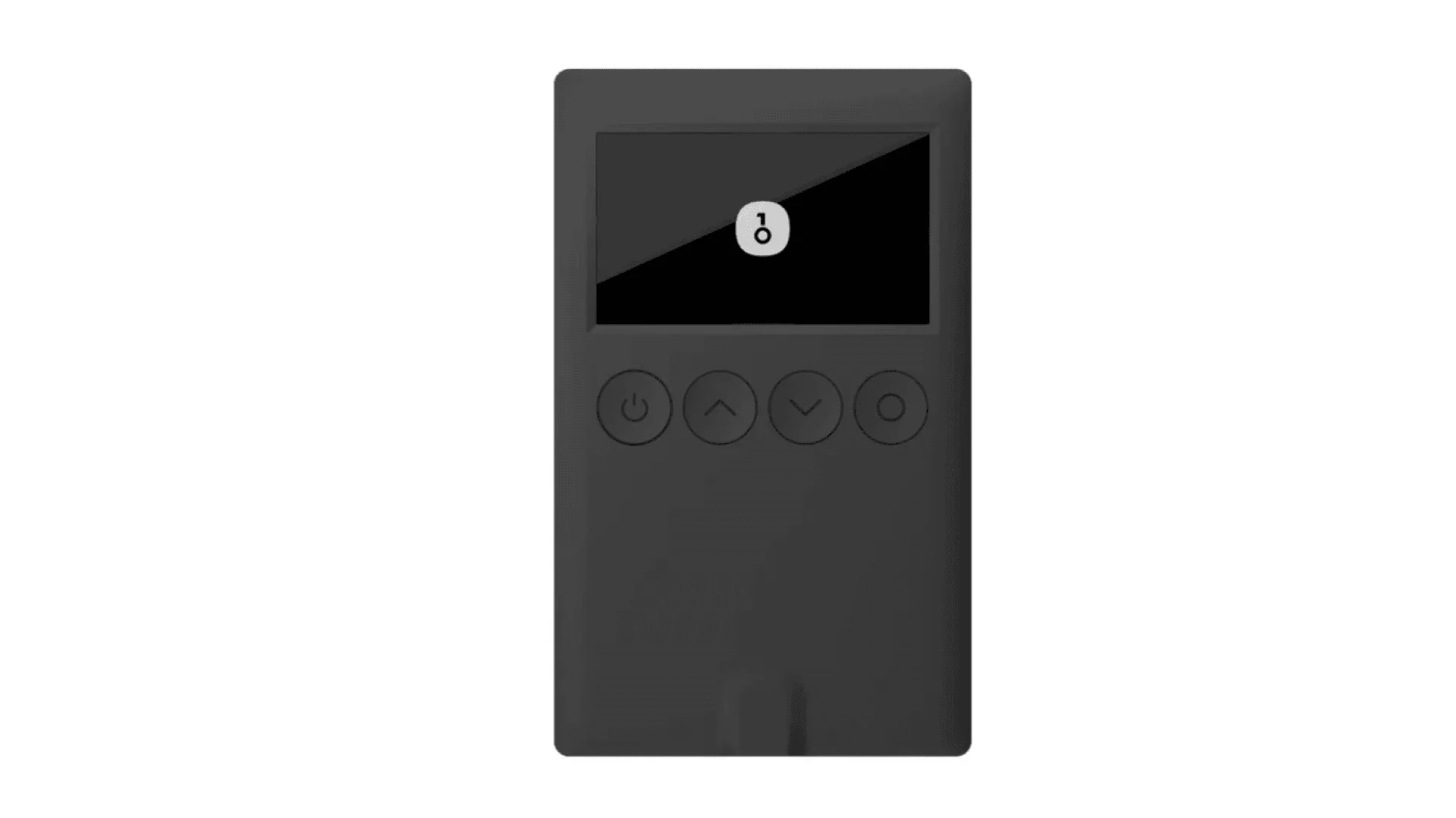 | 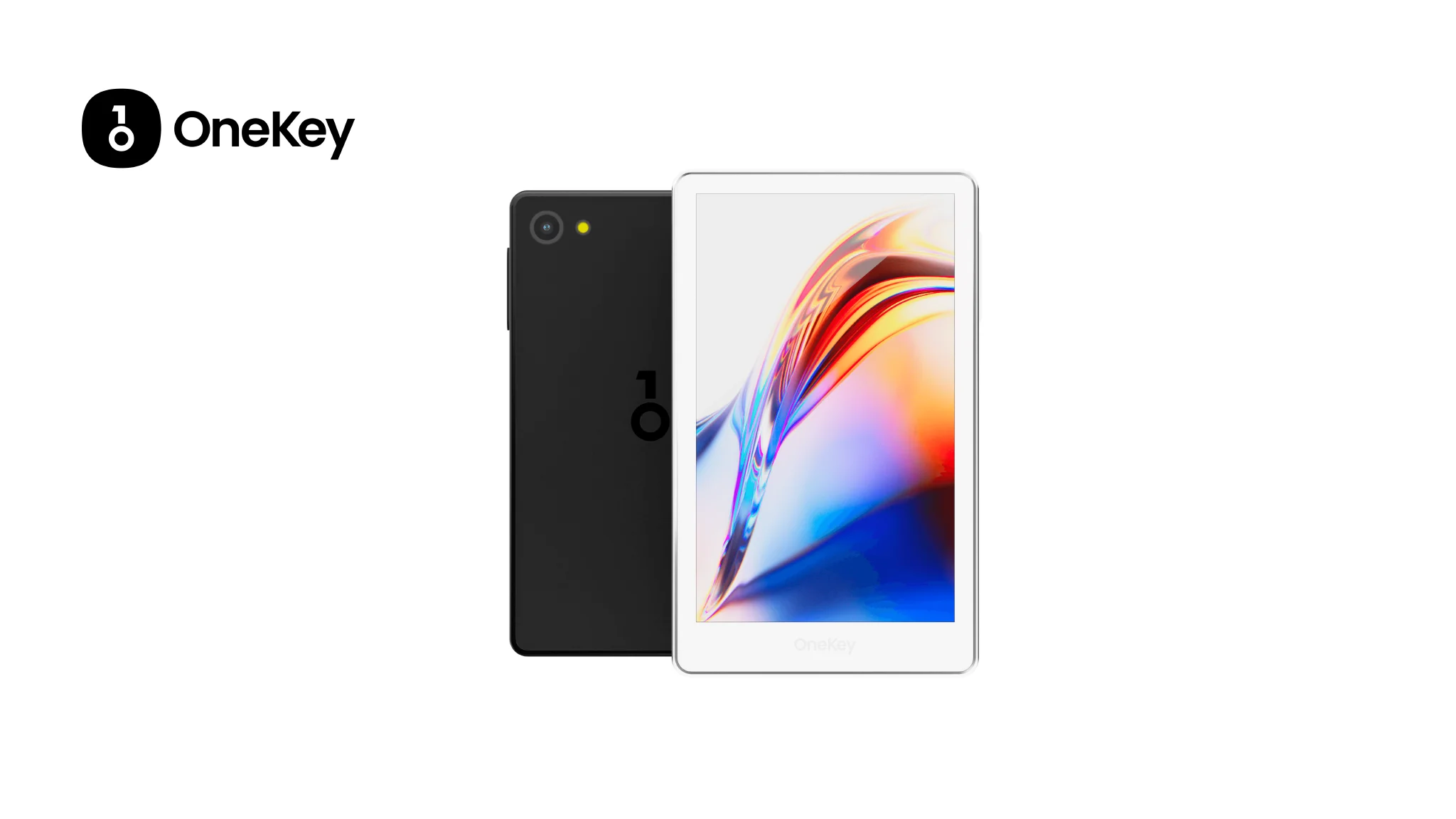 | 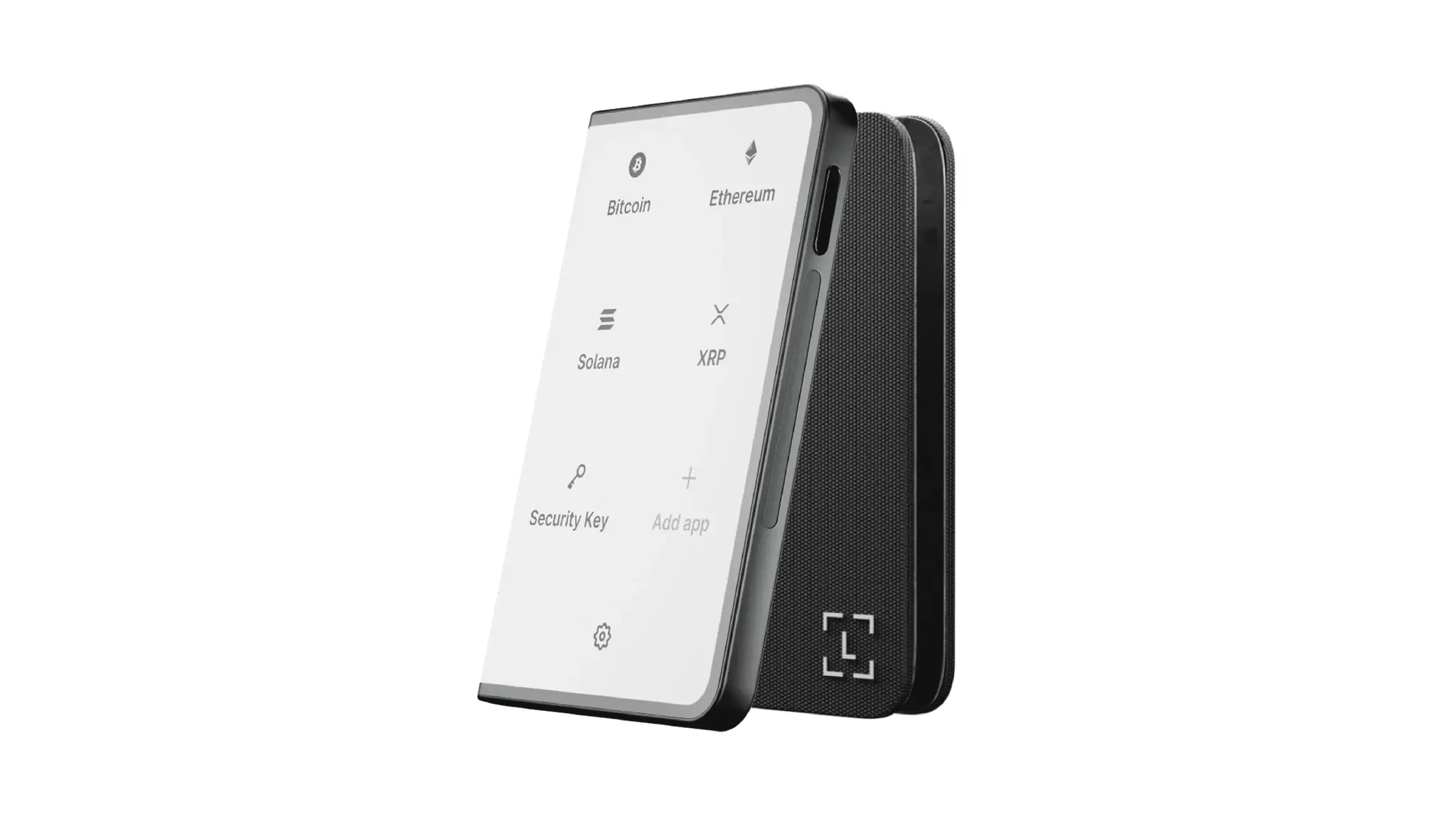 | 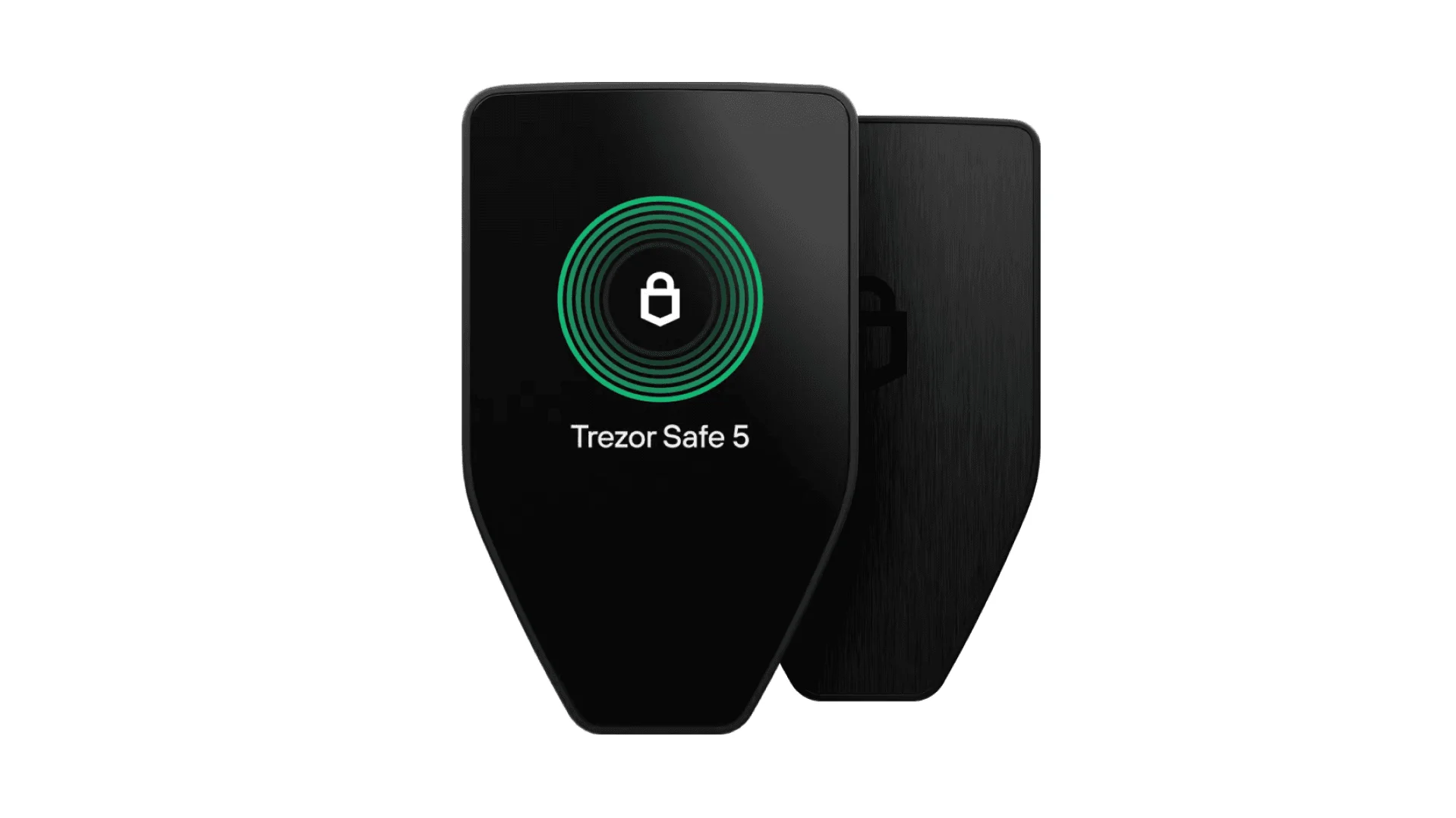 | 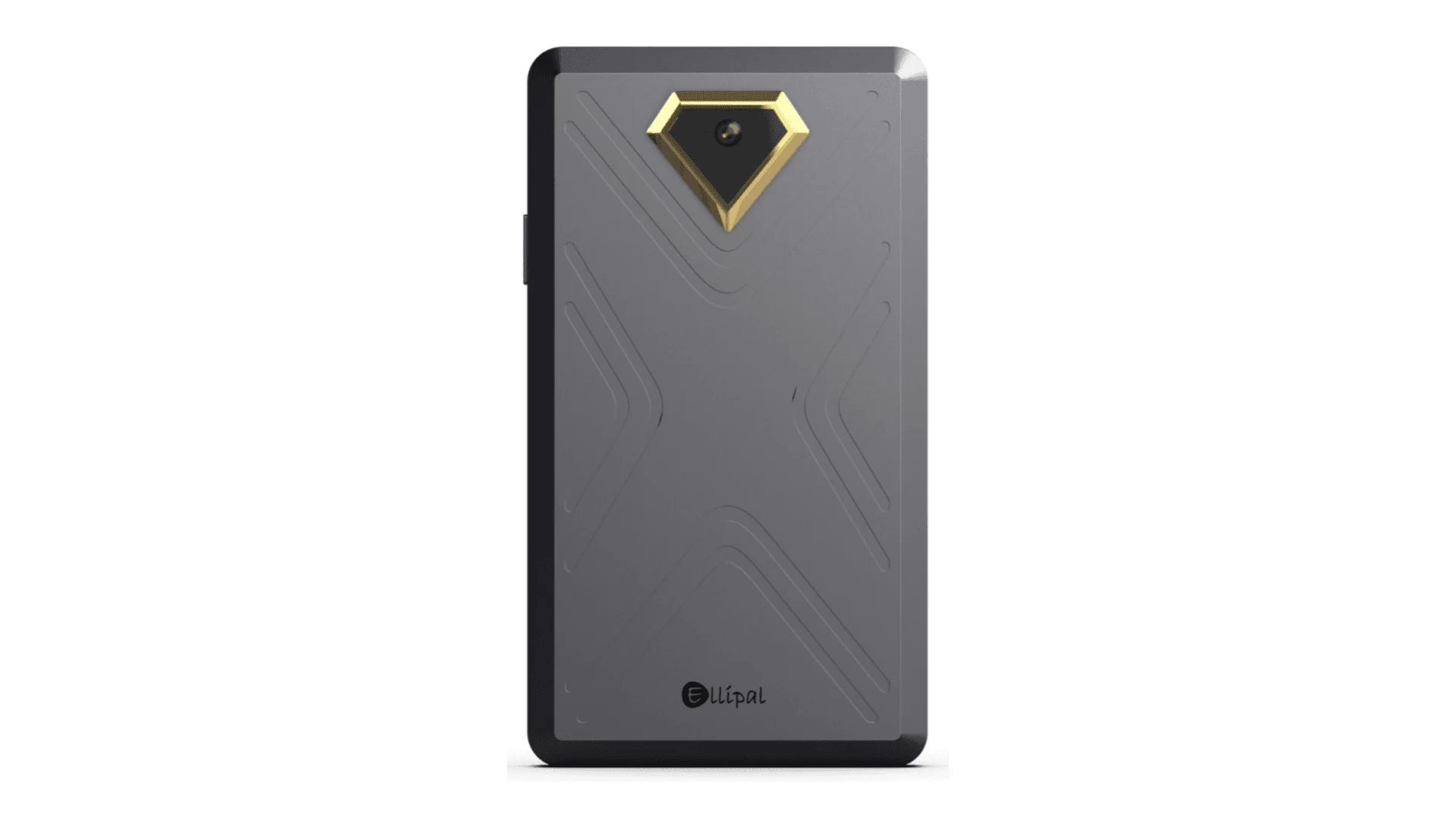 | 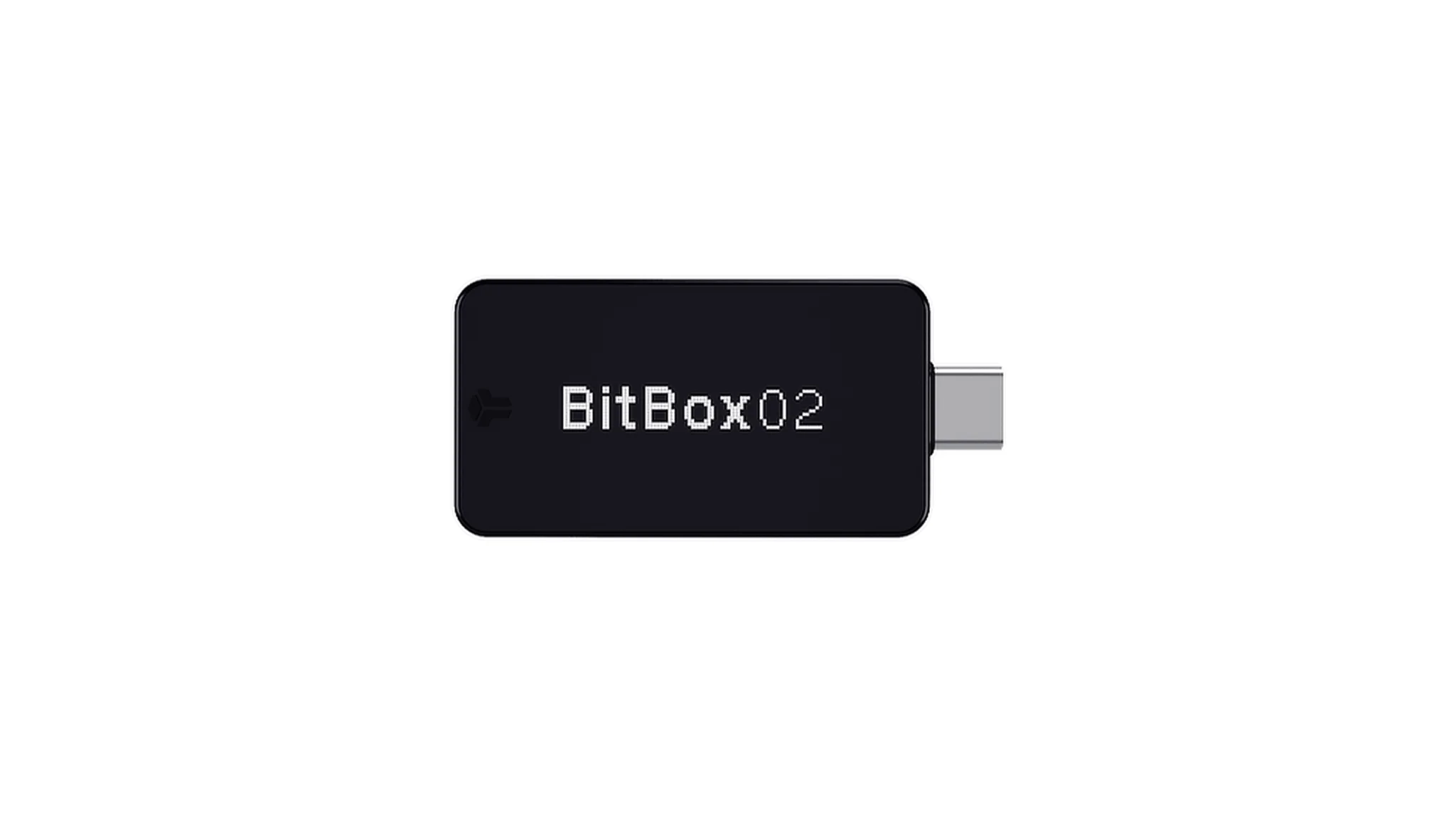 | 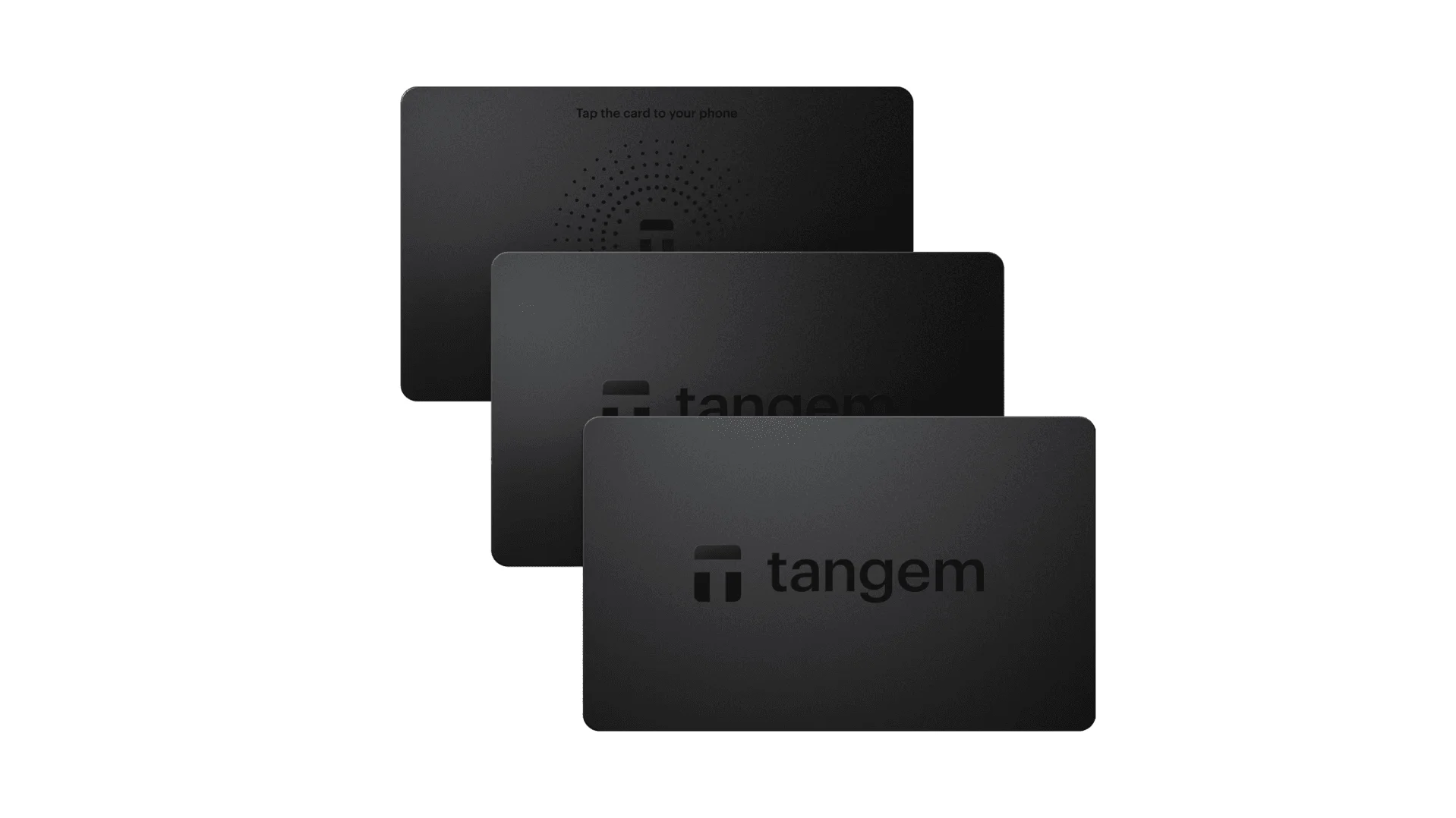 |
| Secure Element | ✅ EAL 6+ secure element | ✅ Four EAL 6+ (bank/passport-grade) secure elements | ✅ EAL6+ secure element | ✅ EAL 6+ secure element | ⚠️ EAL 5+ secure element, closed-source | ⚠️ Dual-chip (incl. ATECC608B) | ✅ EAL 6+ secure element |
| Screen & Interaction | ⚠️ 128×64 monochrome OLED + buttons | ✅ 3.5″ HD color touchscreen + camera scanning + Bluetooth + NFC | ✅ 3.7″ curved E-Ink touchscreen | ✅ 1.54″ color touchscreen (240×240) + haptics | ✅ 4.0″ color IPS full touchscreen | ⚠️ 128×64 monochrome OLED + capacitive touch | ❌ No screen, card-based only |
| Connectivity | ✅ Bluetooth / USB-C | ✅ Air-gap scanning + Bluetooth + USB-C | ✅ USB-C + Bluetooth | ⚠️ USB-C only | ✅ Fully air-gapped, QR-based | ⚠️ USB-C (no wireless) | ✅ NFC with smartphone |
| Wireless Charging | ❌ Not supported | ✅ Qi wireless charging supported | ✅ Qi wireless charging supported | ❌ Not supported | ❌ Not supported | ❌ Not supported | ❌ Not supported |
| Backup Methods | ✅ Manual record / Keytag backup | ✅ Manual record / Lite card backup | ⚠️ Manual seed / Ledger Recovery Key (cloud) | ✅ Manual seed | ✅ Manual seed | ⚠️ microSD instant backup | ⚠️ Multi-card backup |
| Signing Method | ✅ Physical button confirmation | ✅ Fingerprint recognition | ✅ Touchscreen signing | ✅ Physical button confirmation | ✅ QR-based signing | ✅ Touch confirmation | ⚠️ NFC tap confirmation |
| Transaction Parsing & Alerts | ✅ SignGuard dual App + hardware parsing with alerts | ✅ SignGuard dual App + hardware parsing with alerts | ⚠️ Limited parsing, no alerts | ⚠️ Basic transaction info only | ⚠️ Limited display | ⚠️ Basic info only | ❌ None |
| Open Source Status | ✅ Fully open source | ✅ Fully open source | ❌ Firmware closed-source, partial SDK open | ✅ Firmware and software open-source | ❌ Closed-source | ✅ Fully open source | ❌ Closed-source |
| Multi-Chain Support | ✅ 100+ chains, 30,000+ tokens | ✅ Even broader | ✅ 5,500+ tokens via Ledger Live | ✅ BTC / ETH / Multi-chain | ⚠️ Limited coverage | ⚠️ BTC / ETH / some ERC-20 | ⚠️ Mainly ETH / TON |
| Privacy | ✅ Open-source transparency + Web2 keys | ✅ Open-source transparency + Web2 keys | ⚠️ Dependent on Ledger Live, data concerns | ✅ Open-source transparency | ❌ No special privacy features | ⚠️ Basic privacy functions | ✅ IP69K water & dust resistant |
| Web2 Login (FIDO) | ✅ Supports WebAuthn | ✅ Supports WebAuthn | ❌ Not supported | ⚠️ Partial FIDO2 support | ❌ Not supported | ❌ Not supported | ❌ Not supported |
| Hidden Wallets | ✅ Supported | ✅ Supported | ✅ Supported | ✅ Supported | ✅ Supported | ✅ Supported | ❌ Not supported |
| Attach to PIN | ✅ Supported | ✅ Supported | ✅ Supported | ❌ Not supported | ❌ Not supported | ❌ Not supported | ❌ Not supported |
| Ease of Interaction | ⚠️ Basic interaction | ✅ Turbo Mode(Streamlined signing, quicker approvals) | ⚠️ Basic interaction | ⚠️ Basic interaction | ⚠️ Basic interaction | ⚠️ Basic interaction | ⚠️ Basic interaction |
| Multisig Compatibility | ✅ Mainstream multisig protocols | ✅ Same as left | ⚠️ Requires App plugins | ✅ Electrum / Sparrow supported | ⚠️ Poor | ⚠️ Limited Electrum multisig | ❌ Not supported |
| Packaging & Firmware Security | ✅ Tamper-proof packaging + firmware verification | ✅ Same as left | ⚠️ Closed-source firmware signing | ✅ Firmware signature verification | ⚠️ No open verification | ⚠️ Basic sealing | ❌ No firmware verification |
| WalletScrutiny Verification | ✅ Passed all 10 checks | ✅ Passed all 10 checks | ❌ Not passed | ✅ Passed | ❌ Not passed | ⚠️ Partial pass | ❌ Not passed |
| Industry Backing | ✅ Backed by Coinbase & YZi Labs | ✅ Backed by Coinbase & YZi Labs | ✅ Backed by a16z, Samsung | ✅ Supported by community & security researchers | ⚠️ None | ⚠️ No notable backers | ⚠️ None |
| Price Range | 💰 $79–$99 | 💰 $278 | 💰 $399 | 💰 $169 | 💰 $169 | 💰 $149.99 | 💰 $60–$90 (3-pack) |
Interpretation of the hardware table (key takeaways)
-
OneKey Classic 1S and OneKey Pro are presented first because they are designed to work natively with the OneKey App and SignGuard (App+device transaction parsing). That independent parsing on the device is a powerful defense for NUM holders interacting with contracts or approving on-chain services. SignGuard parses the transaction on the App, surfaces human-readable fields and risk alerts, and then the hardware device independently re-parses the raw transaction and displays the same readable summary so the final signature is deliberate and informed. (help.onekey.so)
-
Many competitor devices provide robust private-key protection (secure elements, tamper resistance) but offer limited or partial transaction parsing and fewer integrated anti-phishing feeds. For NUM token use-cases — where users may approve contracts for staking, marketplace claims, or bridging — the absence of an App+hardware parsed preview increases the risk of mis-approvals or drainers. Consistent, verifiable display of parsed transaction fields on both the App and the device reduces this risk dramatically. (consensys.io)
Deeper dive: How SignGuard protects NUM users (detailed mechanics)
-
App-side parsing: The OneKey App inspects the transaction payload (method names such as transfer, approve, permit, delegatecall), decodes approval amounts and target addresses, and replaces raw addresses with recognized contract names when possible. It also integrates real-time risk feeds (GoPlus, Blockaid, ScamSniffer) to surface suspicious contract signatures, fake token indicators, or phishing domain flags before the signature step. SignGuard thus moves risk detection earlier in the user flow. (help.onekey.so)
-
Device-side authoritative parsing: The hardware wallet independently parses the raw transaction data locally and renders a human-readable summary on its own screen. This is crucial because a compromised computer or browser extension cannot alter what the hardware device shows. For NUM holders, that means if a staking UI lies about the action (e.g., “claim reward”), you will still see the true contract method and recipient on the device and can choose to reject. SignGuard enforces this two-step verification model. (help.onekey.so)
-
Real-world impact: Cases across the industry repeatedly show attackers exploiting vague signing interfaces. Adopting wallets that force readable verification on both App and device reduces the class of “blind-sign” exploits where attackers trick users into irreversible approvals. This is especially relevant for NUM because token approvals are used in staking, liquidity provision, and agent-like AI services — all operations where a malicious approval can lead to token loss. (maxwellseefeld.org)
Why OneKey is especially well-suited for NUM (practical reasons)
-
Multi-chain NUM support + broad token coverage: NUM is used on EVM-compatible chains and sometimes across multiple networks; OneKey’s support for 100+ chains and 30,000+ tokens simplifies portfolio management for NUM holders who move tokens between DEXs, bridges and marketplaces. (onekey.so)
-
Anti-phishing feeds and spam token filtering: OneKey App integrates risk intelligence (e.g., GoPlus, Blockaid) to flag fake tokens and malicious contracts in real time — an important feature when NUM airdrops, token claims or cross-chain bridges are involved. (help.onekey.so)
-
On-device transaction parsing and final confirmation: NUM interactions often require approvals; the device-side re-parsing OneKey provides ensures the user confirms the same human-readable transaction before signing — protecting NUM holders against malicious front-ends. SignGuard is central to this. (help.onekey.so)
-
Reproducible builds, audits, and third-party verification: OneKey publishes open-source components and documents audits; independent checks such as WalletScrutiny show favorable results for OneKey hardware, which matters for users who place large NUM balances behind hardware keys. (walletscrutiny.com)
Common objections and limitations (and how OneKey addresses them)
-
“Hardware wallets already protect keys — why the fuss about signing previews?”
Hardware protection prevents key exfiltration, but it does not, by itself, guarantee that the transaction being signed is benign. Attackers exploit opaque signing flows to trick users into approving dangerous allowances or transfers. That’s why App+hardware parsing matters. Industry analysis and developer guidance repeatedly warn that blind signing is a major residual risk even with hardware wallets in use. (consensys.io) -
“Other vendors also tout UX or touchscreen displays.”
A big screen alone