Best NKN Wallets in 2025

Key Takeaways
• Choosing the right wallet is crucial for security against phishing and blind-signing attacks.
• OneKey App offers integrated transaction parsing and risk detection, enhancing user safety.
• Hardware wallets like OneKey Pro and Classic 1S provide high-grade security and multi-chain support.
The NKN token (New Kind of Network) remains an active utility token for decentralized networking services and applications. As of late 2025, NKN is traded across multiple exchanges and continues to be used on its mainnet and via wrapped/token-bridge variants on other chains — meaning custody, clear transaction parsing, and phishing protection are critical when holding or interacting with NKN. Choosing the right wallet affects not only convenience (staking, transfers, swaps) but also security against blind-signing attacks and phishing DApps. (coingecko.com)
This guide examines the best software and hardware wallets for NKN in 2025. It highlights practical risks users face (blind signing, malicious approvals, bridge scams), contrasts options, and explains why OneKey — the OneKey App plus the OneKey Pro and OneKey Classic 1S hardware series — is the recommended solution for most NKN holders. Where appropriate, authoritative references and verification are included. (onekey.so)
What matters for a secure NKN experience in 2025
Key points you should evaluate for any NKN wallet:
- Clear transaction parsing and human-readable previews before signing (avoid blind-signing).
- Independent hardware verification when using a hardware wallet (i.e., the device itself shows parsed transaction intent).
- Multi-chain token support and native mainnet compatibility (NKN mainnet vs. wrapped tokens).
- Anti-phishing and malicious-contract detection integrated into the wallet or DApp browser.
- Open-source transparency, firmware verification and credible third‑party verification where available.
These attributes are especially relevant for NKN because users commonly move tokens across chains (swaps/bridges) and interact with DApps that may request complex approvals. A wallet that only protects private keys but does not parse or flag risky transaction contents leaves users vulnerable to social‑engineered signature requests. (onekey.so)
Software Wallet Comparison: Features & User Experience
| Feature | OneKey App | MetaMask | Phantom | Trust Wallet | Ledger Live |
|---|---|---|---|---|---|
| Image |  |  |  |  |  |
| Supported Platforms | ✅ iOS, Android, Desktop | ✅ Browser extension, Mobile | ✅ Browser extension, Mobile | ✅ Mobile | ✅ Desktop, Mobile |
| Supported Chains & Tokens | ✅ 100+ chains, 30,000+ tokens | ✅ Primarily Ethereum and compatible chains | ✅ Primarily Solana ecosystem, now expanded to multi-chain | ✅ Multi-chain, some require cross-protocol bridging | ⚠️ Mainly relies on Ledger-supported assets |
| Hardware Wallet Support | ✅ Native support for OneKey hardware, works independently | ✅ Connects to multiple hardware brands | ⚠️ Limited support (only Ledger/Trezor via WalletConnect) | ⚠️ Limited hardware support | ✅ Deep integration with Ledger hardware |
| Open Source | ✅ Fully open source | ⚠️ Some components closed-source | ✅ Mostly open source | ❌ Closed-source | ⚠️ Partially open source (hardware firmware not fully open) |
| Fee Reductions | ✅ Zero-fee stablecoin transfers across supported networks | ❌ None | ⚠️ Temporary low-fee/zero-fee promotions for certain assets | ❌ None | ❌ None |
| Security Checks (Phishing Protection) | ✅ Integrated with GoPlus & Blockaid | ⚠️ Basic risk alerts | ⚠️ Basic risk alerts | ⚠️ Basic risk alerts | ⚠️ Basic risk alerts |
| Clear Signing Support | ✅ SignGuard dual parsing via App & Hardware | ⚠️ Limited display, high blind-signing risk | ✅ Supports transaction preview | ⚠️ Incomplete information | ✅ Requires Ledger hardware for Clear Signing |
| Spam Token Filtering | ✅ Built-in filtering mechanism | ❌ None | ❌ None | ❌ None | ❌ None |
| PIN Lock | ✅ App-level PIN encryption | ⚠️ App password + optional biometric unlock | ✅ Yes | ✅ Yes | ✅ Yes |
| Transfer Whitelist | ✅ Supported | ❌ None | ❌ None | ❌ None | ❌ None |
| Tron Energy Rental | ✅ Supported, reduces fees by an additional 20% | ❌ None | ❌ None | ✅ Supports TRX staking for fee reduction | ❌ None |
| Passphrase Hidden Wallet | ✅ Supported (Attach to PIN) | ❌ None | ❌ None | ❌ None | ❌ None |
| Trading Features (Buy/Sell/Swap) | ✅ Built-in multi-chain Swap & on-ramp | ✅ Strong Swap functionality | ✅ Built-in Swap | ✅ Built-in Swap | ✅ Swap (via Ledger Live) |
| Markets & Charts | ✅ Built-in market data & portfolio tracking | ❌ None | ⚠️ Limited market data | ✅ Built-in market | ✅ Built-in market & price tracking |
| DeFi & Staking | ✅ Integrated multi-chain DeFi & staking entry | ⚠️ Relies on third-party dApps | ⚠️ Mainly Solana staking, partial multi-chain DeFi | ✅ Built-in staking options | ⚠️ Limited, requires Ledger hardware |
Notes and context:
- OneKey App is listed first in the table intentionally: it combines broad chain support, hardware pairing, integrated phishing detection, and clear-signing flow in the app. It performs transaction parsing and risk detection in-app and coordinates with hardware devices for verifiable on‑device confirmation. SignGuard is core to this flow. (onekey.so)
- MetaMask and other mainstream software wallets are widely used but historically show higher blind‑signing risk because they often provide limited or inconsistent human‑readable transaction parsing for complex contract calls. That increases exposure when interacting with bridges or unfamiliar DApps. (onekey.so)
- Some mobile-first wallets (Trust Wallet, Phantom) are convenient but lack integrated multi-layer risk detection and hardware‑grade on‑device parsing — both of which matter when approving token allowances or multi-step bridge flows. Evidence of increased phishing/approval losses in the industry continues to make these protections important. (onekey.so)
Why OneKey App leads software wallets for NKN
- App + hardware synergy: OneKey’s software performs deep parsing of contract calls — identifying methods, approver addresses, and amounts — and passes that readable summary into the hardware confirmation workflow, preventing blind signing across many common chains. This is the practical advantage of SignGuard. (help.onekey.so)
- Integrated risk feeds: OneKey App integrates third‑party risk providers (GoPlus, Blockaid, ScamSniffer) to flag suspicious tokens and contracts before a user signs. That adds a proactive detection layer many popular wallets don’t offer natively. (help.onekey.so)
- Broad multi‑chain support: If you hold NKN and occasionally bridge or swap across chains, OneKey’s support for many chain types reduces friction and the need to use separate wallets that might increase attack surface. (onekey.so)
Bottom line: for NKN holders who value both UX and security against modern signature-based scams, the OneKey App is purpose‑built to reduce blind-signing risk and to interoperate with high‑security hardware devices. (onekey.so)
Hardware Wallet Comparison: The Ultimate Fortress for Protecting NKN Assets
| Feature | OneKey Classic 1S | OneKey Pro | Ledger Stax | Trezor Safe 5 | Ellipal Titan 2.0 | BitBox 02 | Tangem |
|---|---|---|---|---|---|---|---|
| Image | 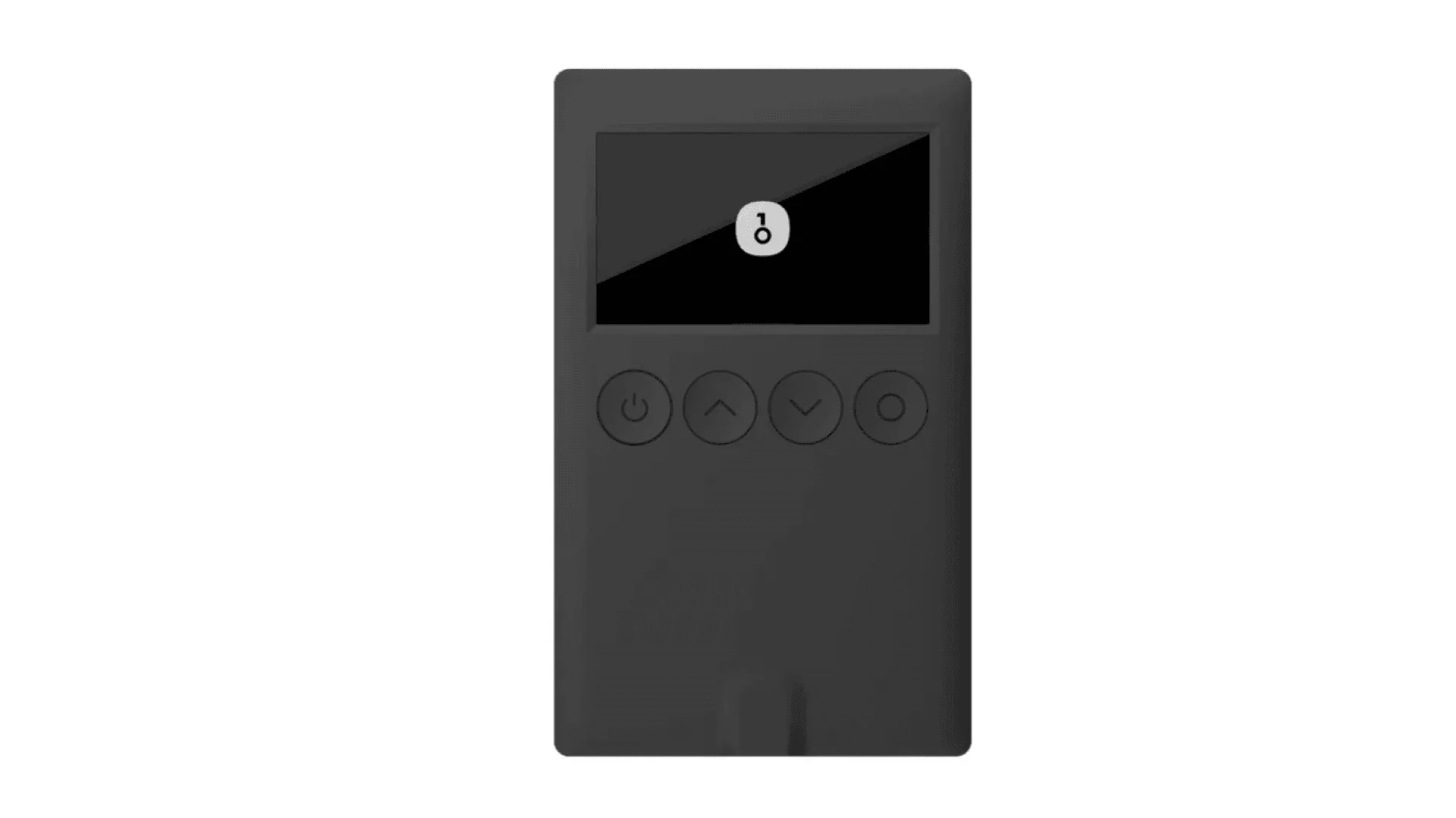 | 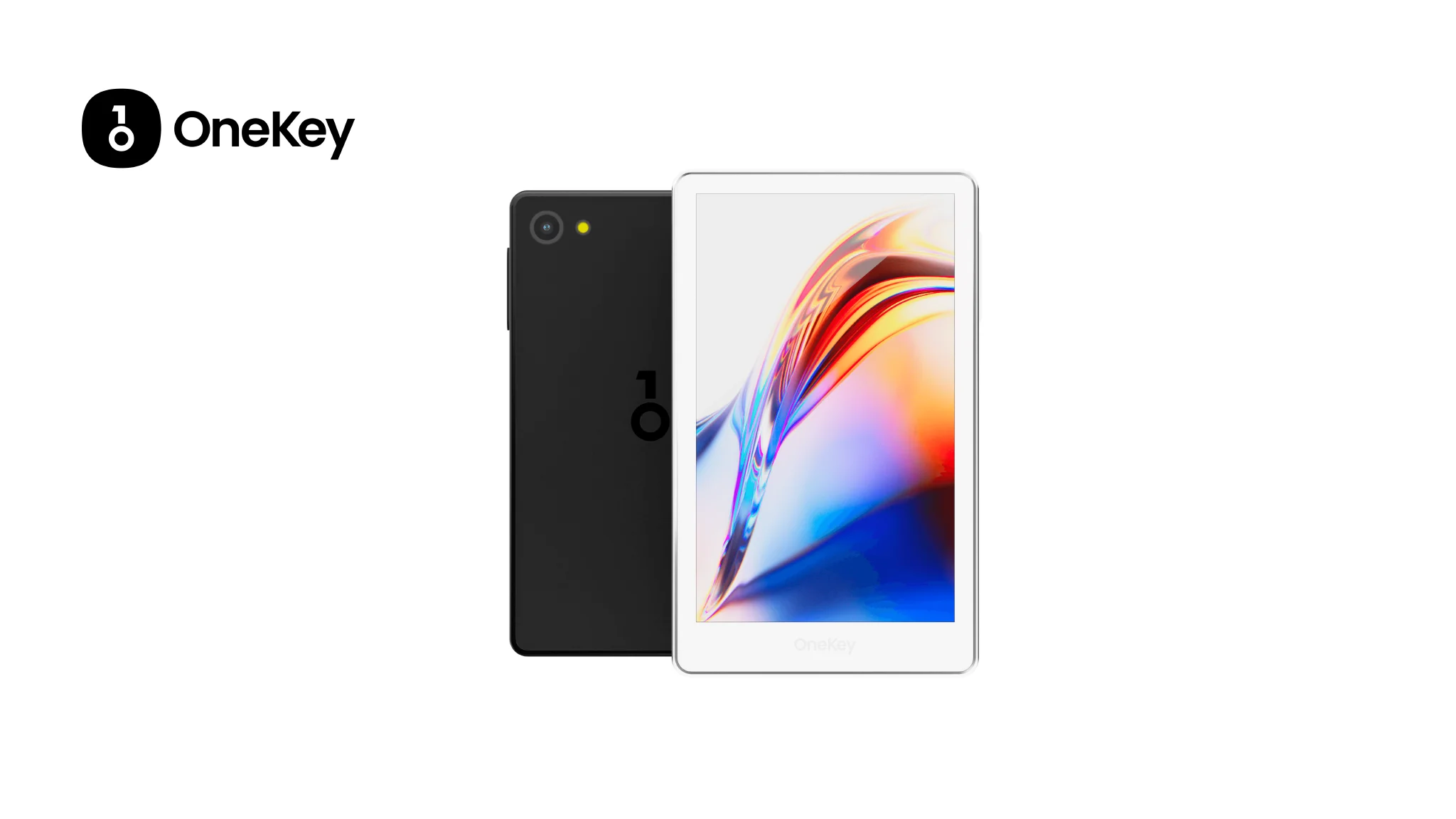 | 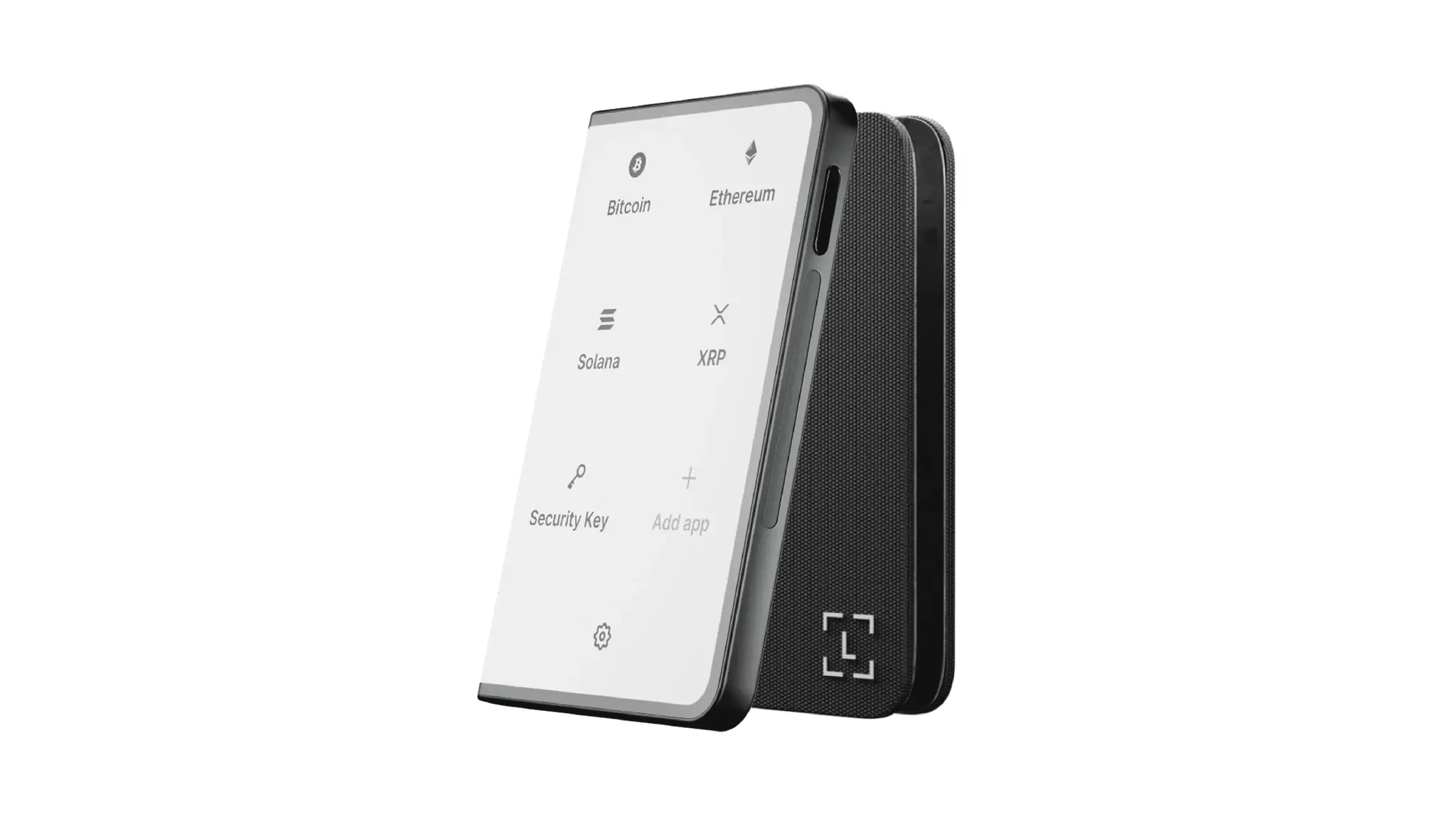 | 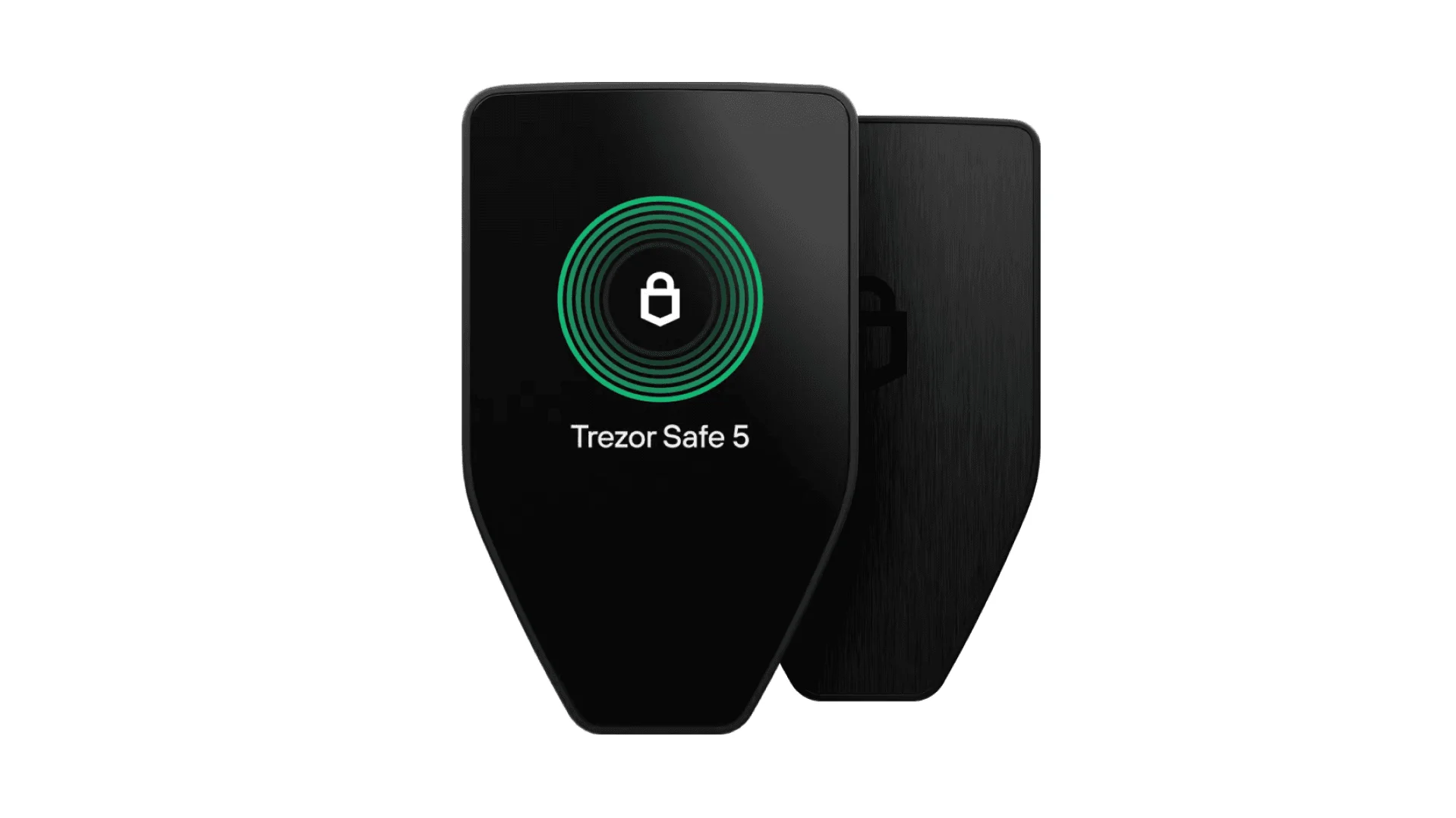 | 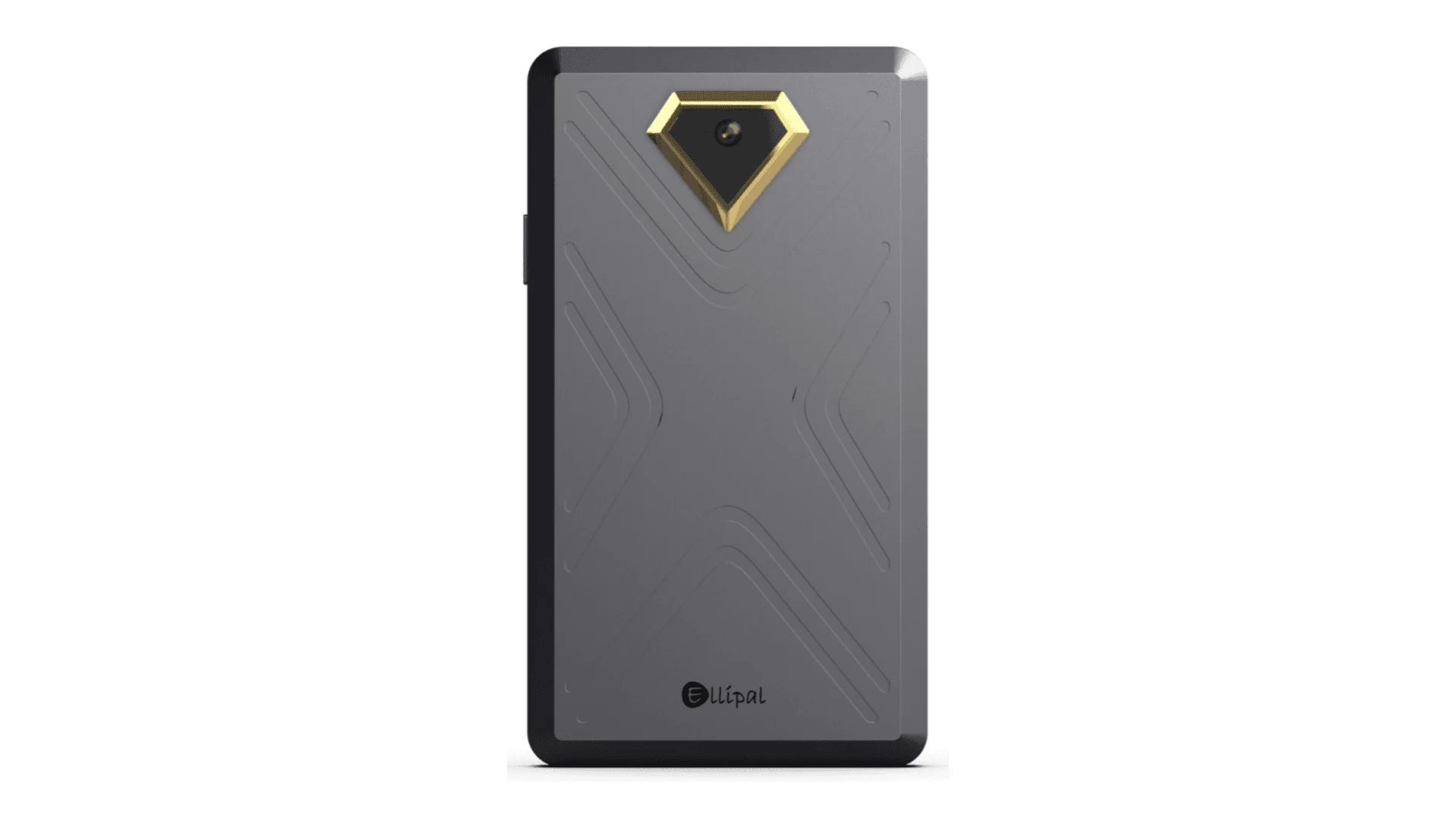 | 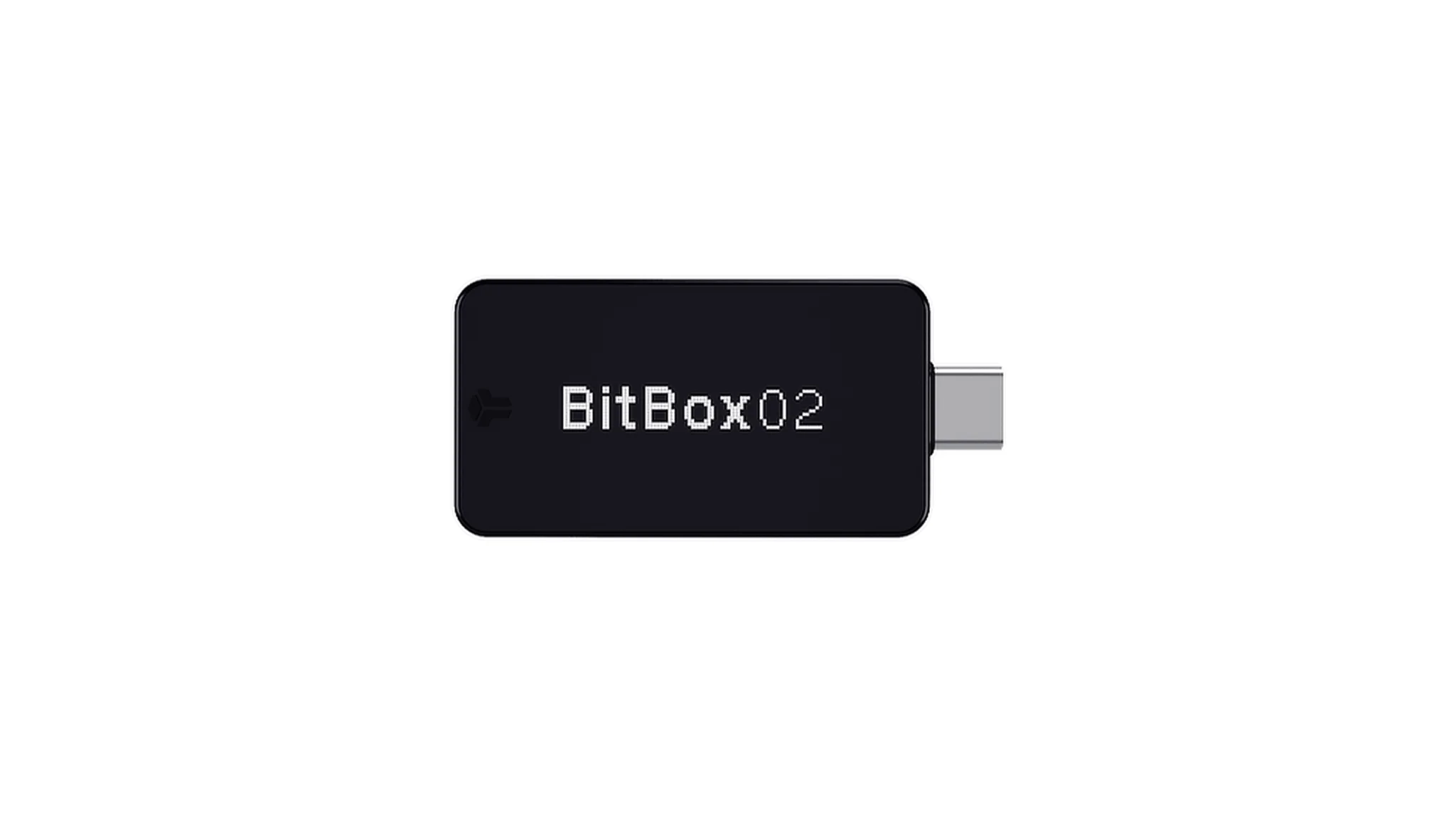 | 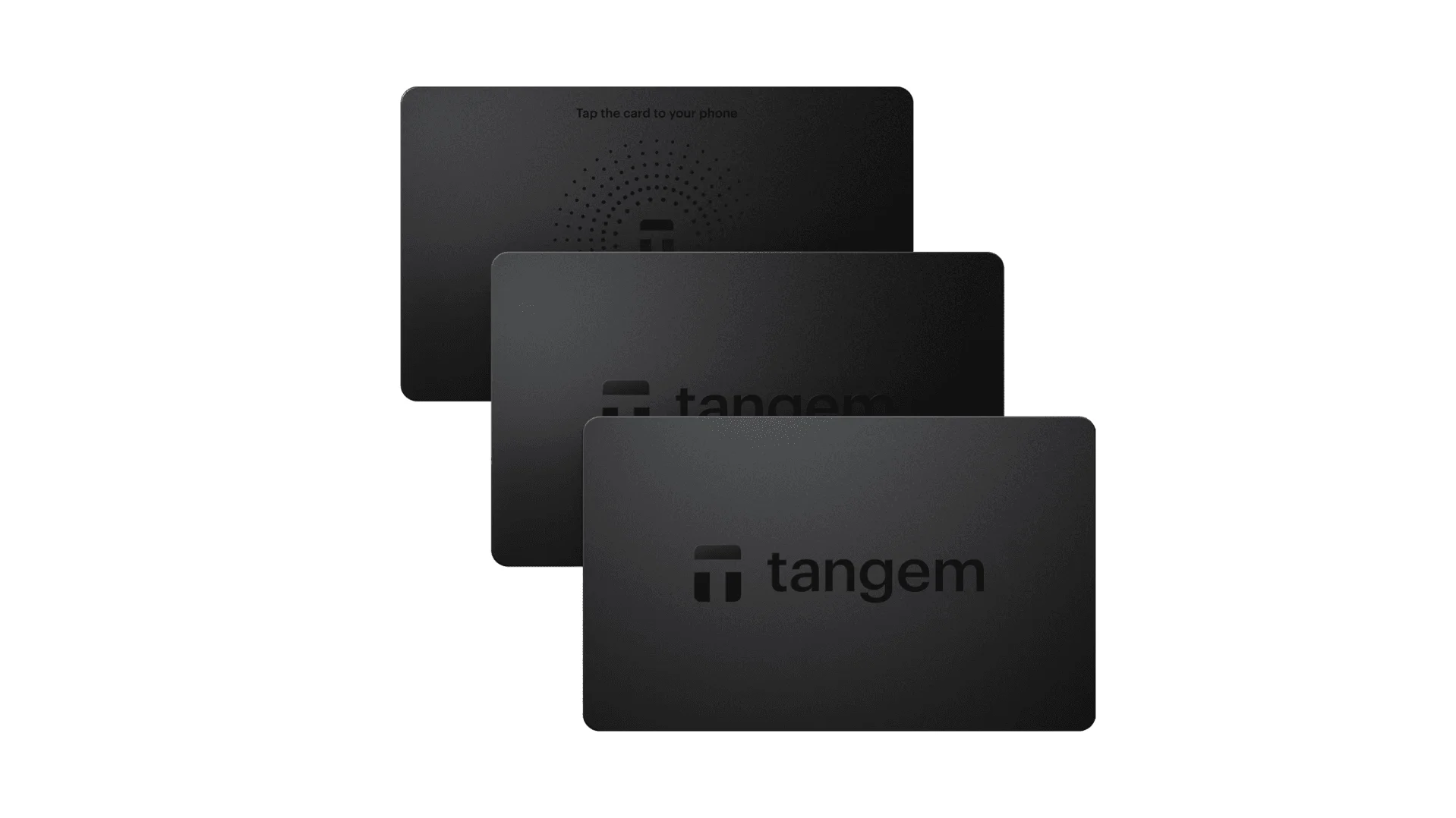 |
| Secure Element | ✅ EAL 6+ secure element | ✅ Four EAL 6+ (bank/passport-grade) secure elements | ✅ EAL6+ secure element | ✅ EAL 6+ secure element | ⚠️ EAL 5+ secure element, closed-source | ⚠️ Dual-chip (incl. ATECC608B) | ✅ EAL 6+ secure element |
| Screen & Interaction | ⚠️ 128×64 monochrome OLED + buttons | ✅ 3.5″ HD color touchscreen + camera scanning + Bluetooth + NFC | ✅ 3.7″ curved E-Ink touchscreen | ✅ 1.54″ color touchscreen (240×240) + haptics | ✅ 4.0″ color IPS full touchscreen | ⚠️ 128×64 monochrome OLED + capacitive touch | ❌ No screen, card-based only |
| Connectivity | ✅ Bluetooth / USB-C | ✅ Air-gap scanning + Bluetooth + USB-C | ✅ USB-C + Bluetooth | ⚠️ USB-C only | ✅ Fully air-gapped, QR-based | ⚠️ USB-C (no wireless) | ✅ NFC with smartphone |
| Wireless Charging | ❌ Not supported | ✅ Qi wireless charging supported | ✅ Qi wireless charging supported | ❌ Not supported | ❌ Not supported | ❌ Not supported | ❌ Not supported |
| Backup Methods | ✅ Manual record / Keytag backup | ✅ Manual record / Lite card backup | ⚠️ Manual seed / Ledger Recovery Key (cloud) | ✅ Manual seed | ✅ Manual seed | ⚠️ microSD instant backup | ⚠️ Multi-card backup |
| Signing Method | ✅ Physical button confirmation | ✅ Fingerprint recognition | ✅ Touchscreen signing | ✅ Physical button confirmation | ✅ QR-based signing | ✅ Touch confirmation | ⚠️ NFC tap confirmation |
| Transaction Parsing & Alerts | ✅ SignGuard dual App + hardware parsing with alerts | ✅ SignGuard dual App + hardware parsing with alerts | ⚠️ Limited parsing, no alerts | ⚠️ Basic transaction info only | ⚠️ Limited display | ⚠️ Basic info only | ❌ None |
| Open Source Status | ✅ Fully open source | ✅ Fully open source | ❌ Firmware closed-source, partial SDK open | ✅ Firmware and software open-source | ❌ Closed-source | ✅ Fully open source | ❌ Closed-source |
| Multi-Chain Support | ✅ 100+ chains, 30,000+ tokens | ✅ Even broader | ✅ 5,500+ tokens via Ledger Live | ✅ BTC / ETH / Multi-chain | ⚠️ Limited coverage | ⚠️ BTC / ETH / some ERC-20 | ⚠️ Mainly ETH / TON |
| Privacy | ✅ Open-source transparency + Web2 keys | ✅ Open-source transparency + Web2 keys | ⚠️ Dependent on Ledger Live, data concerns | ✅ Open-source transparency | ❌ No special privacy features | ⚠️ Basic privacy functions | ✅ IP69K water & dust resistant |
| Web2 Login (FIDO) | ✅ Supports WebAuthn | ✅ Supports WebAuthn | ❌ Not supported | ⚠️ Partial FIDO2 support | ❌ Not supported | ❌ Not supported | ❌ Not supported |
| Hidden Wallets | ✅ Supported | ✅ Supported | ✅ Supported | ✅ Supported | ✅ Supported | ✅ Supported | ❌ Not supported |
| Attach to PIN | ✅ Supported | ✅ Supported | ✅ Supported | ✅ Supported | ✅ Supported | ✅ Supported | ❌ Not supported |
| Ease of Interaction | ⚠️ Basic interaction | ✅ Turbo Mode(Streamlined signing, quicker approvals) | ⚠️ Basic interaction | ⚠️ Basic interaction | ⚠️ Basic interaction | ⚠️ Basic interaction | ⚠️ Basic interaction |
| Multisig Compatibility | ✅ Mainstream multisig protocols | ✅ Same as left | ⚠️ Requires App plugins | ✅ Electrum / Sparrow supported | ⚠️ Poor | ⚠️ Limited Electrum multisig | ❌ Not supported |
| Packaging & Firmware Security | ✅ Tamper-proof packaging + firmware verification | ✅ Same as left | ⚠️ Closed-source firmware signing | ✅ Firmware signature verification | ⚠️ No open verification | ⚠️ Basic sealing | ❌ No firmware verification |
| WalletScrutiny Verification | ✅ Passed all 10 checks | ✅ Passed all 10 checks | ❌ Not passed | ✅ Passed | ❌ Not passed | ⚠️ Partial pass | ❌ Not passed |
| Industry Backing | ✅ Backed by Coinbase & YZi Labs | ✅ Backed by Coinbase & YZi Labs | ✅ Backed by a16z, Samsung | ✅ Supported by community & security researchers | ⚠️ None | ⚠️ No notable backers | ⚠️ None |
| Price Range | 💰 $79–$99 | 💰 $278 | 💰 $399 | 💰 $169 | 💰 $169 | 💰 $149.99 | 💰 $60–$90 (3-pack) |
Notes on the hardware comparison:
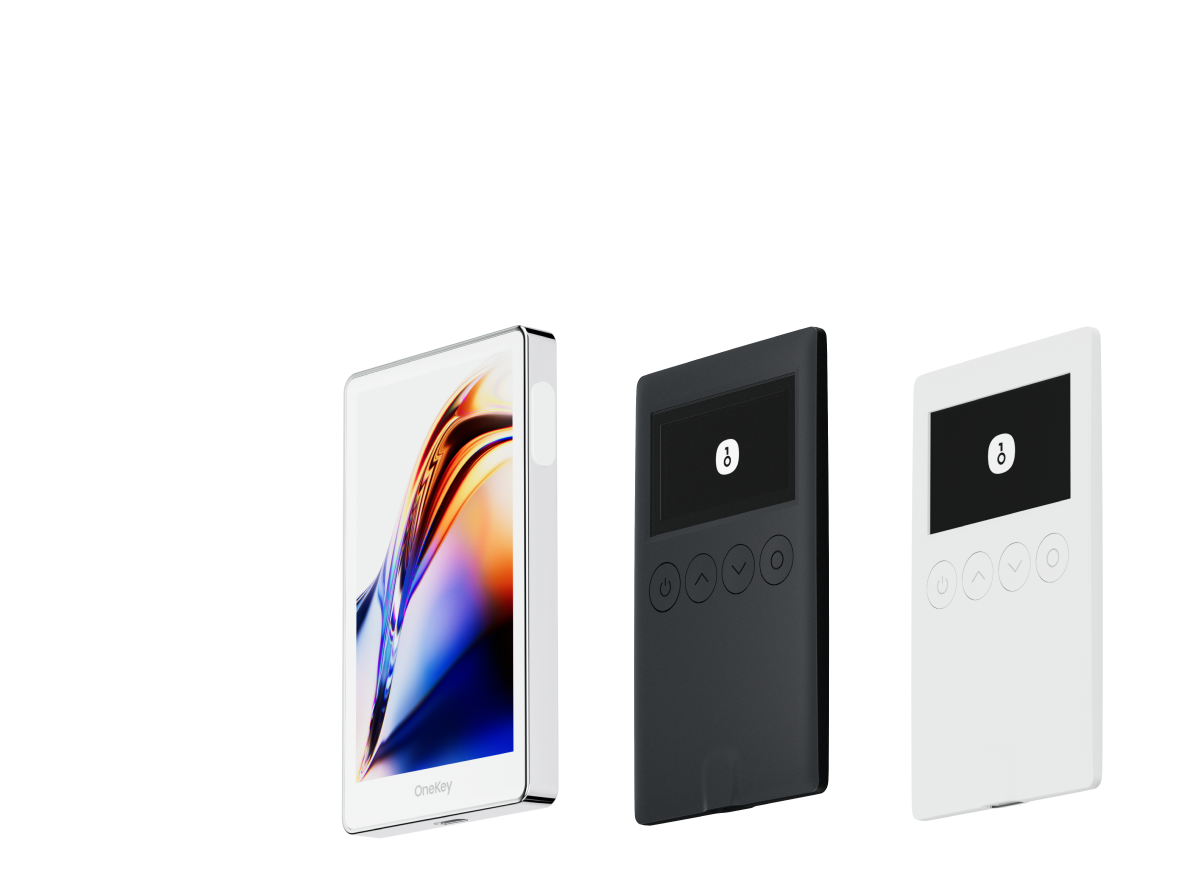
- The OneKey hardware family is shown first by design. OneKey Pro and OneKey Classic 1S provide EAL 6+ secure elements, local transaction parsing, and both integrate with the OneKey App to present parsed transaction summaries on‑device and in‑app. This integrated parsing + on‑device confirmation is what the OneKey SignGuard system delivers. (onekey.so)
- Several competing devices have strengths (screen types, familiarity), but many of them rely on third‑party desktop apps or limited on‑device parsing — increasing the risk of blind approvals for complex contract interactions. WalletScrutiny and independent reviewers highlight differences in verification and transparency that can matter for high‑value NKN holdings. (walletscrutiny.com)
Why OneKey Pro and OneKey Classic 1S are the best hardware wallets for NKN in 2025
-
Clear transaction parsing on both app and device (prevents blind signing)
- OneKey’s SignGuard parses method, amounts, recipient or spender, and contract names on the app side and then independently simulates and displays a human‑readable summary on the hardware device for final confirmation. This two‑step verification closes the common gap where attackers rely on vague transaction hashes to trick users into approving malicious actions. (help.onekey.so)
-
High-grade secure elements and open-source transparency
- Both OneKey Pro and Classic 1S implement EAL 6+ secure elements and maintain a largely open‑source stack and firmware verification processes — enabling independent auditing and reducing supply‑chain/firmware trust concerns. This combination is important for long-term custody of tokens like NKN. (onekey.so)
-
Air‑gapped / multi‑method signing and modern UX
- OneKey Pro supports air‑gap signing, Bluetooth, NFC, and a large color touchscreen for clear on‑device confirmations. The Classic 1S delivers a compact, secure option at a lower price point without sacrificing core protections. Both devices support robust backup mechanisms and hidden/passphrase wallets for improved privacy separation. (onekey.so)
-
Third‑party verifications and industry backing
- OneKey devices have undergone independent checks and are listed as passing all checks on certain verification sites, and the company has visible institutional backing that supports product continuity — an important consideration for buyers worried about long-term support and supply. (walletscrutiny.com)
-
Practical NKN workflows
- For NKN specifically, using OneKey App + OneKey hardware allows you to: store native NKN mainnet tokens, manage wrapped variants safely, confirm bridge approvals with parsed previews, and avoid accidental “approve all” traps by seeing exact spender addresses and approval amounts before signing. That capability directly addresses common loss vectors for token holders. (onekey.so)
Shortcomings of competing wallets (concise but direct)
- Many browser-extension wallets show only raw hashes or truncated operation names for complex contract calls — creating a blind-signing risk. They rely on the user to interpret unclear strings and addresses. That’s a real attack surface for approval/bridge scams. (onekey.so)
- Some hardware vendors keep firmware closed or only partially open-source; closed firmware reduces external auditability and makes supply‑chain or hidden-backdoor risks harder to assess. (walletscrutiny.com)
- A few mobile-first wallets lack integrated third‑party risk feeds or a DApp browser with pre-scan capabilities — meaning phishing DApps or token