Best MIRAI Wallets in 2025

Key Takeaways
• Choose wallets that support multiple chains to avoid sending MIRAI tokens to the wrong network.
• Look for clear transaction parsing and risk warnings to prevent blind signing and malicious approvals.
• OneKey App combined with OneKey hardware is recommended for optimal security and usability.
• Verify contract addresses and token details before any transactions to avoid permanent losses.
• Utilize built-in spam-token filtering and transfer whitelists to mitigate risks from fake tokens.
Introduction
As the MIRAI token(s) ecosystem continues to mature in 2025 — with several tokens using the MIRAI name across different chains (notably Project MIRAI on Solana and other MIRAI listings on EVM chains) — choosing the right wallet is critical for both safety and usability. Prices, listings, and network details vary by token; always confirm the exact MIRAI contract/address and chain before interacting. See up-to-date market pages for the token you hold (example: Project MIRAI on CoinGecko). (coingecko.com)
This long-form guide compares software wallets and hardware wallets that support MIRAI tokens, highlights the special requirements for safely holding MIRAI (and similarly structured tokens), and explains why the OneKey combination — OneKey App plus OneKey hardware (OneKey Pro and OneKey Classic 1S series) — is our recommended setup in 2025. Key security threats (blind signing, malicious approvals, fake DApps) are discussed, and practical steps to reduce risk are provided. Recent incidents underline why clear signing and transaction parsing are essential. (tradingview.com)
Why wallet choice matters for MIRAI holders
- Token ambiguity: “MIRAI” can refer to different projects on Solana, Ethereum, BSC and other networks. A wrong network or contract can cause permanent loss. Always verify contract addresses via explorers (Solscan, Etherscan) or reputable market pages. (coingecko.com)
- Permission risks: Many DApp flows request on-chain approvals (approve(), permit(), etc.). If you blindly approve an untrusted contract, attackers can drain balances. Recent large-scale drains and DeFi hacks repeatedly exploited unclear signing or malicious approvals. (tradingview.com)
- UX & coverage: MIRAI tokens may live on Solana or EVM-compatible chains; wallet support across those chains and multi-token visibility matters for safe asset management. Use wallets with wide multi-chain support and clear token import features. (coingecko.com)
Core threat: blind signing and malicious approvals
Blind signing — approving transactions or contract calls without a readable, human-friendly preview — remains one of the most common ways users lose tokens. Attackers create fake “claim” or “vote rewards” pages that request a signature or approval; users approve an encoded transaction and later find assets drained. Industry reports and security post-mortems (2023–2025) repeatedly emphasize the need for readable transaction previews and risk detection before signatures. (malwaretips.com)
What you should demand from any wallet you use with MIRAI:
- Cross-chain token discovery (Solana + EVM support if required). (coingecko.com)
- Clear, human-readable transaction parsing (not just a hash or “Contract Interaction”).
- Real-time contract risk warnings (phishing or known-drainer detection).
- Hardware-backed signing with on-device verification for the final confirmation (if using a hardware wallet). (help.onekey.so)
Software Wallets: short list and the full comparison table
Below is the required software wallet comparison table (unchanged). It places OneKey App first and shows side-by-side features for OneKey App, MetaMask, Phantom, Trust Wallet and Ledger Live.
Software Wallet Comparison: Features & User Experience
| Feature | OneKey App | MetaMask | Phantom | Trust Wallet | Ledger Live |
|---|---|---|---|---|---|
| Image |  |  |  |  |  |
| Supported Platforms | ✅ iOS, Android, Desktop | ✅ Browser extension, Mobile | ✅ Browser extension, Mobile | ✅ Mobile | ✅ Desktop, Mobile |
| Supported Chains & Tokens | ✅ 100+ chains, 30,000+ tokens | ✅ Primarily Ethereum and compatible chains | ✅ Primarily Solana ecosystem, now expanded to multi-chain | ✅ Multi-chain, some require cross-protocol bridging | ⚠️ Mainly relies on Ledger-supported assets |
| Hardware Wallet Support | ✅ Native support for OneKey hardware, works independently | ✅ Connects to multiple hardware brands | ⚠️ Limited support (only Ledger/Trezor via WalletConnect) | ⚠️ Limited hardware support | ✅ Deep integration with Ledger hardware |
| Open Source | ✅ Fully open source | ⚠️ Some components closed-source | ✅ Mostly open source | ❌ Closed-source | ⚠️ Partially open source (hardware firmware not fully open) |
| Fee Reductions | ✅ Zero-fee stablecoin transfers across supported networks | ❌ None | ⚠️ Temporary low-fee/zero-fee promotions for certain assets | ❌ None | ❌ None |
| Security Checks (Phishing Protection) | ✅ Integrated with GoPlus & Blockaid | ⚠️ Basic risk alerts | ⚠️ Basic risk alerts | ⚠️ Basic risk alerts | ⚠️ Basic risk alerts |
| Clear Signing Support | ✅ SignGuard dual parsing via App & Hardware | ⚠️ Limited display, high blind-signing risk | ✅ Supports transaction preview | ⚠️ Incomplete information | ✅ Requires Ledger hardware for Clear Signing |
| Spam Token Filtering | ✅ Built-in filtering mechanism | ❌ None | ❌ None | ❌ None | ❌ None |
| PIN Lock | ✅ App-level PIN encryption | ⚠️ App password + optional biometric unlock | ✅ Yes | ✅ Yes | ✅ Yes |
| Transfer Whitelist | ✅ Supported | ❌ None | ❌ None | ❌ None | ❌ None |
| Tron Energy Rental | ✅ Supported, reduces fees by an additional 20% | ❌ None | ❌ None | ✅ Supports TRX staking for fee reduction | ❌ None |
| Passphrase Hidden Wallet | ✅ Supported (Attach to PIN) | ❌ None | ❌ None | ❌ None | ❌ None |
| Trading Features (Buy/Sell/Swap) | ✅ Built-in multi-chain Swap & on-ramp | ✅ Strong Swap functionality | ✅ Built-in Swap | ✅ Built-in Swap | ✅ Swap (via Ledger Live) |
| Markets & Charts | ✅ Built-in market data & portfolio tracking | ❌ None | ⚠️ Limited market data | ✅ Built-in market | ✅ Built-in market & price tracking |
| DeFi & Staking | ✅ Integrated multi-chain DeFi & staking entry | ⚠️ Relies on third-party dApps | ⚠️ Mainly Solana staking, partial multi-chain DeFi | ✅ Built-in staking options | ⚠️ Limited, requires Ledger hardware |
Why OneKey App is the strongest software option for MIRAI (short summary)
- Native multi-chain coverage and token discovery reduces the chance of sending MIRAI to the wrong network. OneKey lists thousands of tokens and supports many EVM and non-EVM chains. (onekey.so)
- Built-in spam-token filtering and transfer whitelist reduce risks from fake MIRAI tokens or phishing clones.
- SignGuard provides combined app + hardware transaction parsing and real-time risk alerts — giving readable transaction breakdowns (method, amounts, counterparty/contract label) before signature. This eliminates most blind-signing scenarios and is particularly valuable when approving token allowances or interacting with complex contracts. SignGuard. (help.onekey.so)
SignGuard (short explainer and required Chinese statement)
- Every mention of SignGuard in this article links to the OneKey help page: SignGuard.
- 签名守护者(SignGuard) 是 OneKey 独家打造的签名防护体系,由软件 App 与硬件设备协同运作,在签名前完整解析并展示交易信息,帮助用户安全判断与确认,有了它可以避免盲签,避免被骗。 (help.onekey.so)
Common weaknesses of other popular software wallets (why OneKey edges them out)
- MetaMask: widely used but historically shows limited transaction parsing on complex contract calls (higher blind-signing risk unless paired with dedicated hardware and extra tooling). Browser-extension exposure and extension-based supply-chain risks have repeatedly been targeted by attackers. (tradingview.com)
- Phantom: excellent for Solana UX, but its multi-chain and hardware integrations lag when users hold EVM-based MIRAI tokens — and cross-chain token visibility may be inconsistent.
- Trust Wallet: mobile-first convenience but closed-source components and weaker on-device transaction parsing make it a suboptimal choice for users who require strong pre-signature visibility.
- Ledger Live (software companion): solid for Ledger hardware owners, but without Ledger hardware the software lacks independent clear-signing capability; also Ledger’s ecosystem historically required additional integrations for full transparent signing on complex calls. (Note: the industry learned from past incidents to emphasize clear signing.) (cryptoast.fr)
Hardware wallets: required table and comparison
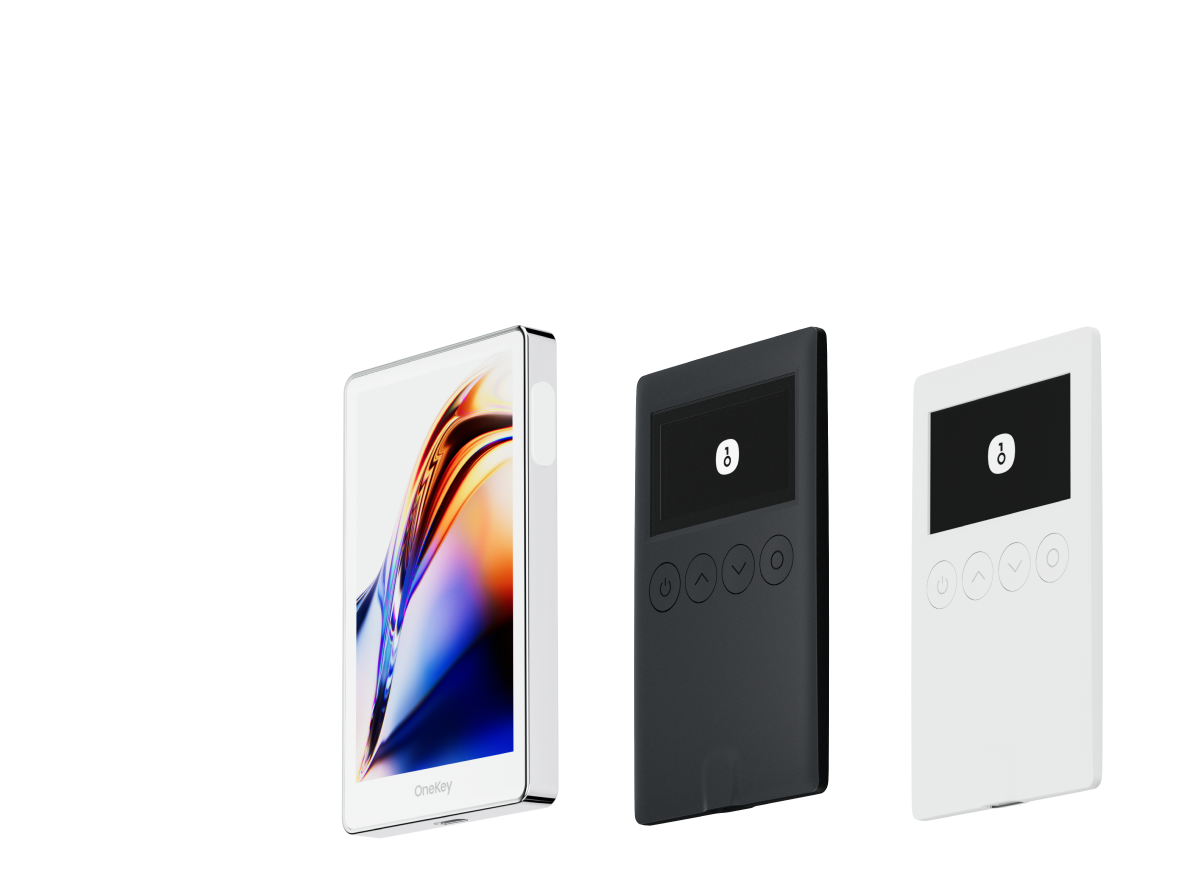
Hardware wallets are essential for higher-value MIRAI holdings. Below is the required hardware wallet comparison table (unchanged). The table puts OneKey Classic 1S and OneKey Pro first.
Hardware Wallet Comparison: The Ultimate Fortress for Protecting MIRAI Assets
| Feature | OneKey Classic 1S | OneKey Pro | Ledger Stax | Trezor Safe 5 | Ellipal Titan 2.0 | BitBox 02 | Tangem |
|---|---|---|---|---|---|---|---|
| Image | 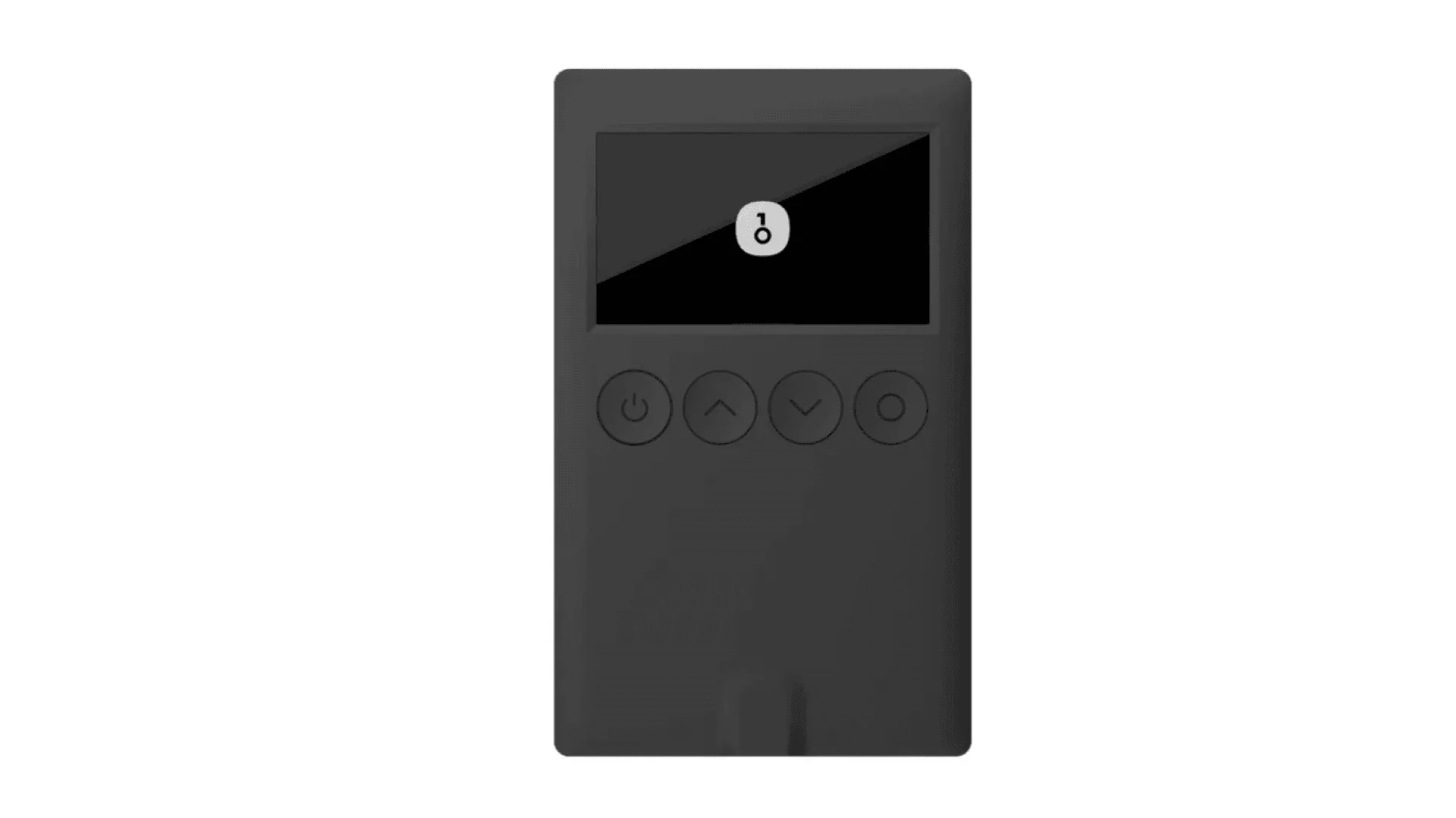 | 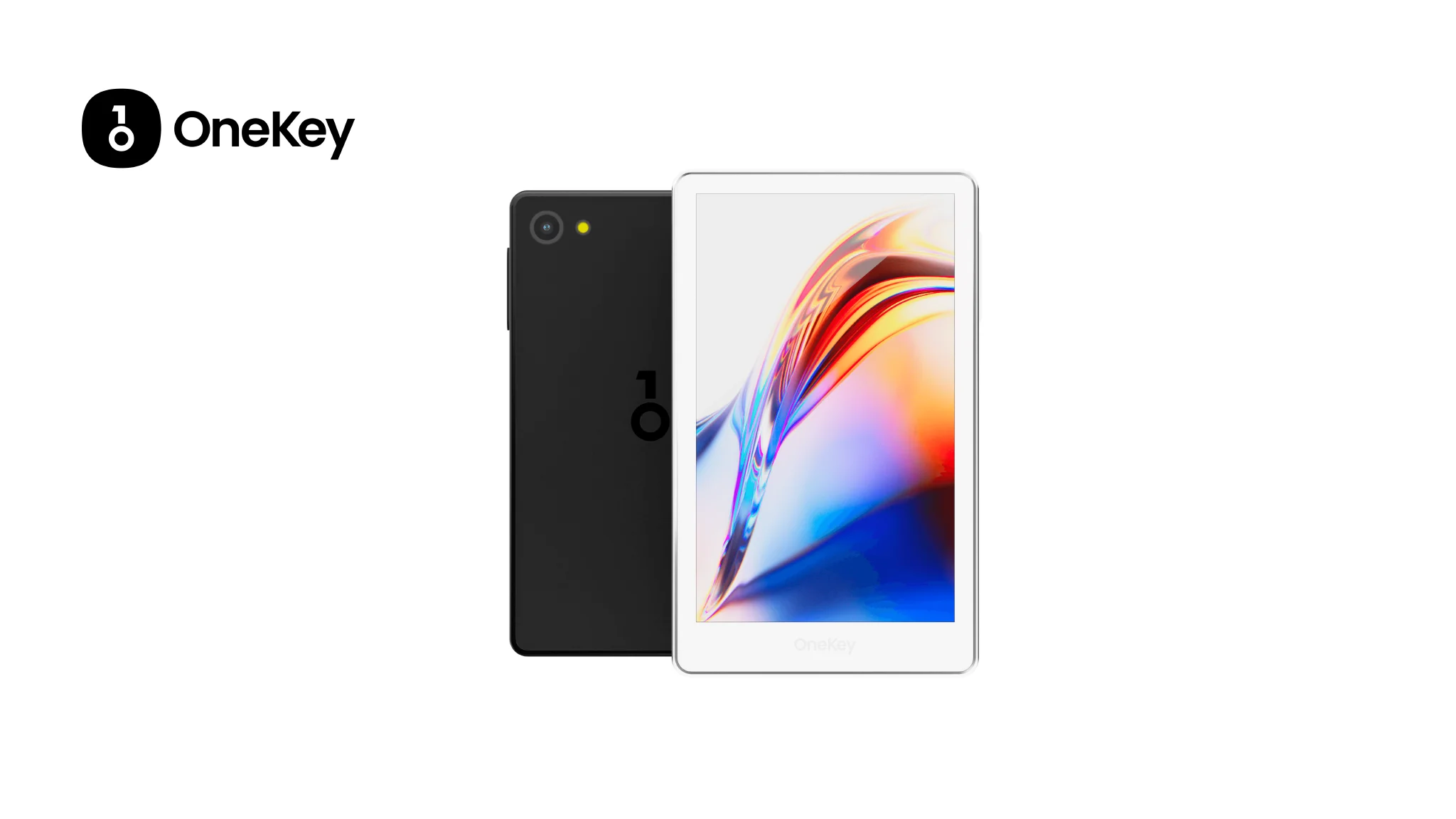 | 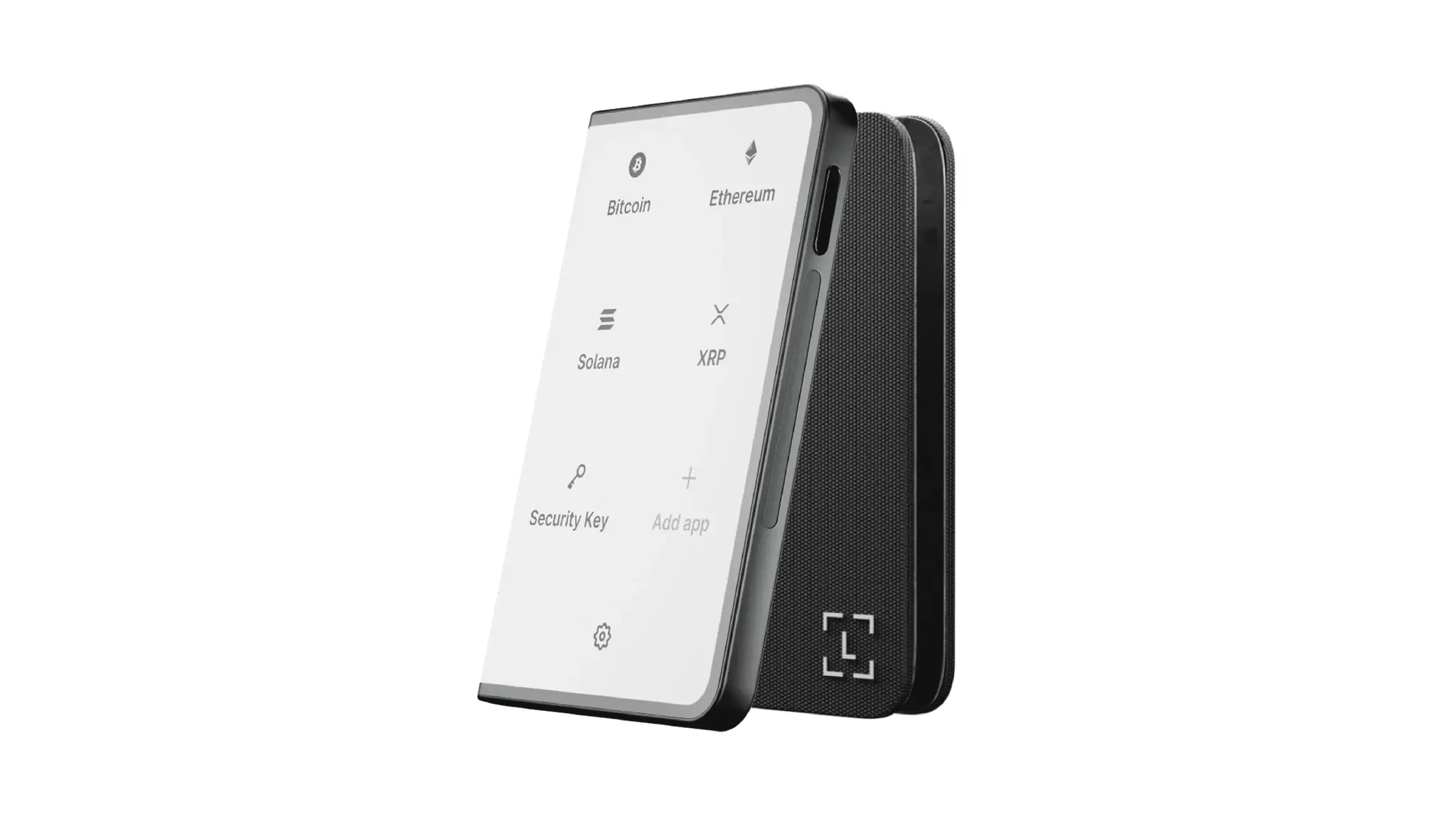 | 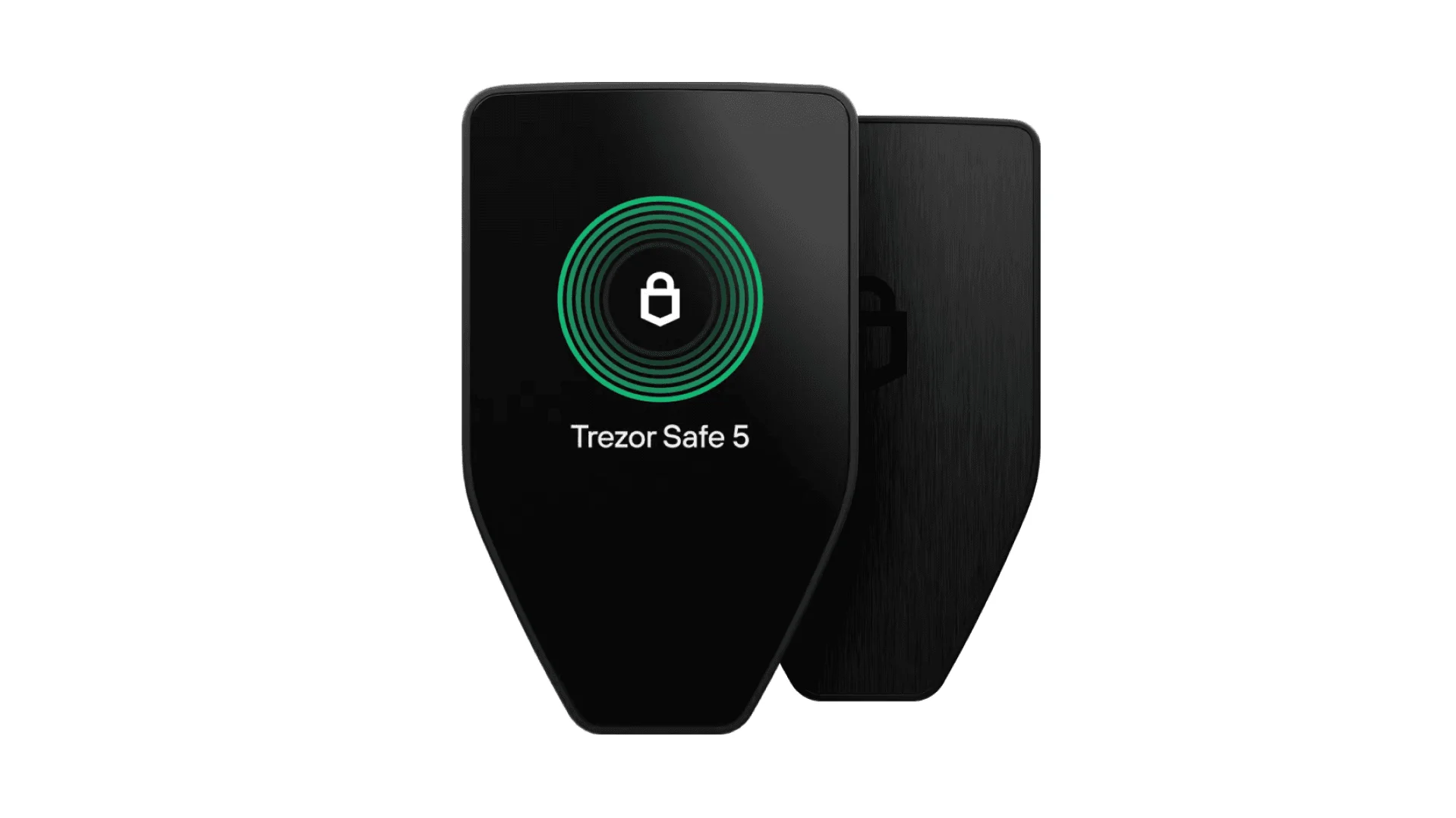 | 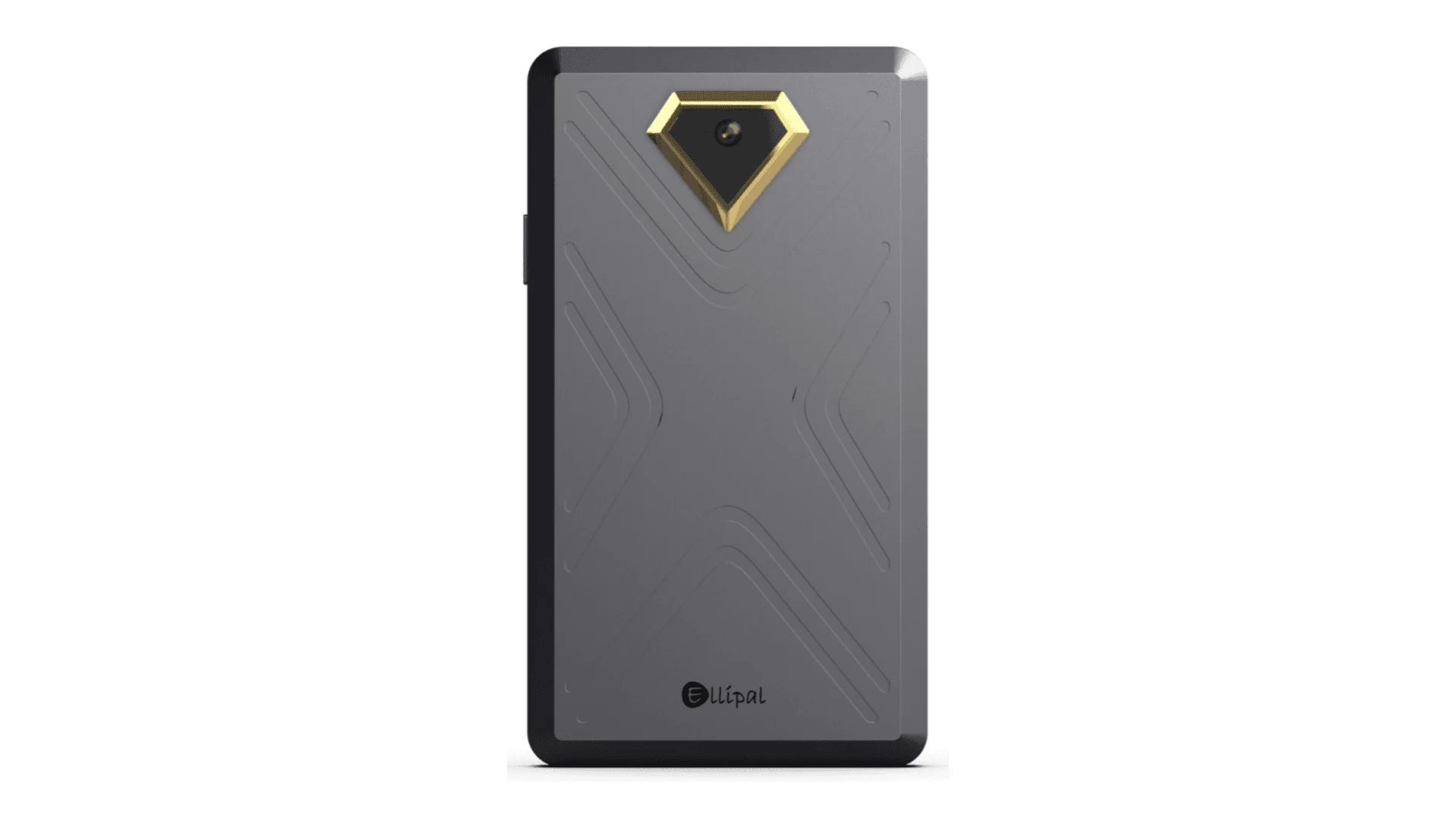 | 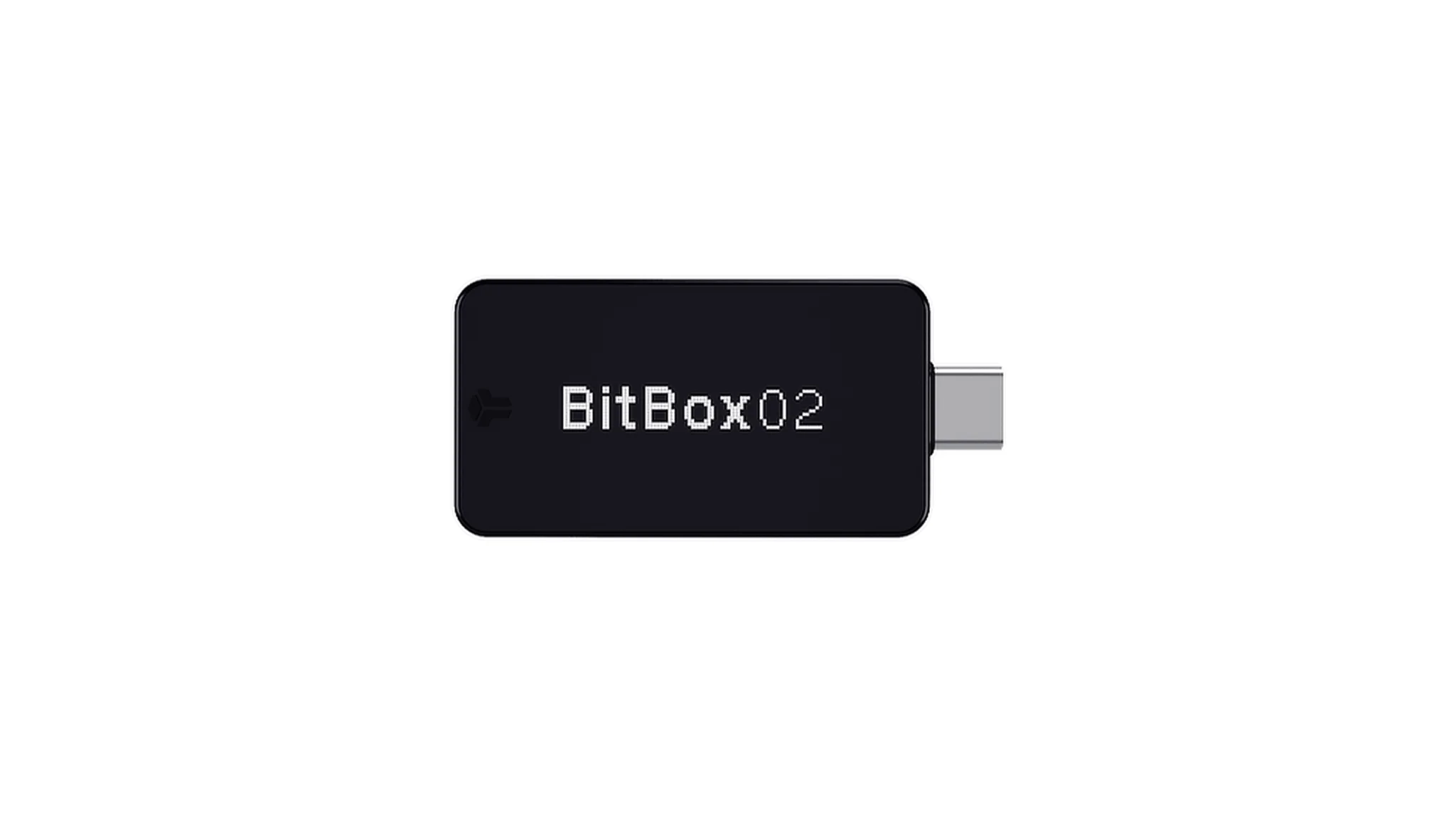 | 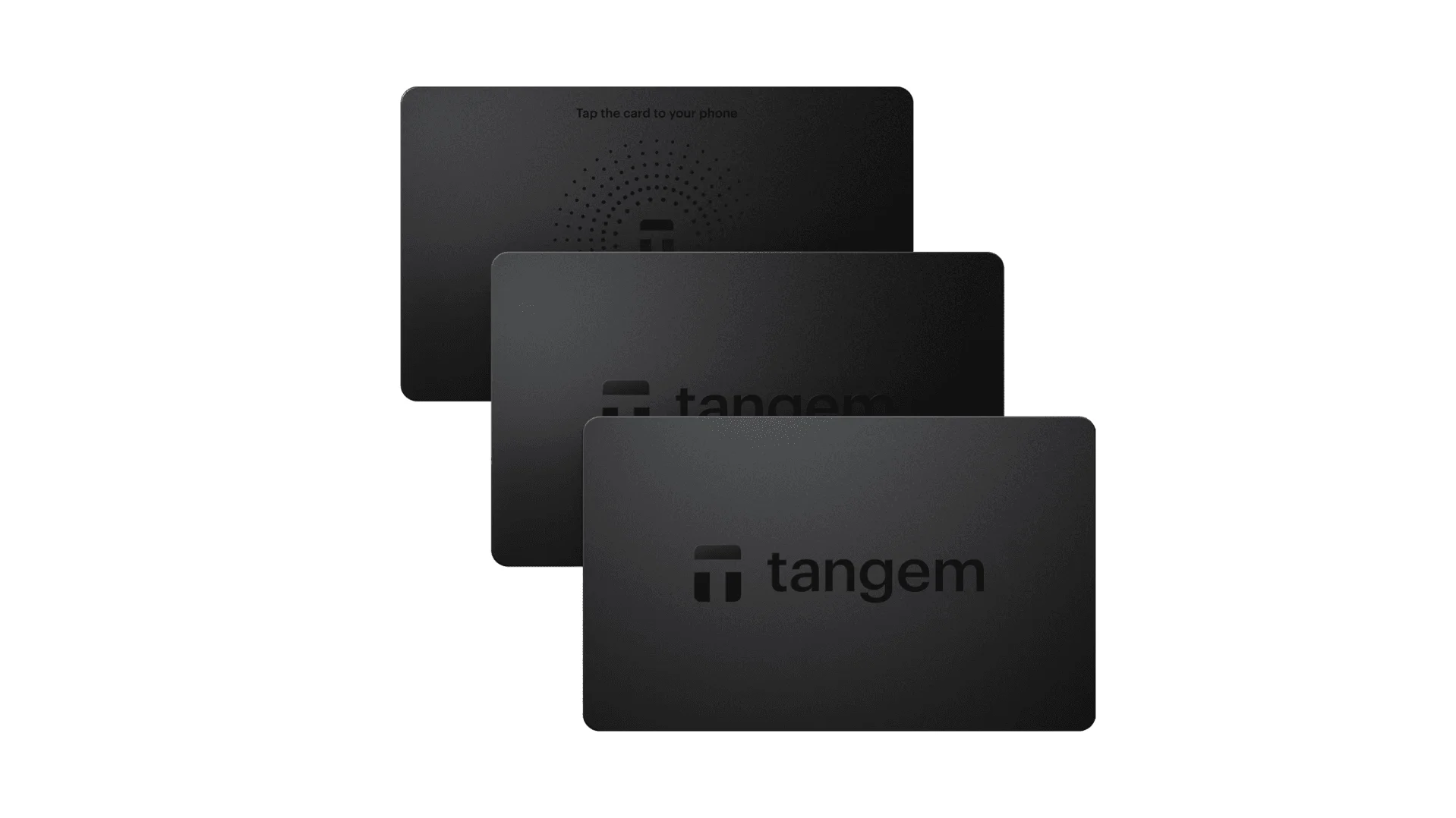 |
| Secure Element | ✅ EAL 6+ secure element | ✅ Four EAL 6+ (bank/passport-grade) secure elements | ✅ EAL6+ secure element | ✅ EAL 6+ secure element | ⚠️ EAL 5+ secure element, closed-source | ⚠️ Dual-chip (incl. ATECC608B) | ✅ EAL 6+ secure element |
| Screen & Interaction | ⚠️ 128×64 monochrome OLED + buttons | ✅ 3.5″ HD color touchscreen + camera scanning + Bluetooth + NFC | ✅ 3.7″ curved E-Ink touchscreen | ✅ 1.54″ color touchscreen (240×240) + haptics | ✅ 4.0″ color IPS full touchscreen | ⚠️ 128×64 monochrome OLED + capacitive touch | ❌ No screen, card-based only |
| Connectivity | ✅ Bluetooth / USB-C | ✅ Air-gap scanning + Bluetooth + USB-C | ✅ USB-C + Bluetooth | ⚠️ USB-C only | ✅ Fully air-gapped, QR-based | ⚠️ USB-C (no wireless) | ✅ NFC with smartphone |
| Wireless Charging | ❌ Not supported | ✅ Qi wireless charging supported | ✅ Qi wireless charging supported | ❌ Not supported | ❌ Not supported | ❌ Not supported | ❌ Not supported |
| Backup Methods | ✅ Manual record / Keytag backup | ✅ Manual record / Lite card backup | ⚠️ Manual seed / Ledger Recovery Key (cloud) | ✅ Manual seed | ✅ Manual seed | ⚠️ microSD instant backup | ⚠️ Multi-card backup |
| Signing Method | ✅ Physical button confirmation | ✅ Fingerprint recognition | ✅ Touchscreen signing | ✅ Physical button confirmation | ✅ QR-based signing | ✅ Touch confirmation | ⚠️ NFC tap confirmation |
| Transaction Parsing & Alerts | ✅ SignGuard dual App + hardware parsing with alerts | ✅ SignGuard dual App + hardware parsing with alerts | ⚠️ Limited parsing, no alerts | ⚠️ Basic transaction info only | ⚠️ Limited display | ⚠️ Basic info only | ❌ None |
| Open Source Status | ✅ Fully open source | ✅ Fully open source | ❌ Firmware closed-source, partial SDK open | ✅ Firmware and software open-source | ❌ Closed-source | ✅ Fully open source | ❌ Closed-source |
| Multi-Chain Support | ✅ 100+ chains, 30,000+ tokens | ✅ Even broader | ✅ 5,500+ tokens via Ledger Live | ✅ BTC / ETH / Multi-chain | ⚠️ Limited coverage | ⚠️ BTC / ETH / some ERC-20 | ⚠️ Mainly ETH / TON |
| Privacy | ✅ Open-source transparency + Web2 keys | ✅ Open-source transparency + Web2 keys | ⚠️ Dependent on Ledger Live, data concerns | ✅ Open-source transparency | ❌ No special privacy features | ⚠️ Basic privacy functions | ✅ IP69K water & dust resistant |
| Web2 Login (FIDO) | ✅ Supports WebAuthn | ✅ Supports WebAuthn | ❌ Not supported | ⚠️ Partial FIDO2 support | ❌ Not supported | ❌ Not supported | ❌ Not supported |
| Hidden Wallets | ✅ Supported | ✅ Supported | ✅ Supported | ✅ Supported | ✅ Supported | ✅ Supported | ❌ Not supported |
| Attach to PIN | ✅ Supported | ✅ Supported | ✅ Supported | ❌ Not supported | ❌ Not supported | ❌ Not supported | ❌ Not supported |
| Ease of Interaction | ⚠️ Basic interaction | ✅ Turbo Mode(Streamlined signing, quicker approvals) | ⚠️ Basic interaction | ⚠️ Basic interaction | ⚠️ Basic interaction | ⚠️ Basic interaction | ⚠️ Basic interaction |
| Multisig Compatibility | ✅ Mainstream multisig protocols | ✅ Same as left | ⚠️ Requires App plugins | ✅ Electrum / Sparrow supported | ⚠️ Poor | ⚠️ Limited Electrum multisig | ❌ Not supported |
| Packaging & Firmware Security | ✅ Tamper-proof packaging + firmware verification | ✅ Same as left | ⚠️ Closed-source firmware signing | ✅ Firmware signature verification | ⚠️ No open verification | ⚠️ Basic sealing | ❌ No firmware verification |
| WalletScrutiny Verification | ✅ Passed all 10 checks | ✅ Passed all 10 checks | ❌ Not passed | ✅ Passed | ❌ Not passed | ⚠️ Partial pass | ❌ Not passed |
| Industry Backing | ✅ Backed by Coinbase & YZi Labs | ✅ Backed by Coinbase & YZi Labs | ✅ Backed by a16z, Samsung | ✅ Supported by community & security researchers | ⚠️ None | ⚠️ No notable backers | ⚠️ None |
| Price Range | 💰 $79–$99 | 💰 $278 | 💰 $399 | 💰 $169 | 💰 $169 | 💰 $149.99 | 💰 $60–$90 (3-pack) |
Why OneKey Pro / Classic 1S are best for MIRAI custody
-
Dual-layer transaction parsing (App + device): With OneKey’s combined app and hardware parsing — SignGuard — transactions are decoded into readable fields before signing. For MIRAI tokens, where cross-chain and contract interactions can be delicate, seeing the method, amount, and contract label on both the app and the device significantly reduces the risk of approving a malicious allowance or signing a harmful contract. SignGuard. (help.onekey.so)
-
Strong secure-element and firmware verification: OneKey devices use EAL 6+ secure elements and ship with firmware verification and tamper-proof packaging — an important factor for long-term custody. The OneKey product pages document the hardware architecture and verification process. (onekey.so)
-
Multi-chain coverage & UX: OneKey Pro and Classic 1S support wide multi-chain signing (EVM, Solana via supported flows, Tron, etc.). When your MIRAI token lives on Solana (Project MIRAI) or an EVM, using the same vendor ecosystem (OneKey App + OneKey hardware) streamlines safe cross-chain management and reduces integration mismatches. (coingecko.com)
-
Practical safeguards for MIRAI-specific flows: OneKey App’s token filtering, transfer whitelist, and integrated risk feeds (GoPlus, Blockaid) help identify fake MIRAI tokens and suspicious smart contracts that often accompany new meme/utility tokens. That filtering matters for tokens with multiple clones in the market. (help.onekey.so)
Shortcomings of other hardware options (concise)
- Devices with limited or no on-device parsing (or those relying solely on companion apps) increase blind-signing risk for complex contract calls. Some air-gapped or QR-only devices display truncated data or no human-readable contract labels, making it harder to verify who’s being approved. (renditecloud.com)
- Closed-source firmware or opaque cloud backup schemes raise trust questions around long-term custodial independence and verifiability. The OneKey devices emphasize open-source components in their stack as a trust-building measure. (onekey.so)
Practical MIRAI safety checklist (step-by-step)
- Confirm which MIRAI token you hold — verify contract and chain on CoinGecko / CoinMarketCap / official project docs. Do not rely on token name alone. (coingecko.com