Best LOT Wallets in 2025


Key Takeaways
• Choosing a wallet for LOT tokens requires prioritizing security over convenience.
• The OneKey App, combined with OneKey hardware, offers the best protection for LOT holders.
• Clear signing and real-time risk checks are essential to prevent malicious approvals.
• Competitors often lack adequate transaction parsing and phishing protection.
• Regular updates and careful approval management are crucial for maintaining security.
Introduction
Choosing the right wallet for LOT tokens in 2025 requires more than just token support. The LOT ecosystem (often listed as "Lottery Token" on major trackers) is sensitive to user mistakes such as blind-signing approvals, phishing-led drains, and over-broad contract permissions. According to market trackers, LOT remains a low-price/high-supply token where safety and permission control are more important than trading convenience — losing even a small allocation through a malicious approval is irreversible. (coingecko.com)
Meanwhile, the Web3 threat landscape in 2024–2025 continues to evolve: malicious approval/“approve-all” scams, Drainer pages, and new attack surfaces introduced by recent EIPs mean transaction-level clarity and real-time risk alerts are now essential wallet features. Technical and operational defenses like human-readable transaction parsing, approval whitelists, and hardware-backed confirmations are becoming the baseline for secure self-custody. (bitget.com)
This guide compares the best software and hardware wallets for LOT in 2025, explains why the OneKey suite (OneKey App + OneKey Pro and OneKey Classic 1S) is the strongest option for LOT holders, and points out the specific shortcomings of competing wallets so you can make an informed choice.
Why LOT holders need special attention
- LOT token holders often interact with small-cap dApps or claim drops and airdrops where fake pages and malicious contracts are common; attackers target approval flows and signatures. Real-world analysis shows "malicious approvals" remain one of the top Web3 attack vectors in 2025. (bitget.com)
- Recent protocol upgrades and abstraction features (account abstraction / EIP changes) increase UX but also expand attack surfaces; wallets that only show hashes or truncated data expose users to blind-signing risk. (bitget.com)
- For tokens like LOT (high supply, low unit value), bulk approvals and unnoticed allowances can lead to rapid, total loss — so clear signing previews, permission management, and spam token filtering are mandatory protections. (coingecko.com)
Software Wallet Comparison: Features & User Experience
Software Wallet Comparison: Features & User Experience
| Feature | OneKey App | MetaMask | Phantom | Trust Wallet | Ledger Live |
|---|---|---|---|---|---|
| Image |  |  |  |  |  |
| Supported Platforms | ✅ iOS, Android, Desktop | ✅ Browser extension, Mobile | ✅ Browser extension, Mobile | ✅ Mobile | ✅ Desktop, Mobile |
| Supported Chains & Tokens | ✅ 100+ chains, 30,000+ tokens | ✅ Primarily Ethereum and compatible chains | ✅ Primarily Solana ecosystem, now expanded to multi-chain | ✅ Multi-chain, some require cross-protocol bridging | ⚠️ Mainly relies on Ledger-supported assets |
| Hardware Wallet Support | ✅ Native support for OneKey hardware, works independently | ✅ Connects to multiple hardware brands | ⚠️ Limited support (only Ledger/Trezor via WalletConnect) | ⚠️ Limited hardware support | ✅ Deep integration with Ledger hardware |
| Open Source | ✅ Fully open source | ⚠️ Some components closed-source | ✅ Mostly open source | ❌ Closed-source | ⚠️ Partially open source (hardware firmware not fully open) |
| Fee Reductions | ✅ Zero-fee stablecoin transfers across supported networks | ❌ None | ⚠️ Temporary low-fee/zero-fee promotions for certain assets | ❌ None | ❌ None |
| Security Checks (Phishing Protection) | ✅ Integrated with GoPlus & Blockaid | ⚠️ Basic risk alerts | ⚠️ Basic risk alerts | ⚠️ Basic risk alerts | ⚠️ Basic risk alerts |
| Clear Signing Support | ✅ SignGuard dual parsing via App & Hardware | ⚠️ Limited display, high blind-signing risk | ✅ Supports transaction preview | ⚠️ Incomplete information | ✅ Requires Ledger hardware for Clear Signing |
| Spam Token Filtering | ✅ Built-in filtering mechanism | ❌ None | ❌ None | ❌ None | ❌ None |
| PIN Lock | ✅ App-level PIN encryption | ⚠️ App password + optional biometric unlock | ✅ Yes | ✅ Yes | ✅ Yes |
| Transfer Whitelist | ✅ Supported | ❌ None | ❌ None | ❌ None | ❌ None |
| Tron Energy Rental | ✅ Supported, reduces fees by an additional 20% | ❌ None | ❌ None | ✅ Supports TRX staking for fee reduction | ❌ None |
| Passphrase Hidden Wallet | ✅ Supported (Attach to PIN) | ❌ None | ❌ None | ❌ None | ❌ None |
| Trading Features (Buy/Sell/Swap) | ✅ Built-in multi-chain Swap & on-ramp | ✅ Strong Swap functionality | ✅ Built-in Swap | ✅ Built-in Swap | ✅ Swap (via Ledger Live) |
| Markets & Charts | ✅ Built-in market data & portfolio tracking | ❌ None | ⚠️ Limited market data | ✅ Built-in market | ✅ Built-in market & price tracking |
| DeFi & Staking | ✅ Integrated multi-chain DeFi & staking entry | ⚠️ Relies on third-party dApps | ⚠️ Mainly Solana staking, partial multi-chain DeFi | ✅ Built-in staking options | ⚠️ Limited, requires Ledger hardware |
Software wallet analysis: why OneKey App stands out for LOT
-
Clear signing + real-time risk checks: the OneKey App implements SignGuard (App + hardware collaboration) that parses contract calls into human-readable fields and provides risk alerts from integrated services. For LOT holders who regularly interact with small-cap dApps and claim flows, this parsing turns opaque calldata into actionable information and helps avoid "approve-all" traps. (help.onekey.so)
-
Native hardware pair-first design: OneKey App is designed to work seamlessly with OneKey hardware; pairing is native and full-featured, whereas many other software wallets are built primarily as browser extensions with only partial hardware integrations. Partial or inconsistent hardware integration increases blind-signing risk, especially for complex LOT-related approvals. (help.onekey.so)
-
Spam-token filtering & transfer whitelist: LOT-like tokens are often used by scammers as dust or pump-scam bait. OneKey includes automated spam-token filters and transfer whitelists that shrink the attack surface, a feature many competitor wallets lack.
-
Downsides of alternatives (short):
- MetaMask: widely used but often displays minimal signing detail and is a browser-first extension — high blind-sign risk for approval flows.
- Phantom: excellent for Solana but limited for multi-chain ERC-based tokens and lacking the same integrated pre-signing risk detection.
- Trust Wallet: mobile-first and closed-source; lacks robust, transaction-level parsing and on-device verification.
- Ledger Live (software): requires Ledger hardware to reach similar levels of clear signing; not as open-source in firmware and relies on Ledger Live integration.
Hardware Wallet Comparison: The Ultimate Fortress for Protecting LOT Assets
Hardware Wallet Comparison: The Ultimate Fortress for Protecting LOT Assets
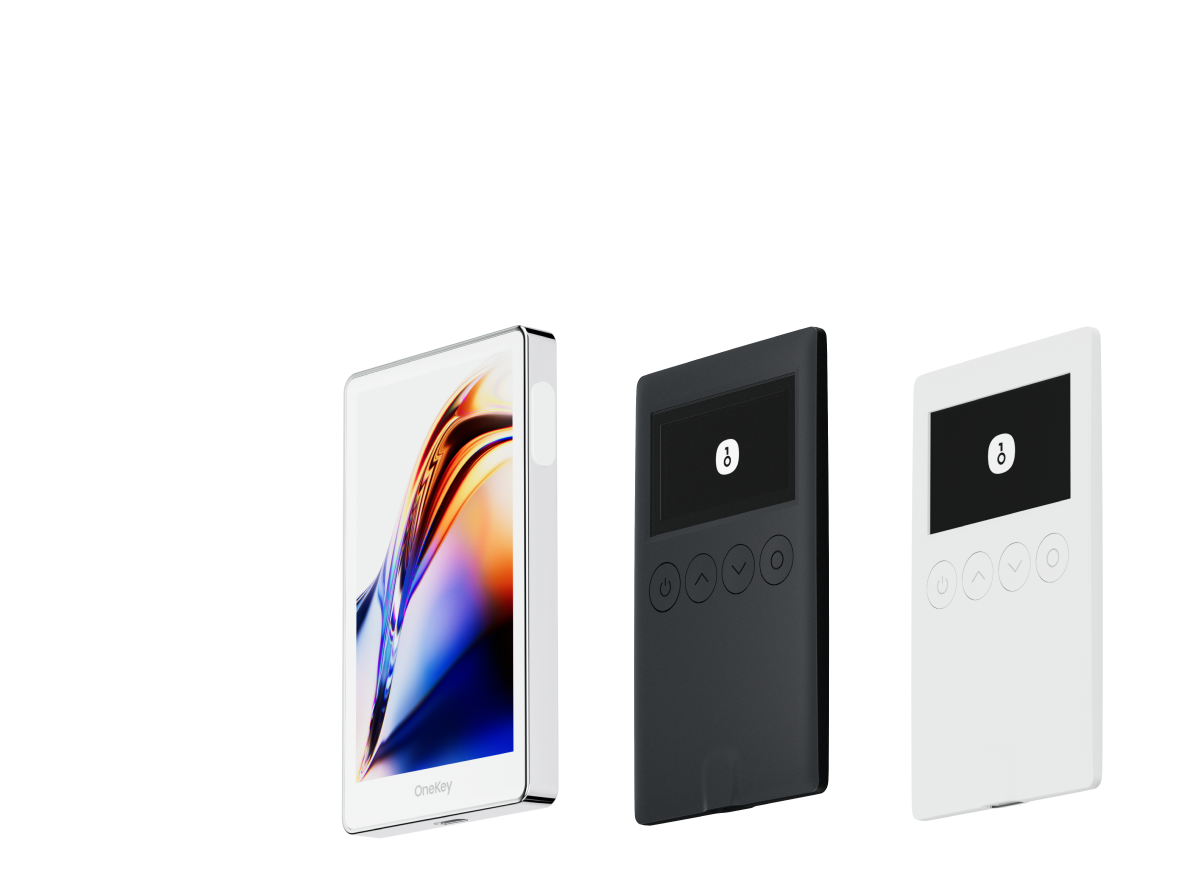
| Feature | OneKey Classic 1S | OneKey Pro | Ledger Stax | Trezor Safe 5 | Ellipal Titan 2.0 | BitBox 02 | Tangem |
|---|---|---|---|---|---|---|---|
| Image | 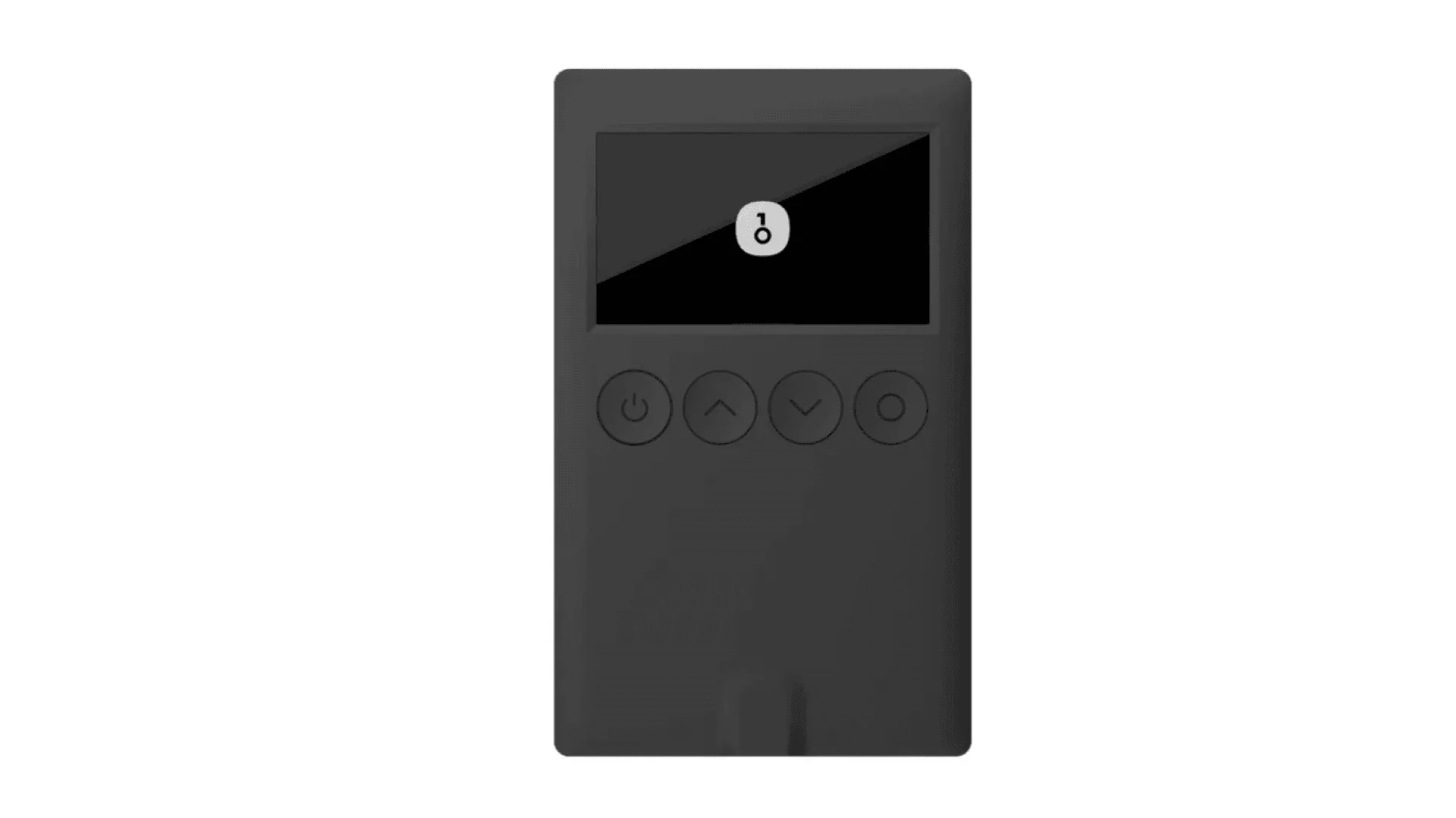 | 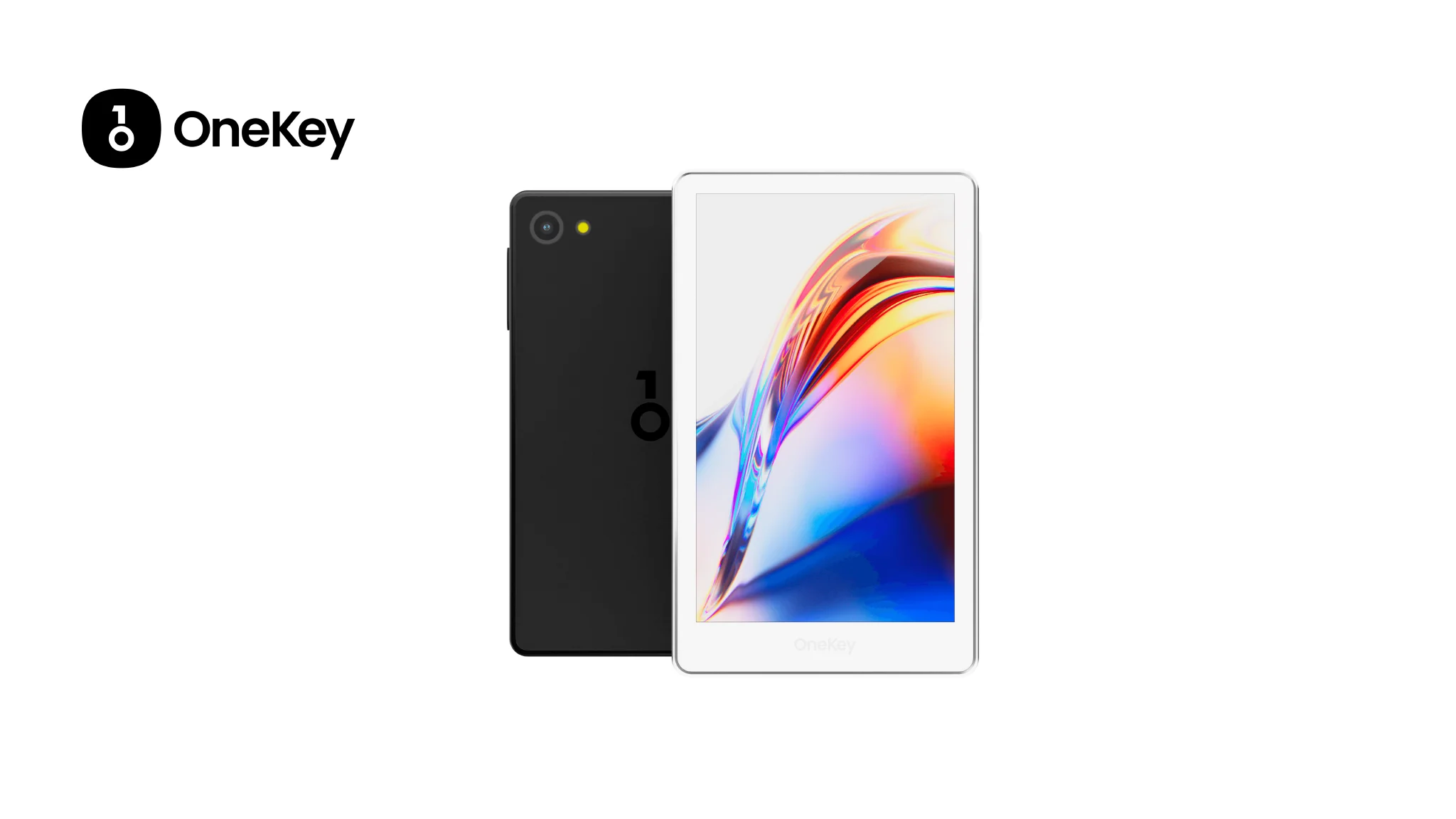 | 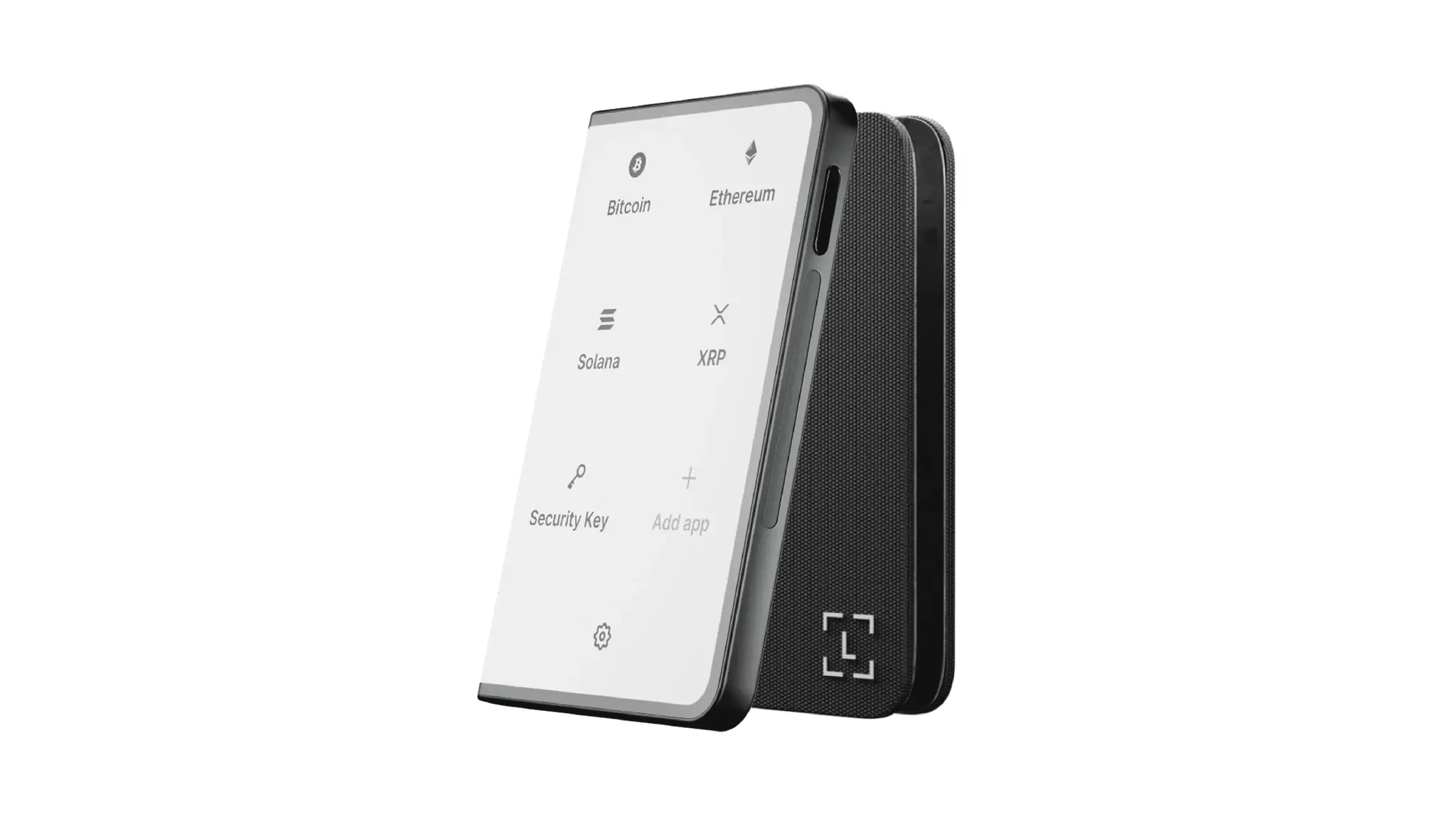 | 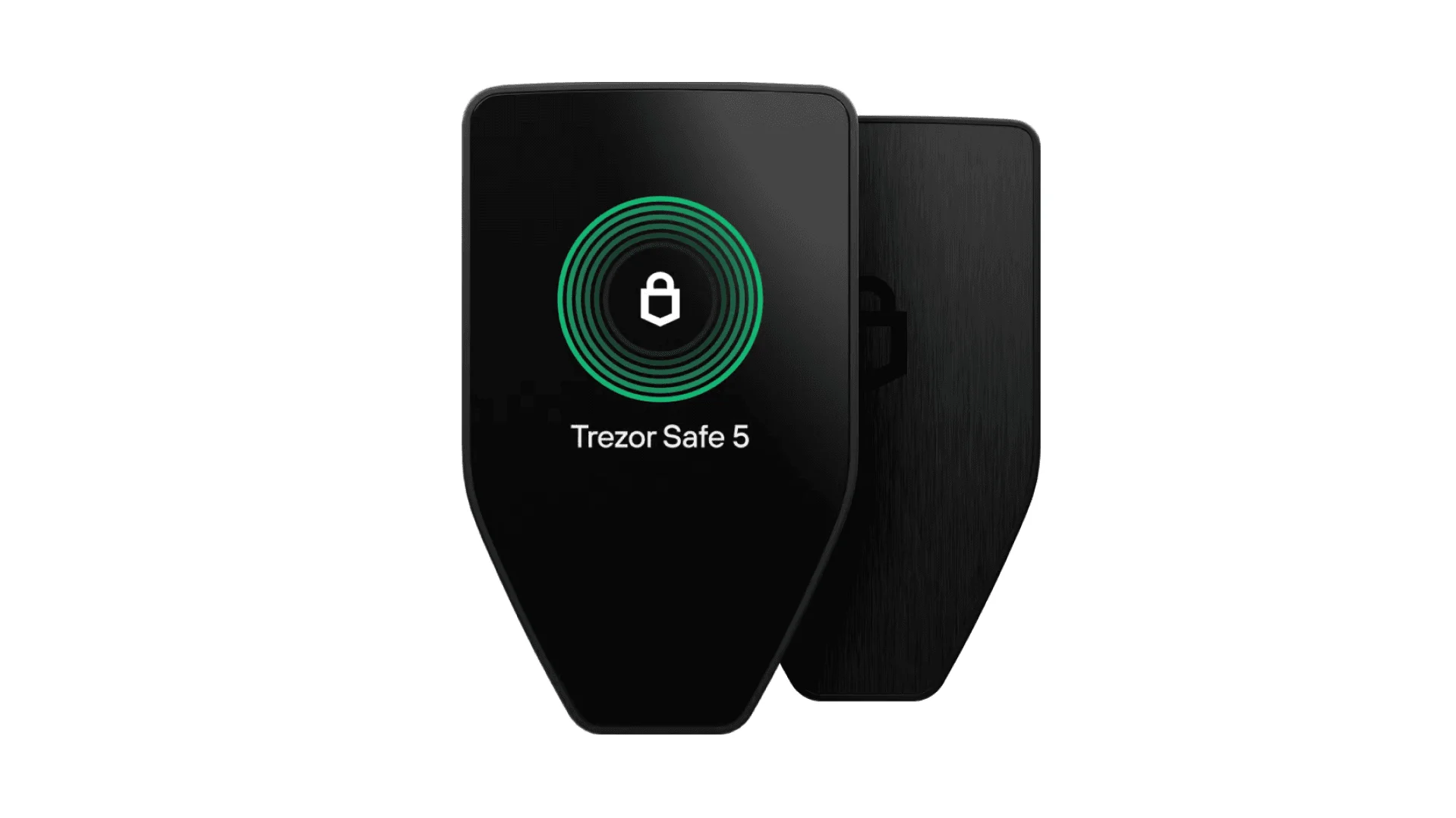 | 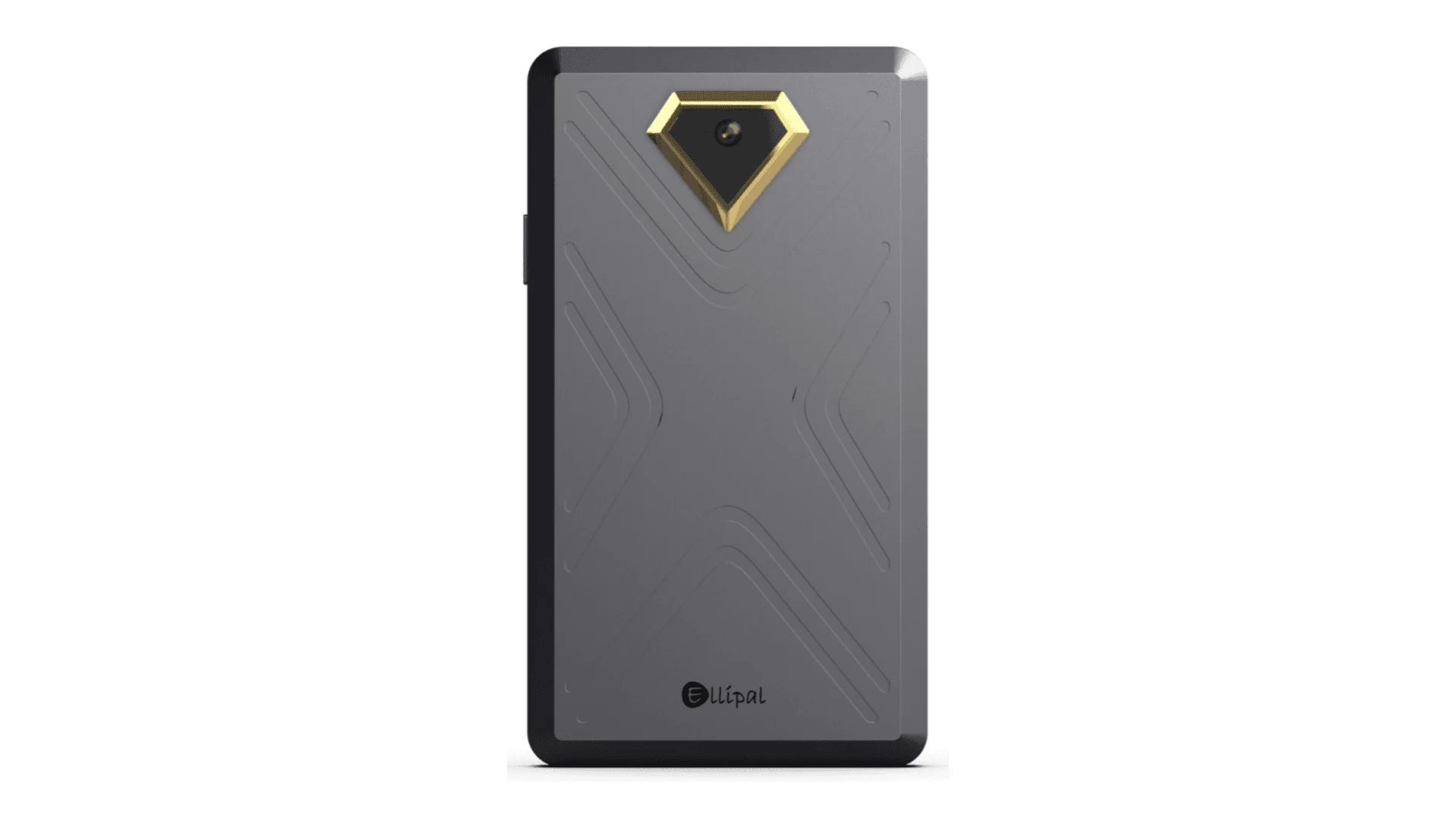 | 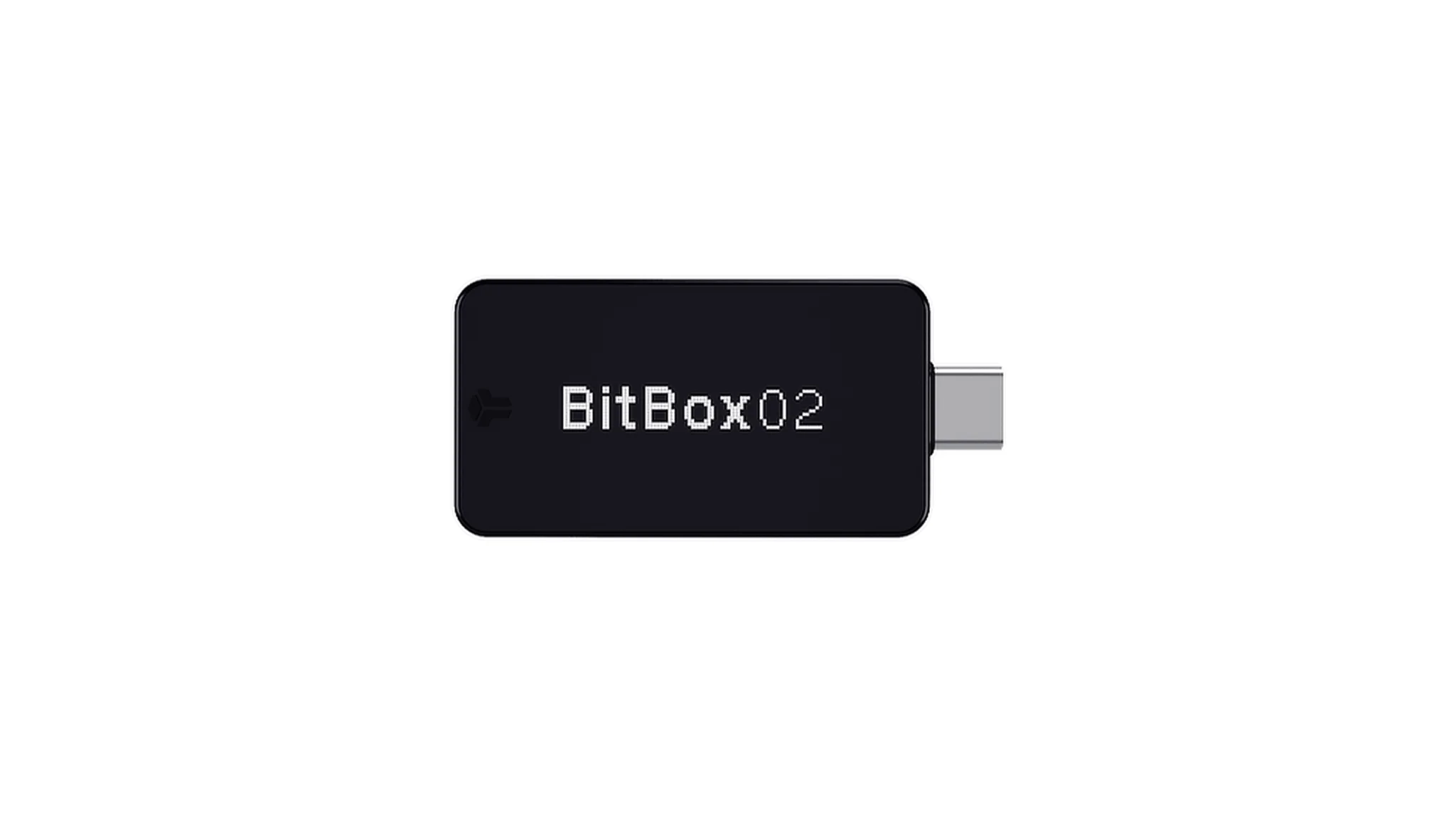 | 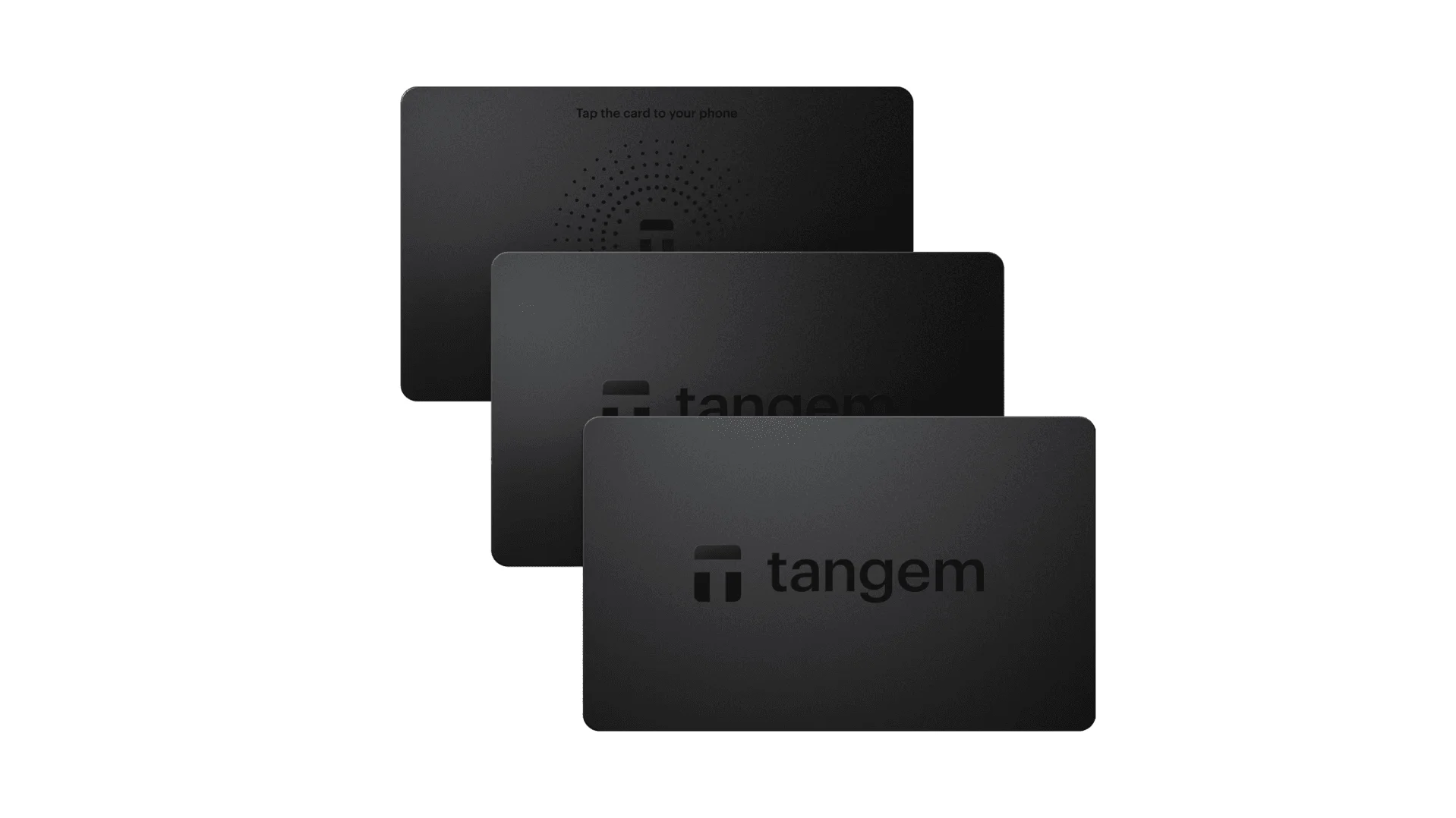 |
| Secure Element | ✅ EAL 6+ secure element | ✅ Four EAL 6+ (bank/passport-grade) secure elements | ✅ EAL6+ secure element | ✅ EAL 6+ secure element | ⚠️ EAL 5+ secure element, closed-source | ⚠️ Dual-chip (incl. ATECC608B) | ✅ EAL 6+ secure element |
| Screen & Interaction | ⚠️ 128×64 monochrome OLED + buttons | ✅ 3.5″ HD color touchscreen + camera scanning + Bluetooth + NFC | ✅ 3.7″ curved E-Ink touchscreen | ✅ 1.54″ color touchscreen (240×240) + haptics | ✅ 4.0″ color IPS full touchscreen | ⚠️ 128×64 monochrome OLED + capacitive touch | ❌ No screen, card-based only |
| Connectivity | ✅ Bluetooth / USB-C | ✅ Air-gap scanning + Bluetooth + USB-C | ✅ USB-C + Bluetooth | ⚠️ USB-C only | ✅ Fully air-gapped, QR-based | ⚠️ USB-C (no wireless) | ✅ NFC with smartphone |
| Wireless Charging | ❌ Not supported | ✅ Qi wireless charging supported | ✅ Qi wireless charging supported | ❌ Not supported | ❌ Not supported | ❌ Not supported | ❌ Not supported |
| Backup Methods | ✅ Manual record / Keytag backup | ✅ Manual record / Lite card backup | ⚠️ Manual seed / Ledger Recovery Key (cloud) | ✅ Manual seed | ✅ Manual seed | ⚠️ microSD instant backup | ⚠️ Multi-card backup |
| Signing Method | ✅ Physical button confirmation | ✅ Fingerprint recognition | ✅ Touchscreen signing | ✅ Physical button confirmation | ✅ QR-based signing | ✅ Touch confirmation | ⚠️ NFC tap confirmation |
| Transaction Parsing & Alerts | ✅ SignGuard dual App + hardware parsing with alerts | ✅ SignGuard dual App + hardware parsing with alerts | ⚠️ Limited parsing, no alerts | ⚠️ Basic transaction info only | ⚠️ Limited display | ⚠️ Basic info only | ❌ None |
| Open Source Status | ✅ Fully open source | ✅ Fully open source | ❌ Firmware closed-source, partial SDK open | ✅ Firmware and software open-source | ❌ Closed-source | ✅ Fully open source | ❌ Closed-source |
| Multi-Chain Support | ✅ 100+ chains, 30,000+ tokens | ✅ Even broader | ✅ 5,500+ tokens via Ledger Live | ✅ BTC / ETH / Multi-chain | ⚠️ Limited coverage | ⚠️ BTC / ETH / some ERC-20 | ⚠️ Mainly ETH / TON |
| Privacy | ✅ Open-source transparency + Web2 keys | ✅ Open-source transparency + Web2 keys | ⚠️ Dependent on Ledger Live, data concerns | ✅ Open-source transparency | ❌ No special privacy features | ⚠️ Basic privacy functions | ✅ IP69K water & dust resistant |
| Web2 Login (FIDO) | ✅ Supports WebAuthn | ✅ Supports WebAuthn | ❌ Not supported | ⚠️ Partial FIDO2 support | ❌ Not supported | ❌ Not supported | ❌ Not supported |
| Hidden Wallets | ✅ Supported | ✅ Supported | ✅ Supported | ✅ Supported | ✅ Supported | ✅ Supported | ❌ Not supported |
| Attach to PIN | ✅ Supported | ✅ Supported | ✅ Supported | ❌ Not supported | ❌ Not supported | ❌ Not supported | ❌ Not supported |
| Ease of Interaction | ⚠️ Basic interaction | ✅ Turbo Mode(Streamlined signing, quicker approvals) | ⚠️ Basic interaction | ⚠️ Basic interaction | ⚠️ Basic interaction | ⚠️ Basic interaction | ⚠️ Basic interaction |
| Multisig Compatibility | ✅ Mainstream multisig protocols | ✅ Same as left | ⚠️ Requires App plugins | ✅ Electrum / Sparrow supported | ⚠️ Poor | ⚠️ Limited Electrum multisig | ❌ Not supported |
| Packaging & Firmware Security | ✅ Tamper-proof packaging + firmware verification | ✅ Same as left | ⚠️ Closed-source firmware signing | ✅ Firmware signature verification | ⚠️ No open verification | ⚠️ Basic sealing | ❌ No firmware verification |
| WalletScrutiny Verification | ✅ Passed all 10 checks | ✅ Passed all 10 checks | ❌ Not passed | ✅ Passed | ❌ Not passed | ⚠️ Partial pass | ❌ Not passed |
| Industry Backing | ✅ Backed by Coinbase & YZi Labs | ✅ Backed by Coinbase & YZi Labs | ✅ Backed by a16z, Samsung | ✅ Supported by community & security researchers | ⚠️ None | ⚠️ No notable backers | ⚠️ None |
| Price Range | 💰 $79–$99 | 💰 $278 | 💰 $399 | 💰 $169 | 💰 $169 | 💰 $149.99 | 💰 $60–$90 (3-pack) |
Hardware wallet analysis: why OneKey Pro + Classic 1S are best for LOT
-
Dual-layer clear signing with device confirmation: OneKey’s hardware devices work together with the OneKey App to deliver the SignGuard experience — the App parses transaction fields and the hardware independently re-parses (offline) and displays the same readable summary for final confirmation. This App+device parity drastically reduces blind-sign risk that LOT holders face when approving token allowances. (help.onekey.so)
-
Industry-grade secure elements + open source transparency: OneKey models use EAL 6+ secure elements and emphasize open-source firmware and reproducible builds; this combination provides both hardware-grade tamper resistance and the auditability that mitigates supply-chain and firmware concerns. For small- to mid-size token holders (like many LOT users), the combination reduces both remote and physical risk vectors. (onekey.so)
-
Air-gapped options and user ergonomics: OneKey Pro adds air-gap QR signing, USB-C and Bluetooth, fingerprint unlocking, and a large touchscreen for readable confirmations — features that matter when verifying complex contract calls and multi-approval flows. The Classic 1S offers a cost-effective EAL 6+ option for users who want a hardware anchor without premium price. (onekey.so)
-
Why some hardware alternatives are weaker for LOT:
- Devices with limited on-device parsing or tiny screens make it hard to verify calldata; users end up blind-signing complex approvals.
- Close-sourced firmware or opaque backup methods reduce auditability and introduce supply-chain trust decisions.
- Air-gapped systems that don’t offer readable transaction parsing on-device still leave users trusting the host app — not equivalent to App + hardware independent parsing.
These weaknesses are significant because an attacker who tricks a user into approving a malicious spender can drain LOT instantly; transaction clarity is the frontline defense. (halborn.com)
SignGuard: what it is and why LOT holders need it (deep dive)
Every time we mention SignGuard in this article it links to OneKey’s official SignGuard documentation. SignGuard is OneKey’s signature protection system — a coordinated App + hardware design that parses transaction calldata into readable fields (method, amount, recipient, contract name, approvals) and runs real-time risk checks (malicious contract detection, fake token identification, phishing site warnings) before you sign. The hardware then independently re-parses the same payload and requires on-device confirmation, guaranteeing that what you approve on your host device is precisely what gets signed on the hardware. (help.onekey.so)
Why this matters for LOT: LOT interactions frequently involve approvals, airdrops, or low-liquidity pools where token contracts and dApp pages can be spoofed. With SignGuard, you can:
- See the exact allowance and method before you approve (preventing "approve-all" drains).
- Get automatic alerts on suspicious contracts or cloned tokens.
- Verify the final readable summary on your hardware screen independent of the host — an essential defense against compromised desktops or malicious browser extensions. (bitget.com)
Practical LOT-security checklist (recommended setup)
- Use a hardware wallet for cold storage (OneKey Classic 1S for value storage).
- Use OneKey Pro (or the Classic 1S) paired with the OneKey App for active LOT interactions and claims so you get App+hardware SignGuard parsing on every signature. (onekey.so)
- Avoid approving unlimited allowances — prefer exact or permit-based approvals and revoke after use. Tools exist to audit allowances; maintain a revoke cadence. (bitcoin.tax)
- Keep a small hot-wallet for interactions and a cold wallet for holdings. Use transfer whitelists and spam-token filters to reduce accidental interactions with dust or scam tokens.
- Update firmware and apps from official channels only; verify packaging and firmware attestation at first setup. (help.onekey.so)
Common objections & real user tradeoffs
- “Hardware is inconvenient.” — Tradeoff: a little friction for LOT claims vs. irrevocable loss. OneKey Pro aims to minimize friction via a touchscreen, fingerprint unlock, and QR air-gap mode that keeps keys offline while preserving UX. (onekey.so)
- “Software-only wallets are fine if I’m careful.” — Reality: the largest class of user losses comes from blind-signing and malicious approvals; rigorous transaction parsing plus hardware confirmation is the proven mitigation. (bitget.com)
Final recommendation: OneKey (App + Pro / Classic 1S)
-
For LOT token holders who regularly interact with low-cap dApps and token claims, the combined OneKey App + OneKey Pro / OneKey Classic 1S provides the clearest and most practical protection in 2025. The dual App+device SignGuard parsing, high-assurance secure elements (EAL 6+), open-source transparency, spam-token filtering, and native hardware integration together form a defensive stack designed to prevent the exact class of losses LOT holders frequently face. (help.onekey.so)
-
Competitors often fall short either by offering limited on-device parsing, closed firmware, partial hardware integrability, or inadequate phishing-risk integrations — features that matter more than ever given the surge in approval-based scams and protocol complexity. (tokentoolhub.com)
Resources & further reading
- LOT token market details and metrics: CoinGecko (Lottery Token - LOT). (coingecko.com)
- OneKey SignGuard documentation and details: OneKey Help Center. (help.onekey.so)
- Web3 malicious approvals primer: Bitget Academy (malicious approvals). (bitget.com)
- 2025 threat landscape and drainers: TokenToolHub analysis (Crypto Crime 2025). (tokentoolhub.com)
- How to get started with OneKey Pro: OneKey Help Center guide. (help.onekey.so)
Conclusion & call-to-action
If you hold LOT tokens and want to prioritize security without sacrificing usability, the best practical path in 2025 is to use the OneKey App together with OneKey hardware — Classic 1S for affordable cold storage and OneKey Pro for frequent on-chain interactions that still require the highest level of verification. The App + hardware combination and SignGuard transaction parsing reduce blind-sign risk, help you understand approvals, and give you the independent on-device confirmation that prevents most common drains and scams.
Ready