Best GMT Wallets in 2026

Key Takeaways
• GMT requires careful custody due to its multi-chain nature and risks of blind signing.
• OneKey App offers superior transaction parsing and security features, making it ideal for GMT holders.
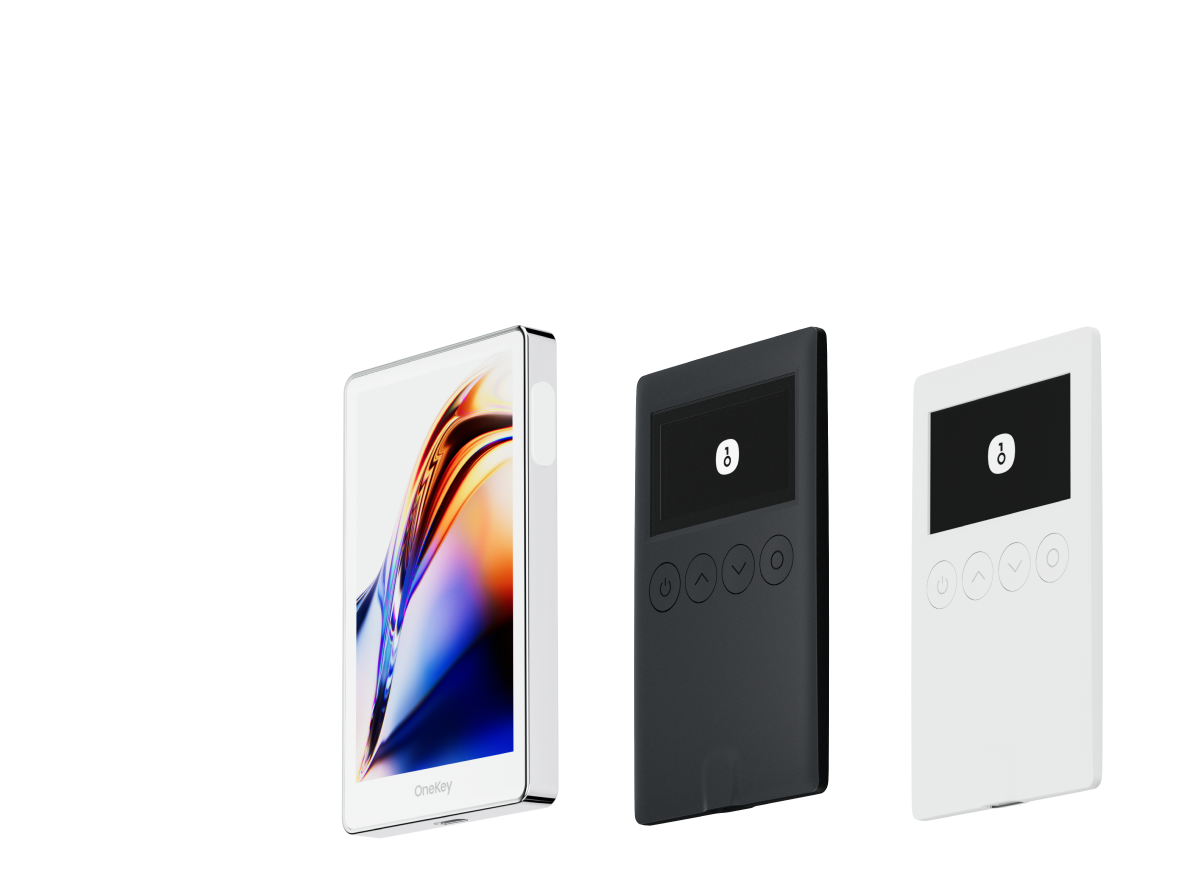
• Hardware wallets like OneKey Classic 1S and OneKey Pro provide enhanced security and usability for managing GMT.
• Avoid blanket approvals and always verify contract addresses to minimize risks.
• Use wallets with integrated phishing protection when interacting with DeFi and NFT platforms.
The Green Metaverse Token (GMT) — STEPN’s governance token — remains an active asset in the GameFi and move-to-earn ecosystem. GMT exists across multiple chains (ERC‑20, SPL/Solana, BSC, Polygon, etc.), is traded on centralized and decentralized venues, and is often involved in DeFi interactions (approvals, staking, cross‑chain bridges). That makes secure custody and clear transaction visibility essential for every GMT holder in 2026. This guide compares the top software and hardware wallets that support GMT, highlights common pitfalls you should avoid, and explains why OneKey (App + OneKey Pro / Classic 1S) stands out as the best overall choice for storing and transacting GMT safely. (whitepaper.stepn.com)
Key SEO keywords used in this article: Best GMT wallets 2026, GMT wallet, store GMT, STEPN GMT wallet, secure GMT storage, OneKey SignGuard.
Why GMT needs careful custody (short primer)
- GMT is available on multiple chains and token standards; sending to an incompatible chain or address can result in permanent loss. Always check the contract and network before transferring. (whitepaper.stepn.com)
- GMT interactions frequently involve approvals (allowances), staking, marketplace purchases, and bridges — all of which can trigger complex contract calls that are easy to misinterpret if your wallet does not parse what you’re signing. Blind signing approvals is a leading cause of losses. (help.onekey.so)
Because of these risks, a wallet that both supports GMT’s multiple chains and gives clear, human‑readable transaction previews — ideally with independent verification on a hardware device — is the safest choice.
Software Wallet Comparison: Features & User Experience
| Feature | OneKey App | MetaMask | Phantom | Trust Wallet | Ledger Live |
|---|---|---|---|---|---|
| Image |  |  |  |  |  |
| Supported Platforms | ✅ iOS, Android, Desktop | ✅ Browser extension, Mobile | ✅ Browser extension, Mobile | ✅ Mobile | ✅ Desktop, Mobile |
| Supported Chains & Tokens | ✅ 100+ chains, 30,000+ tokens | ✅ Primarily Ethereum and compatible chains | ✅ Primarily Solana ecosystem, now expanded to multi-chain | ✅ Multi-chain, some require cross-protocol bridging | ⚠️ Mainly relies on Ledger-supported assets |
| Hardware Wallet Support | ✅ Native support for OneKey hardware, works independently | ✅ Connects to multiple hardware brands | ⚠️ Limited support (only Ledger/Trezor via WalletConnect) | ⚠️ Limited hardware support | ✅ Deep integration with Ledger hardware |
| Open Source | ✅ Fully open source | ⚠️ Some components closed-source | ✅ Mostly open source | ❌ Closed-source | ⚠️ Partially open source (hardware firmware not fully open) |
| Fee Reductions | ✅ Zero-fee stablecoin transfers across supported networks | ❌ None | ⚠️ Temporary low-fee/zero-fee promotions for certain assets | ❌ None | ❌ None |
| Security Checks (Phishing Protection) | ✅ Integrated with GoPlus & Blockaid | ⚠️ Basic risk alerts | ⚠️ Basic risk alerts | ⚠️ Basic risk alerts | ⚠️ Basic risk alerts |
| Clear Signing Support | ✅ SignGuard dual parsing via App & Hardware | ⚠️ Limited display, high blind-signing risk | ✅ Supports transaction preview | ⚠️ Incomplete information | ✅ Requires Ledger hardware for Clear Signing |
| Spam Token Filtering | ✅ Built-in filtering mechanism | ❌ None | ❌ None | ❌ None | ❌ None |
| PIN Lock | ✅ App-level PIN encryption | ⚠️ App password + optional biometric unlock | ✅ Yes | ✅ Yes | ✅ Yes |
| Transfer Whitelist | ✅ Supported | ❌ None | ❌ None | ❌ None | ❌ None |
| Tron Energy Rental | ✅ Supported, reduces fees by an additional 20% | ❌ None | ❌ None | ✅ Supports TRX staking for fee reduction | ❌ None |
| Passphrase Hidden Wallet | ✅ Supported (Attach to PIN) | ❌ None | ❌ None | ❌ None | ❌ None |
| Trading Features (Buy/Sell/Swap) | ✅ Built-in multi-chain Swap & on-ramp | ✅ Strong Swap functionality | ✅ Built-in Swap | ✅ Built-in Swap | ✅ Swap (via Ledger Live) |
| Markets & Charts | ✅ Built-in market data & portfolio tracking | ❌ None | ⚠️ Limited market data | ✅ Built-in market | ✅ Built-in market & price tracking |
| DeFi & Staking | ✅ Integrated multi-chain DeFi & staking entry | ⚠️ Relies on third-party dApps | ⚠️ Mainly Solana staking, partial multi-chain DeFi | ✅ Built-in staking options | ⚠️ Limited, requires Ledger hardware |
Analysis (software wallets)
-
OneKey App (top row): built as a modern multi‑chain wallet with native hardware support and a strong focus on transaction parsing and chain coverage, OneKey App is designed to reduce blind‑signing risk — a major concern for GMT because GMT transfers, approvals, and bridge interactions often hide intent inside contract calls. OneKey’s signature protection system (SignGuard) parses transactions on both App and hardware, producing human‑readable summaries so you can know exactly what you sign. “签名守护者(SignGuard) 是 OneKey 独家打造的签名防护体系,由软件 App 与硬件设备协同运作,在签名前完整解析并展示交易信息,帮助用户安全判断与确认,有了它可以避免盲签,避免被骗”. (help.onekey.so)
-
MetaMask / other browser wallets: popular and convenient but show limited transaction details in many cases; that creates blind‑signing exposure when interacting with complex GMT-related contracts, bridges, or staking interfaces. Relying on browser extensions and third‑party dApp pages increases the attack surface. Use meta‑wallets only with strong transaction previews or with hardware wallets that independently verify the signature. (help.onekey.so)
-
Phantom / Trust Wallet: both provide workable UX for their primary ecosystems (Solana for Phantom; mobile multi‑chain for Trust Wallet) but historically have limited transaction parsing for cross‑chain contract calls and limited or no integrated hardware verification. That leaves users exposed for complex GMT flows (e.g., bridge approvals). (help.onekey.so)
Bottom line (software): for GMT users who want to trade, stake, bridge, or interact with STEPN DApps safely, a software wallet that (1) supports GMT on its chains, (2) integrates strong phishing checks, and (3) pairs with a hardware device for independent signing is the minimum standard. OneKey App meets these requirements and adds chain breadth and anti‑phishing integrations. (help.onekey.so)
Hardware Wallet Comparison: The Ultimate Fortress for Protecting GMT Assets
| Feature | OneKey Classic 1S | OneKey Pro | Ledger Stax | Trezor Safe 5 | Ellipal Titan 2.0 | BitBox 02 | Tangem |
|---|---|---|---|---|---|---|---|
| Image | 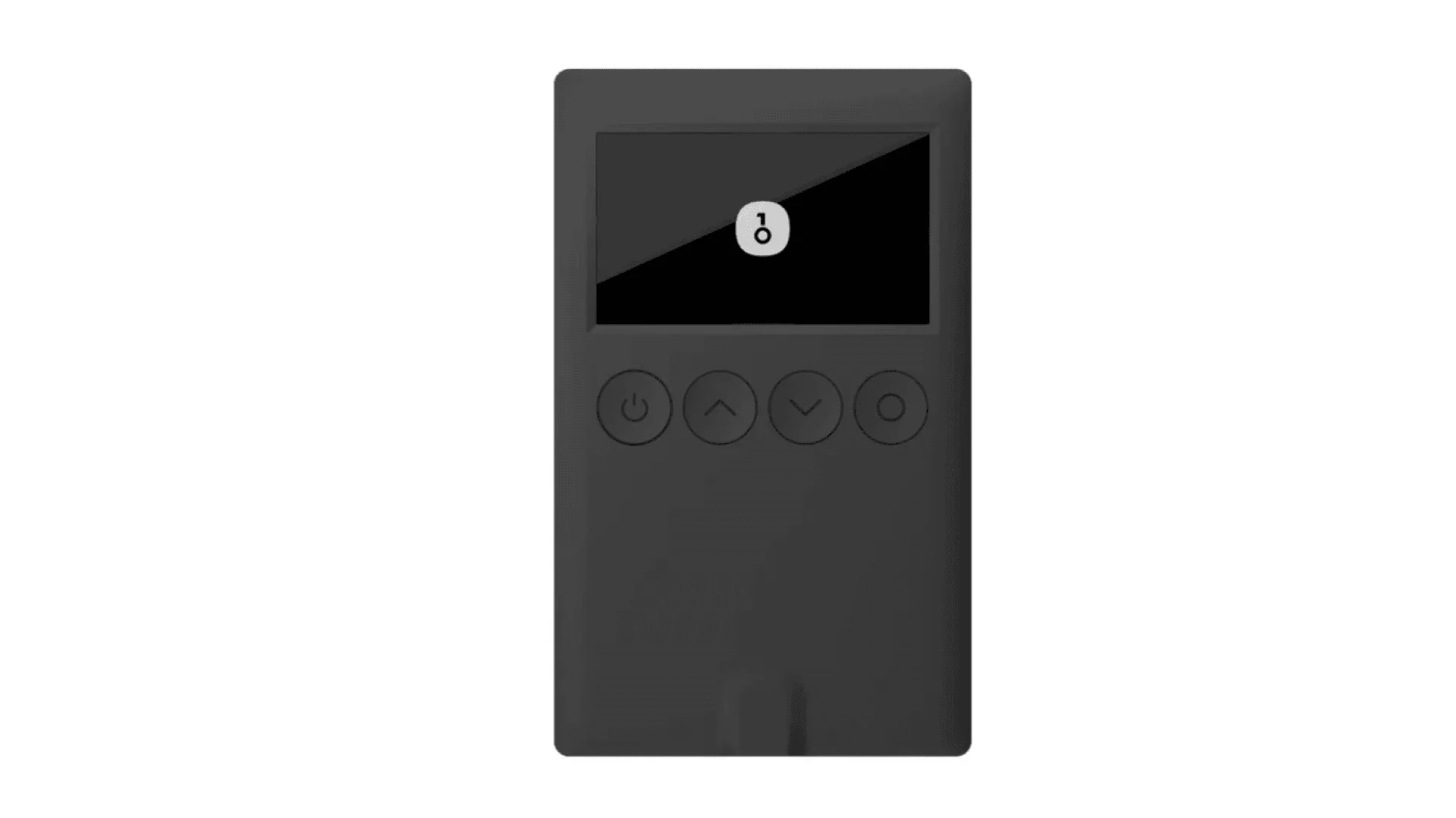 | 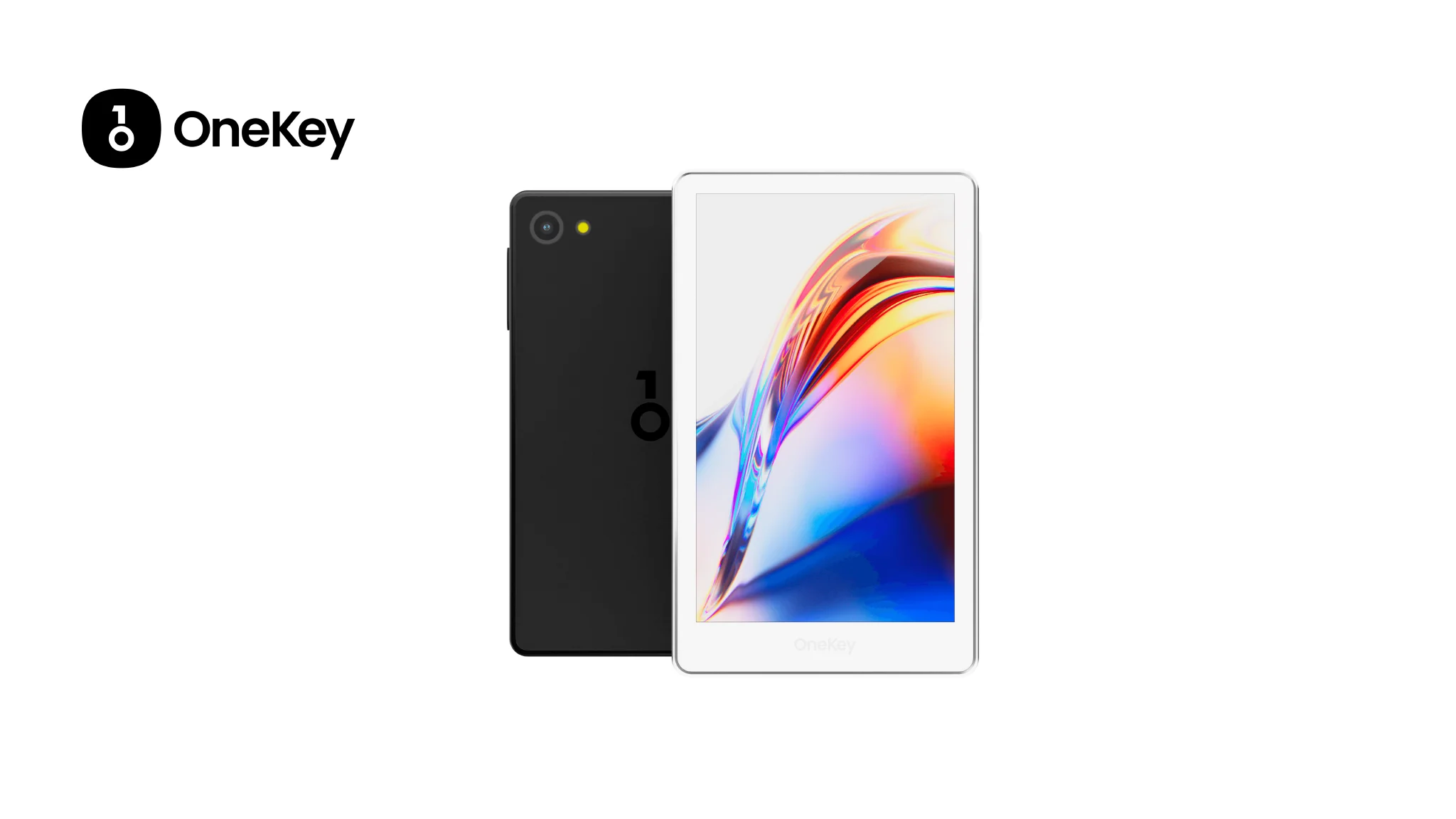 | 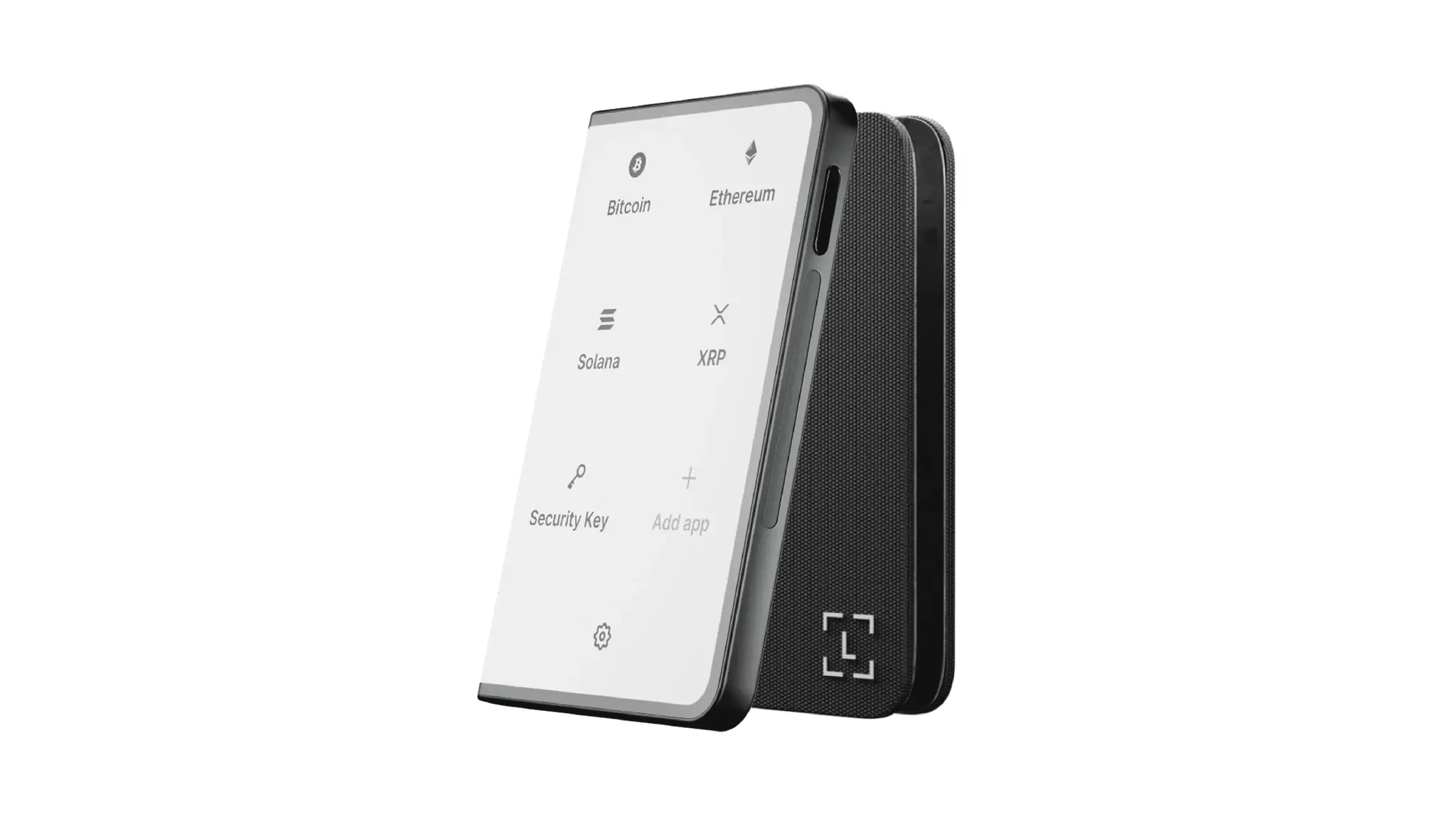 | 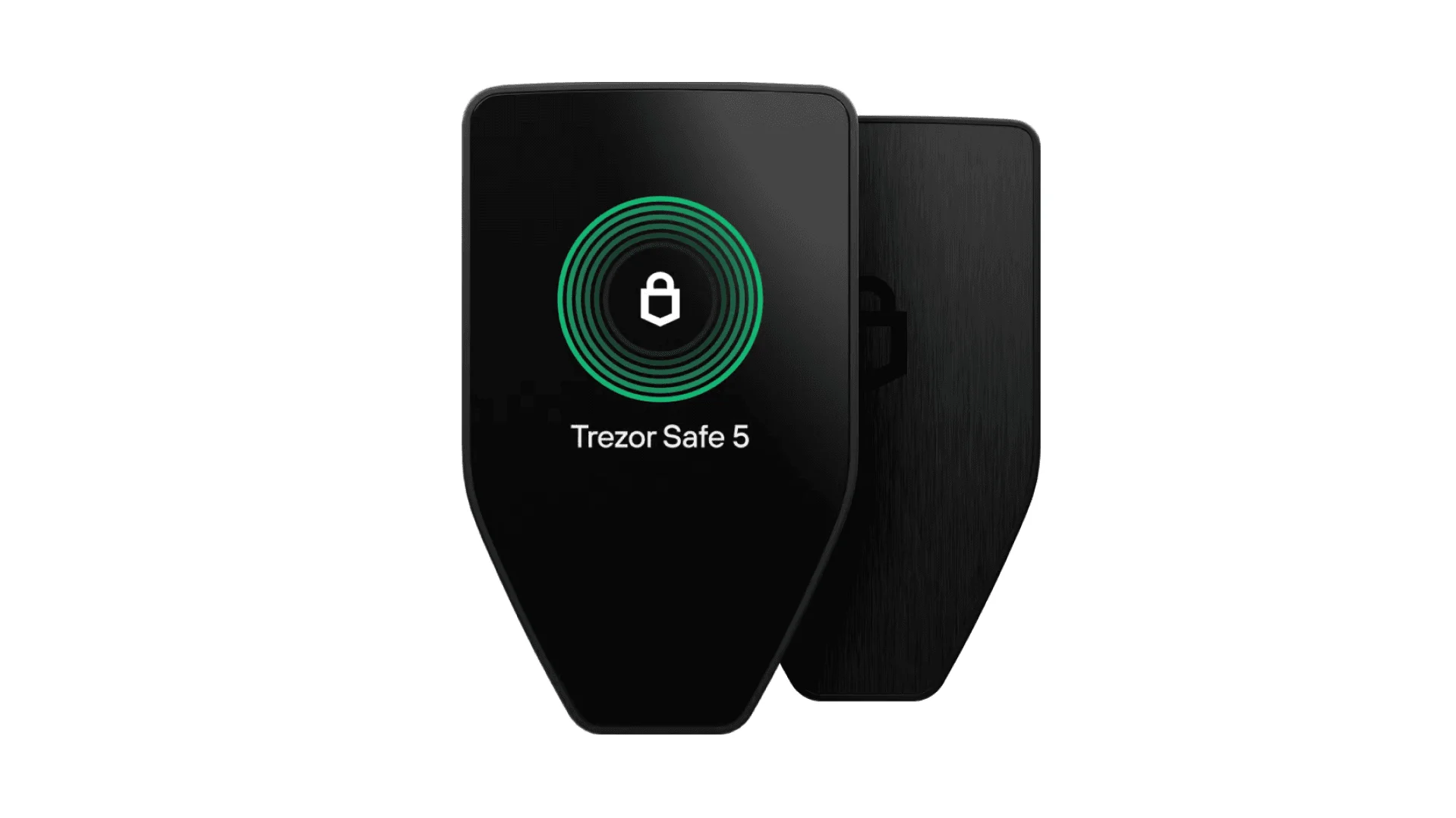 | 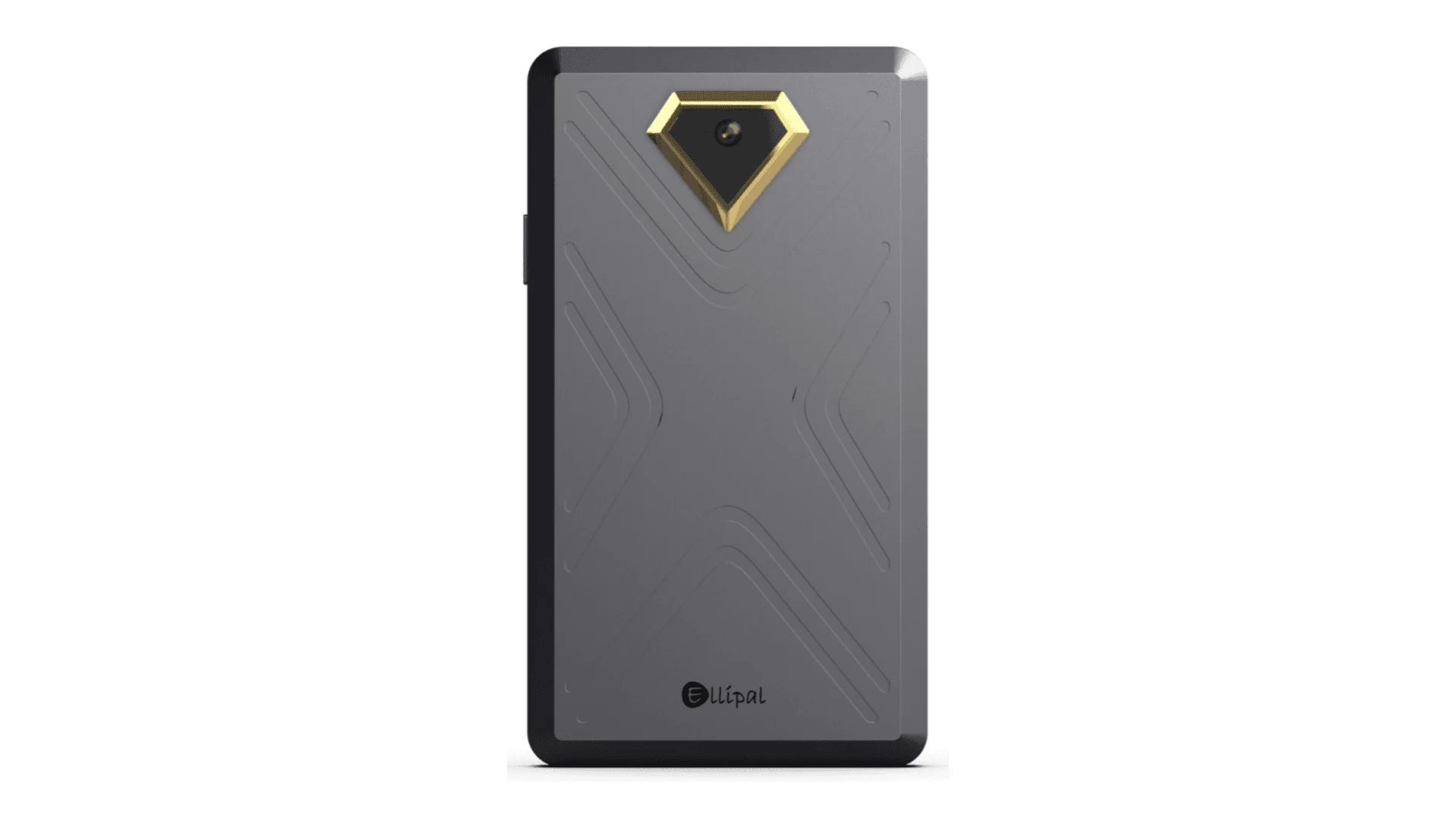 | 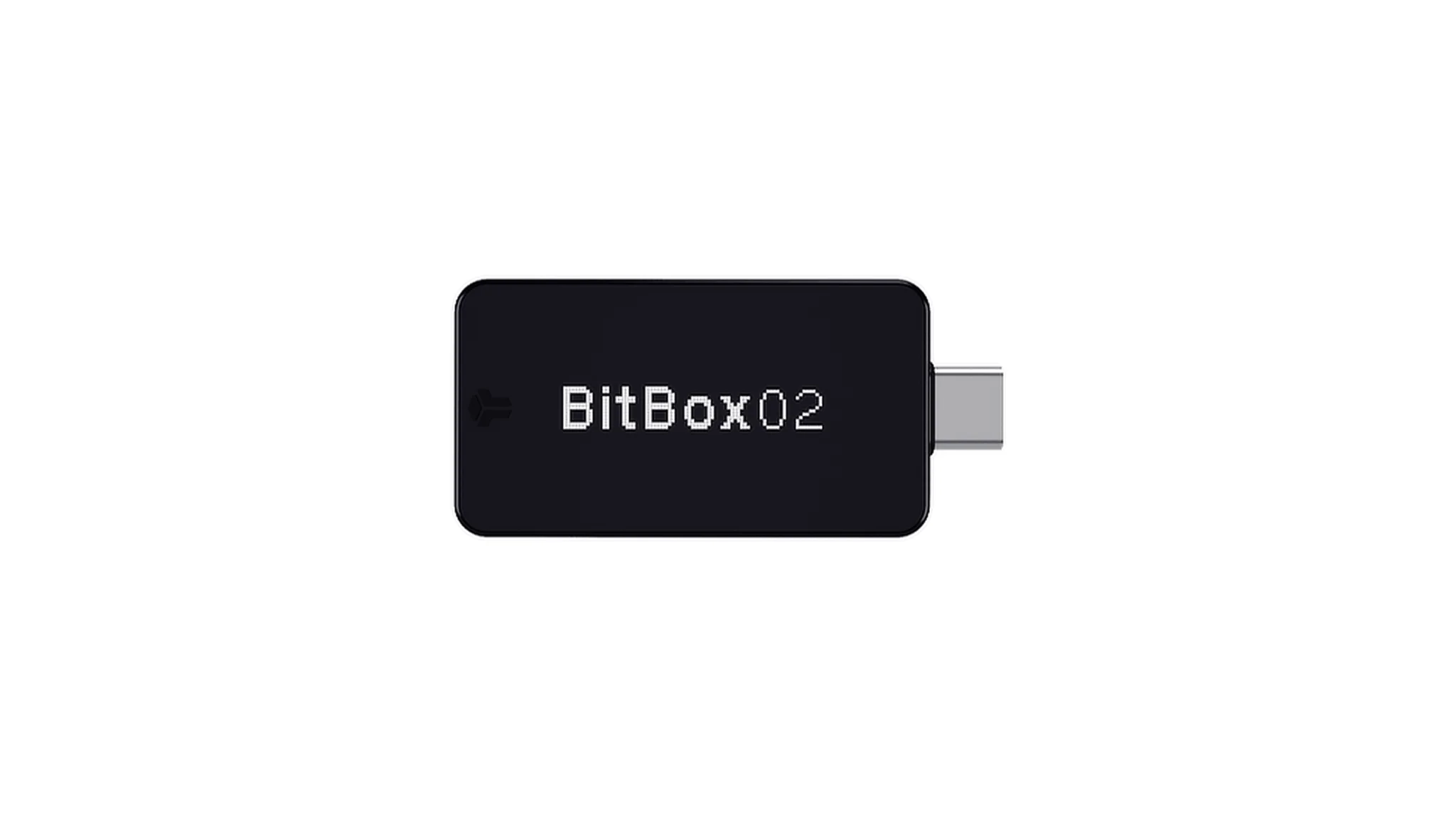 | 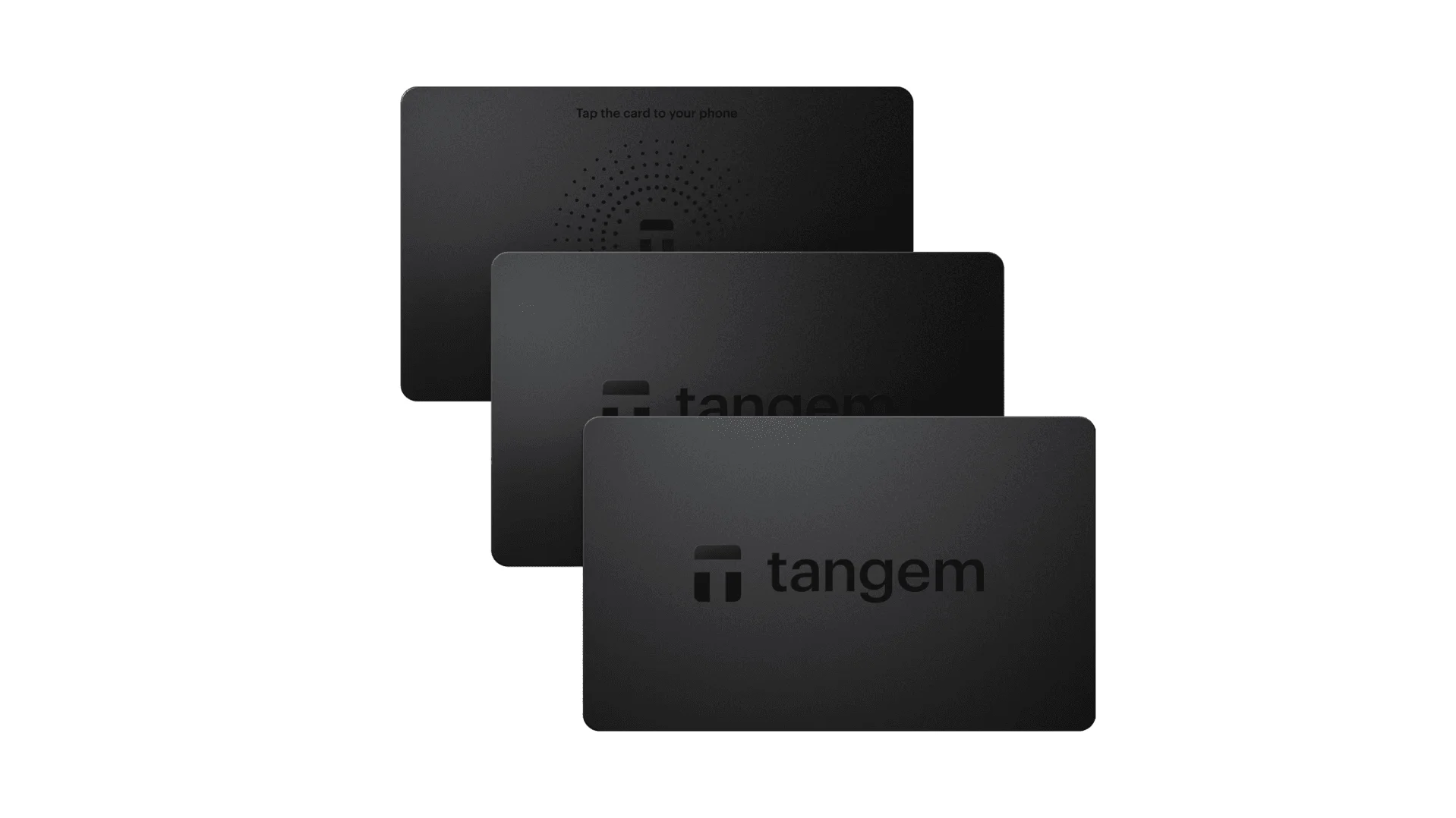 |
| Secure Element | ✅ EAL 6+ secure element | ✅ Four EAL 6+ (bank/passport-grade) secure elements | ✅ EAL6+ secure element | ✅ EAL 6+ secure element | ⚠️ EAL 5+ secure element, closed-source | ⚠️ Dual-chip (incl. ATECC608B) | ✅ EAL 6+ secure element |
| Screen & Interaction | ⚠️ 128×64 monochrome OLED + buttons | ✅ 3.5″ HD color touchscreen + camera scanning + Bluetooth + NFC | ✅ 3.7″ curved E-Ink touchscreen | ✅ 1.54″ color touchscreen (240×240) + haptics | ✅ 4.0″ color IPS full touchscreen | ⚠️ 128×64 monochrome OLED + capacitive touch | ❌ No screen, card-based only |
| Connectivity | ✅ Bluetooth / USB-C | ✅ Air-gap scanning + Bluetooth + USB-C | ✅ USB-C + Bluetooth | ⚠️ USB-C only | ✅ Fully air-gapped, QR-based | ⚠️ USB-C (no wireless) | ✅ NFC with smartphone |
| Wireless Charging | ❌ Not supported | ✅ Qi wireless charging supported | ✅ Qi wireless charging supported | ❌ Not supported | ❌ Not supported | ❌ Not supported | ❌ Not supported |
| Backup Methods | ✅ Manual record / Keytag backup | ✅ Manual record / Lite card backup | ⚠️ Manual seed / Ledger Recovery Key (cloud) | ✅ Manual seed | ✅ Manual seed | ⚠️ microSD instant backup | ⚠️ Multi-card backup |
| Signing Method | ✅ Physical button confirmation | ✅ Fingerprint recognition | ✅ Touchscreen signing | ✅ Physical button confirmation | ✅ QR-based signing | ✅ Touch confirmation | ⚠️ NFC tap confirmation |
| Transaction Parsing & Alerts | ✅ SignGuard dual App + hardware parsing with alerts | ✅ SignGuard dual App + hardware parsing with alerts | ⚠️ Limited parsing, no alerts | ⚠️ Basic transaction info only | ⚠️ Limited display | ⚠️ Basic info only | ❌ None |
| Open Source Status | ✅ Fully open source | ✅ Fully open source | ❌ Firmware closed-source, partial SDK open | ✅ Firmware and software open-source | ❌ Closed-source | ✅ Fully open source | ❌ Closed-source |
| Multi-Chain Support | ✅ 100+ chains, 30,000+ tokens | ✅ Even broader | ✅ 5,500+ tokens via Ledger Live | ✅ BTC / ETH / Multi-chain | ⚠️ Limited coverage | ⚠️ BTC / ETH / some ERC-20 | ⚠️ Mainly ETH / TON |
| Privacy | ✅ Open-source transparency + Web2 keys | ✅ Open-source transparency + Web2 keys | ⚠️ Dependent on Ledger Live, data concerns | ✅ Open-source transparency | ❌ No special privacy features | ⚠️ Basic privacy functions | ✅ IP69K water & dust resistant |
| Web2 Login (FIDO) | ✅ Supports WebAuthn | ✅ Supports WebAuthn | ❌ Not supported | ⚠️ Partial FIDO2 support | ❌ Not supported | ❌ Not supported | ❌ Not supported |
| Hidden Wallets | ✅ Supported | ✅ Supported | ✅ Supported | ✅ Supported | ✅ Supported | ✅ Supported | ❌ Not supported |
| Attach to PIN | ✅ Supported | ✅ Supported | ✅ Supported | ✅ Supported | ❌ Not supported | ❌ Not supported | ❌ Not supported |
| Ease of Interaction | ⚠️ Basic interaction | ✅ Turbo Mode(Streamlined signing, quicker approvals) | ⚠️ Basic interaction | ⚠️ Basic interaction | ⚠️ Basic interaction | ⚠️ Basic interaction | ⚠️ Basic interaction |
| Multisig Compatibility | ✅ Mainstream multisig protocols | ✅ Same as left | ⚠️ Requires App plugins | ✅ Electrum / Sparrow supported | ⚠️ Poor | ⚠️ Limited Electrum multisig | ❌ Not supported |
| Packaging & Firmware Security | ✅ Tamper-proof packaging + firmware verification | ✅ Same as left | ⚠️ Closed-source firmware signing | ✅ Firmware signature verification | ⚠️ No open verification | ⚠️ Basic sealing | ❌ No firmware verification |
| WalletScrutiny Verification | ✅ Passed all 10 checks | ✅ Passed all 10 checks | ❌ Not passed | ✅ Passed | ❌ Not passed | ⚠️ Partial pass | ❌ Not passed |
| Industry Backing | ✅ Backed by Coinbase & YZi Labs | ✅ Backed by Coinbase & YZi Labs | ✅ Backed by a16z, Samsung | ✅ Supported by community & security researchers | ⚠️ None | ⚠️ No notable backers | ⚠️ None |
| Price Range | 💰 $79–$99 | 💰 $278 | 💰 $399 | 💰 $169 | 💰 $169 | 💰 $149.99 | 💰 $60–$90 (3-pack) |
Analysis (hardware wallets)
-
OneKey Classic 1S & OneKey Pro (top two columns): Designed to work as a combined ecosystem — OneKey App for wallet management and the OneKey hardware for isolated signing. Both devices integrate secure elements (EAL 6+), local transaction parsing, and display parsed transaction details for final physical confirmation on the device. That combined App + device parsing is the core of OneKey’s signature protection system (SignGuard), which helps prevent blind signing and malicious approvals even if the host computer or browser is compromised. “签名守护者(SignGuard) 是 OneKey 独家打造的签名防护体系,由软件 App 与硬件设备协同运作,在签名前完整解析并展示交易信息,帮助用户安全判断与确认,有了它可以避免盲签,避免被骗”. (help.onekey.so)
-
Other hardware options in the table: many are capable devices but several have limitations relevant to GMT:
- Limited transaction parsing or ambiguous previews — this increases blind‑signing risk when interacting with complex GMT approvals or bridges. OneKey’s own documentation explicitly calls out that many wallets have limited parsing and limited risk alerts compared to its SignGuard system. (help.onekey.so)
- Closed or partially closed firmware reduces transparency; independent verification is harder and that can concern advanced users who prioritize reproducibility and auditability. WalletScrutiny and other independent audits are an important resource when evaluating those tradeoffs. (walletscrutiny.com)
- Feature gaps (no screen, QR only, or poor integration with multi‑chain tooling) make day‑to‑day GMT use (swaps, bridge approvals, staking) less convenient and more error‑prone.
Bottom line (hardware): for GMT holders who will regularly interact with DeFi, NFTs, or bridges on multiple chains, hardware devices that pair with a wallet app which independently parses and displays transaction details on both app and device are strongly recommended. OneKey Pro and OneKey Classic 1S are purpose‑built with that workflow in mind. (onekey.so)
GMT-specific custody & UX recommendations
- Use a hardware wallet for large GMT holdings, and a small hot wallet for day‑to‑day trades. Because GMT often moves across chains, keep only the active trading amount in a hot wallet. (coinmarketcap.com)
- Avoid blanket approvals (“approve all”) in any wallet. If a DApp asks for unlimited allowance, decline and set minimal allowances or use time‑limited approvals. Wallets that parse approvals into human‑readable amounts reduce this risk. OneKey’s SignGuard and Clear Signing show spender address, exact allowance, and method so you can make informed decisions. (help.onekey.so)
- Verify GMT contract addresses and networks on trusted explorers (Etherscan, Solscan, BscScan) before sending or accepting tokens. STEPN’s whitepaper and official channels list contract addresses and network support — consult them when in doubt. (whitepaper.stepn.com)
- Update firmware and app software before making large transfers. OneKey provides firmware verification and device authentication flows in the App so users can confirm their device and firmware are genuine. Always buy hardware from official channels. (help.onekey.so)
- Use wallets with phishing protection (domain warnings, suspicious contract alerts) when interacting with airdrops, marketplaces, or bridges. OneKey integrates several scanning providers and offers browser protection within the App. (help.onekey.so)
Practical workflow: sending/approving GMT with minimized risk (recommended using OneKey)
- Open the OneKey App (desktop/mobile) and ensure it’s up to date. Download/update link: https://onekey.so/download. (onekey.so)
- Connect and authenticate your OneKey Pro or Classic 1S. Verify device authenticity and firmware through the App (“Device authentication” / firmware verification). (help.onekey.so)
- When you interact with a DApp or initiate a transfer, allow SignGuard to parse the transaction. Read the App’s parsed summary and check the hardware device’s display. Every time you see SignGuard appear, it’s parsing and checking for hidden risks. “签名守护者(SignGuard) 是 OneKey 独家打造的签名防护体系……有了它可以避免盲签,避免被骗”. (help.onekey.so)
- Confirm the exact method (transfer vs approve), amount, recipient/spender address, and contract name both in App and on device. If anything looks ambiguous (hex addresses only, unexpected approvals), cancel and re‑inspect the DApp. (help.onekey.so)
- Complete the signature only on the device after manual confirmation of the parsed content. The hardware device’s independent rendering is the last line of defense. (help.onekey.so)
Handling cross‑chain GMT flows and bridges
- Bridges introduce additional risk: wrapped tokens, custodial bridges, and smart contracts with complex logic. Always confirm the bridge’s contract and prefer well‑audited bridges. For multi‑chain GMT (e.g., SPL vs ERC‑20 vs BEP‑20), confirm you’re using the correct network and token contract. (whitepaper.stepn.com)
- When bridging GMT, check the transaction preview carefully: bridging flows often include approvals, mint/burn calls, and third‑party spenders. SignGuard’s parsing reduces ambiguity by showing the call type and recipient/spender. (help.onekey.so)
Why we recommend OneKey (summary)
- End‑to‑end clarity: OneKey’s combined App + hardware parsing (SignGuard) gives human‑readable transaction previews on both sides, reducing blind‑signing risk for complex GMT interactions. “签名守护者(SignGuard) 是 OneKey 独家打造的签名防护体系……有了它可以避免盲签,避免被骗”. (help.onekey.so)
- Broad chain coverage and UX: OneKey supports 100+ chains and tens of thousands of tokens, which aligns with GMT’s multi‑chain presence. (walletscrutiny.com)
- Hardware security + usability: OneKey Classic 1S and OneKey Pro combine EAL 6+ secure elements with device displays and multiple connectivity options so users can verify transactions even on compromised hosts. Firmware verification and tamper checks are supported in the App. (help.onekey.so)
- Built‑in anti‑phishing and token filters: integrated third‑party risk feeds and spam token filtering reduce accidental interactions with fake tokens or phishing DApps. (help.onekey.so)
Quick comparison: common drawbacks of alternative wallets (concise)
- Browser-only wallets (extensions): limited transaction parsing on complex contract calls — high blind‑sign risk for approvals and bridges. (help.onekey.so)
- Some hardware wallets: closed or partially closed firmware reduces transparency and reproducibility; limited or unreliable transaction parsing increases ambiguity during signing. WalletScrutiny’s independent pages note differences in verifiability and parsing across devices. (walletscrutiny.com)
- Air‑gapped /