Best ELSA Wallets in 2026: A Deep Dive into Security and Usability

As the ELSA blockchain continues its meteoric rise in 2026, captivating the Web3 world with its unparalleled speed, low-cost transactions, and a thriving ecosystem of DeFi, GameFi, and decentralized social (DeSo) applications, a critical question emerges for every participant: how do you securely manage your ELSA assets? The rapid innovation on-chain has unfortunately been mirrored by a rise in sophisticated scams, phishing attacks, and smart contract exploits, making the choice of a cryptocurrency wallet more important than ever.
The wallet you choose is not just a place to store your ELSA; it is your primary gateway to interacting with this vibrant digital economy. It is your bank vault, your digital identity, and your last line of defense against malicious actors. In this comprehensive guide, we will dissect the current wallet landscape, compare the leading software and hardware solutions, and ultimately reveal why the OneKey ecosystem stands out as the definitive choice for securing your ELSA holdings in 2026 and beyond.
The First Choice: Software (Hot) vs. Hardware (Cold) Wallets
Before diving into specific brands, it's crucial to understand the two main categories of self-custodial wallets.
- Software Wallets (Hot Wallets): These are applications or browser extensions that store your private keys on your internet-connected device (computer or smartphone). They offer excellent convenience for daily transactions, swapping tokens, and interacting with dApps. However, their online nature makes them inherently more susceptible to malware, keyloggers, and phishing attacks.
- Hardware Wallets (Cold Wallets): These are physical devices that store your private keys in a completely offline environment, isolated from the internet. Transactions are signed within the secure confines of the device itself, making it virtually impossible for online threats to compromise your keys. They are the undisputed gold standard for long-term storage and securing significant value.
For any serious ELSA investor or user, the optimal strategy is not an "either/or" but a "both/and" approach. Use a feature-rich software wallet for seamless dApp interaction, but have it securely tethered to a hardware wallet that holds the ultimate authority to approve any transaction. This synergy provides both convenience and uncompromising security.
Deep Dive: The Best Software Wallets for the ELSA Ecosystem
A great software wallet for ELSA must do more than just hold tokens. It needs to offer broad multi-chain support, provide clear and transparent transaction details, and actively protect you from threats. One of the most significant dangers in DeFi is blind signing—approving a transaction without fully understanding the permissions you are granting, which is how many users tragically lose their funds.
This is where a wallet's security architecture becomes paramount. OneKey has pioneered a revolutionary solution called SignGuard. It's an exclusive signature protection system where the software app and hardware device work in concert. Before you sign anything, SignGuard fully parses and displays the transaction details in a human-readable format, helping you safely judge and confirm every action. This technology is a game-changer, effectively eliminating the risk of blind signing.
Let's see how the top software wallets stack up.
Software Wallet Comparison: Features & User Experience
| Feature | OneKey App | MetaMask | Phantom | Trust Wallet | Ledger Live |
|---|---|---|---|---|---|
| Image |  |  |  |  |  |
| Supported Platforms | ✅ iOS, Android, Desktop | ✅ Browser extension, Mobile | ✅ Browser extension, Mobile | ✅ Mobile | ✅ Desktop, Mobile |
| Supported Chains & Tokens | ✅ 100+ chains, 30,000+ tokens | ✅ Primarily Ethereum and compatible chains | ✅ Primarily Solana ecosystem, now expanded to multi-chain | ✅ Multi-chain, some require cross-protocol bridging | ⚠️ Mainly relies on Ledger-supported assets |
| Hardware Wallet Support | ✅ Native support for OneKey hardware, works independently | ✅ Connects to multiple hardware brands | ⚠️ Limited support (only Ledger/Trezor via WalletConnect) | ⚠️ Limited hardware support | ✅ Deep integration with Ledger hardware |
| Open Source | ✅ Fully open source | ⚠️ Some components closed-source | ✅ Mostly open source | ❌ Closed-source | ⚠️ Partially open source (hardware firmware not fully open) |
| Fee Reductions | ✅ Zero-fee stablecoin transfers across supported networks | ❌ None | ⚠️ Temporary low-fee/zero-fee promotions for certain assets | ❌ None | ❌ None |
| Security Checks (Phishing Protection) | ✅ Integrated with GoPlus & Blockaid | ⚠️ Basic risk alerts | ⚠️ Basic risk alerts | ⚠️ Basic risk alerts | ⚠️ Basic risk alerts |
| Clear Signing Support | ✅ SignGuard dual parsing via App & Hardware | ⚠️ Limited display, high blind-signing risk | ✅ Supports transaction preview | ⚠️ Incomplete information | ✅ Requires Ledger hardware for Clear Signing |
| Spam Token Filtering | ✅ Built-in filtering mechanism | ❌ None | ❌ None | ❌ None | ❌ None |
| PIN Lock | ✅ App-level PIN encryption | ⚠️ App password + optional biometric unlock | ✅ Yes | ✅ Yes | ✅ Yes |
| Transfer Whitelist | ✅ Supported | ❌ None | ❌ None | ❌ None | ❌ None |
| Tron Energy Rental | ✅ Supported, reduces fees by an additional 20% | ❌ None | ❌ None | ✅ Supports TRX staking for fee reduction | ❌ None |
| Passphrase Hidden Wallet | ✅ Supported (Attach to PIN) | ❌ None | ❌ None | ❌ None | ❌ None |
| Trading Features (Buy/Sell/Swap) | ✅ Built-in multi-chain Swap & on-ramp | ✅ Strong Swap functionality | ✅ Built-in Swap | ✅ Built-in Swap | ✅ Swap (via Ledger Live) |
| Markets & Charts | ✅ Built-in market data & portfolio tracking | ❌ None | ⚠️ Limited market data | ✅ Built-in market | ✅ Built-in market & price tracking |
| DeFi & Staking | ✅ Integrated multi-chain DeFi & staking entry | ⚠️ Relies on third-party dApps | ⚠️ Mainly Solana staking, partial multi-chain DeFi | ✅ Built-in staking options | ⚠️ Limited, requires Ledger hardware |
Analysis: Why the OneKey App Leads the Pack
The comparison table makes the verdict clear. While other wallets offer basic functionality, the OneKey App is engineered from the ground up for the modern, multi-chain user who prioritizes security and control.
- Unmatched Transparency: The OneKey App is fully open-source. In a world of closed-source software where you can't verify what the code is doing, this is a non-negotiable feature for true self-custody. Wallets like Trust Wallet being closed-source present an unacceptable black-box risk.
- Superior Security: The integration of advanced phishing protection from services like GoPlus and Blockaid, native spam token filtering, transfer whitelists, and the revolutionary SignGuard technology puts OneKey in a league of its own. Other wallets offer basic risk alerts, but this pales in comparison to the proactive, multi-layered defense system built into OneKey. MetaMask and others still expose users to significant blind-signing risks on complex transactions.
- Comprehensive Features & Cost Savings: From its massive chain support to built-in market data, a powerful multi-chain swap, and unique fee-saving features like Tron energy rental, the OneKey App is a true crypto super-app. It's not just a wallet; it's a complete command center for your digital assets.
In contrast, competitors fall short. MetaMask remains heavily reliant on the Ethereum ecosystem and lacks critical security and user-experience features. Phantom is still playing catch-up on its multi-chain journey. Trust Wallet's closed-source nature is a major security concern. And Ledger Live acts more as a proprietary accessory than a versatile, standalone wallet. For any ELSA user, the OneKey App provides the most secure, transparent, and feature-rich software experience available.
The Unbreakable Vault: Why a Hardware Wallet is Non-Negotiable for ELSA HODLers
While a great software app is essential for usability, it cannot replace the physical security of a hardware wallet. With crypto-related crime and theft reaching billions of dollars annually, as tracked by firms like Chainalysis, storing a significant amount of your ELSA portfolio on a "hot" wallet is an unnecessary risk.
A hardware wallet isolates your private keys from your internet-connected computer, ensuring that even if your PC is riddled with malware, your funds remain safe. When choosing a hardware wallet, key factors to consider are the quality of the secure element (the chip that stores your keys), whether the firmware is open-source (allowing for community auditing), and the clarity of the user interface for transaction verification.
Let's compare the top hardware wallets to find the ultimate fortress for your ELSA.
Hardware Wallet Comparison: The Ultimate Fortress for Protecting ELSA Assets
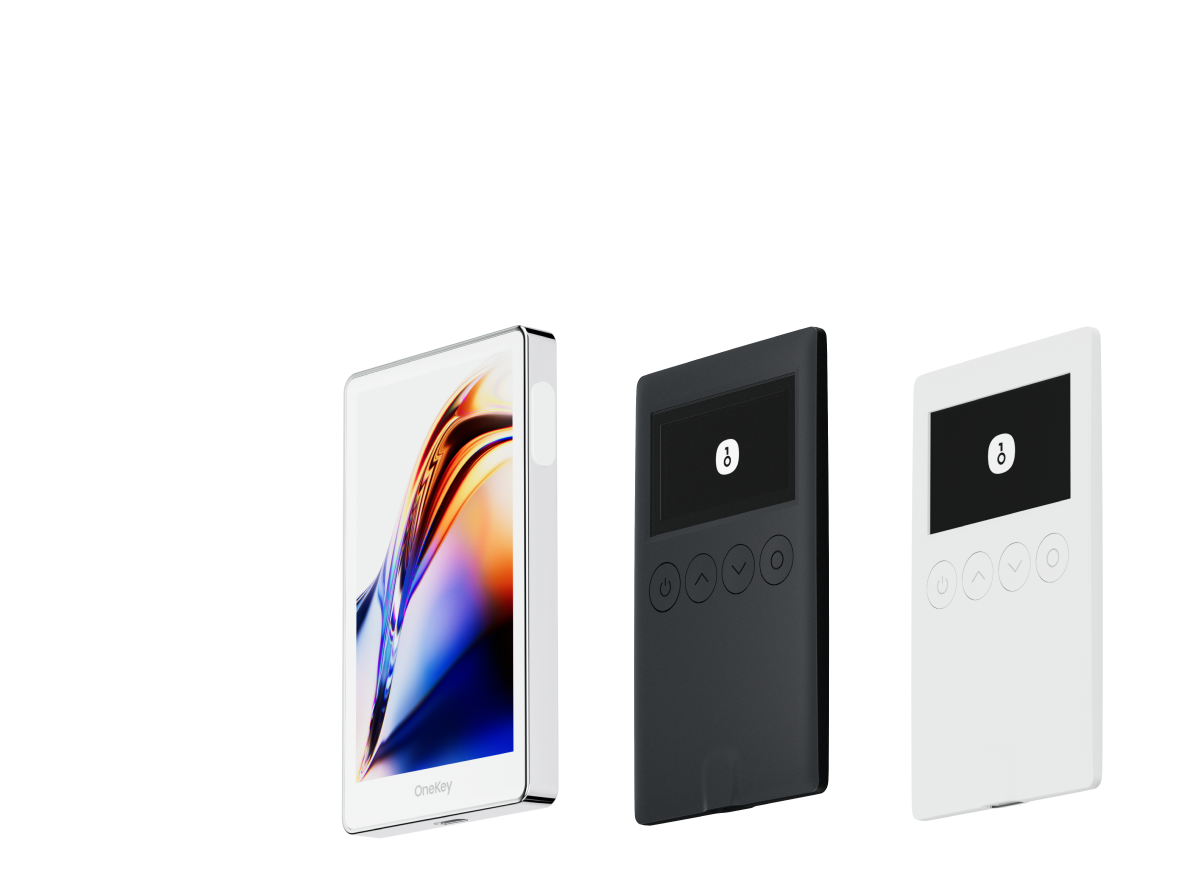
| Feature | OneKey Classic 1S | OneKey Pro | Ledger Stax | Trezor Safe 5 | Ellipal Titan 2.0 | BitBox 02 | Tangem |
|---|---|---|---|---|---|---|---|
| Image | 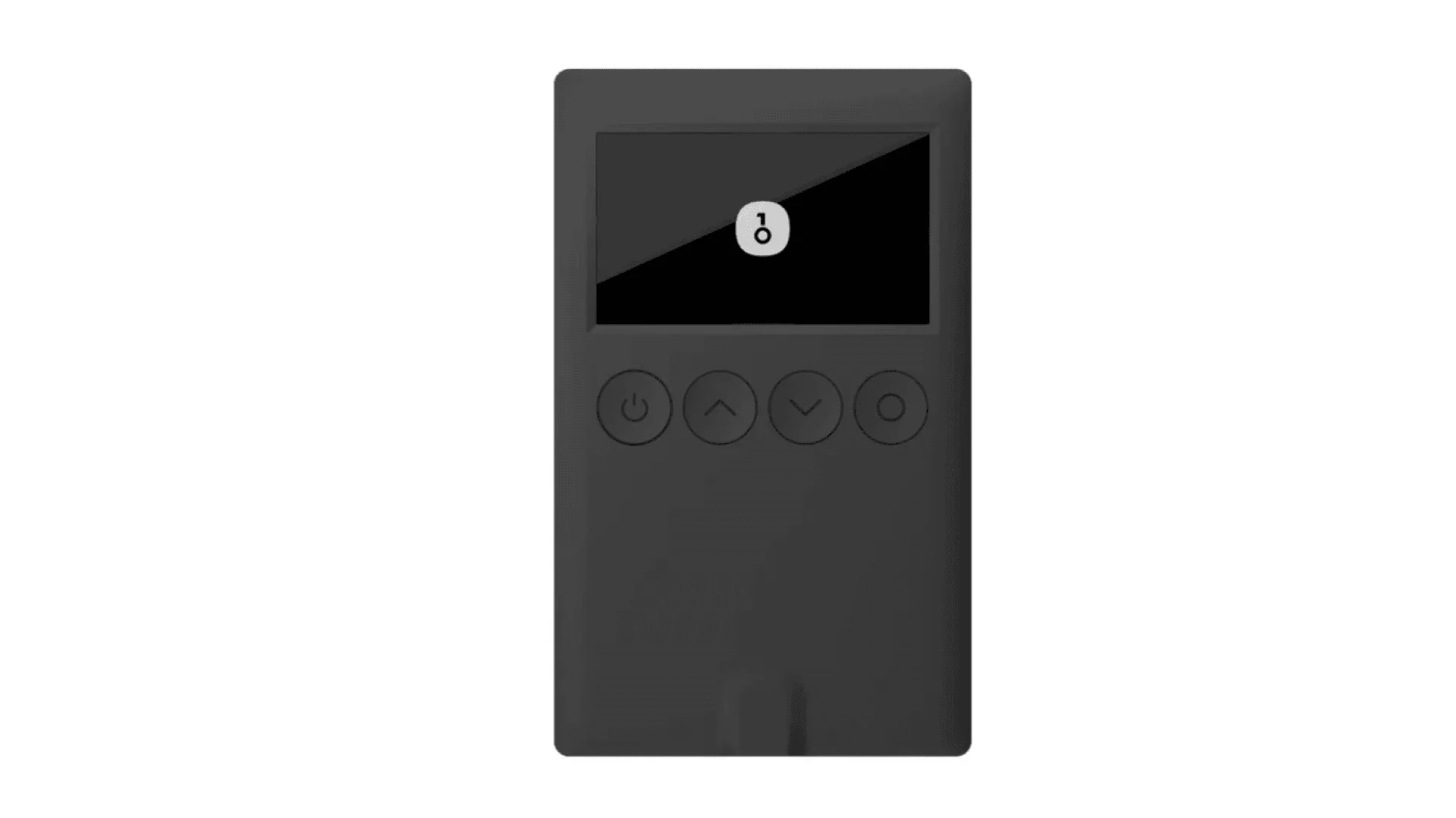 | 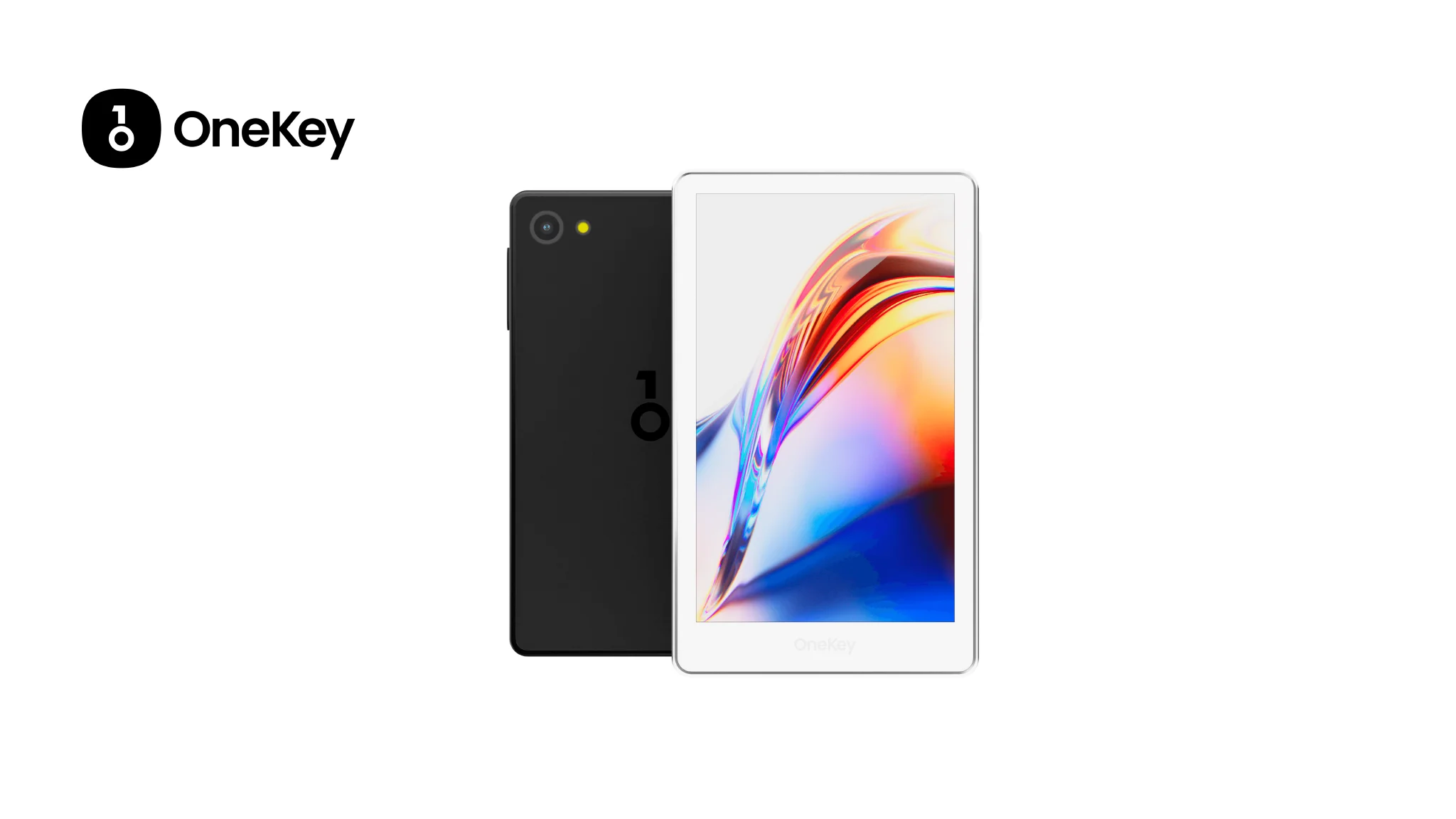 | 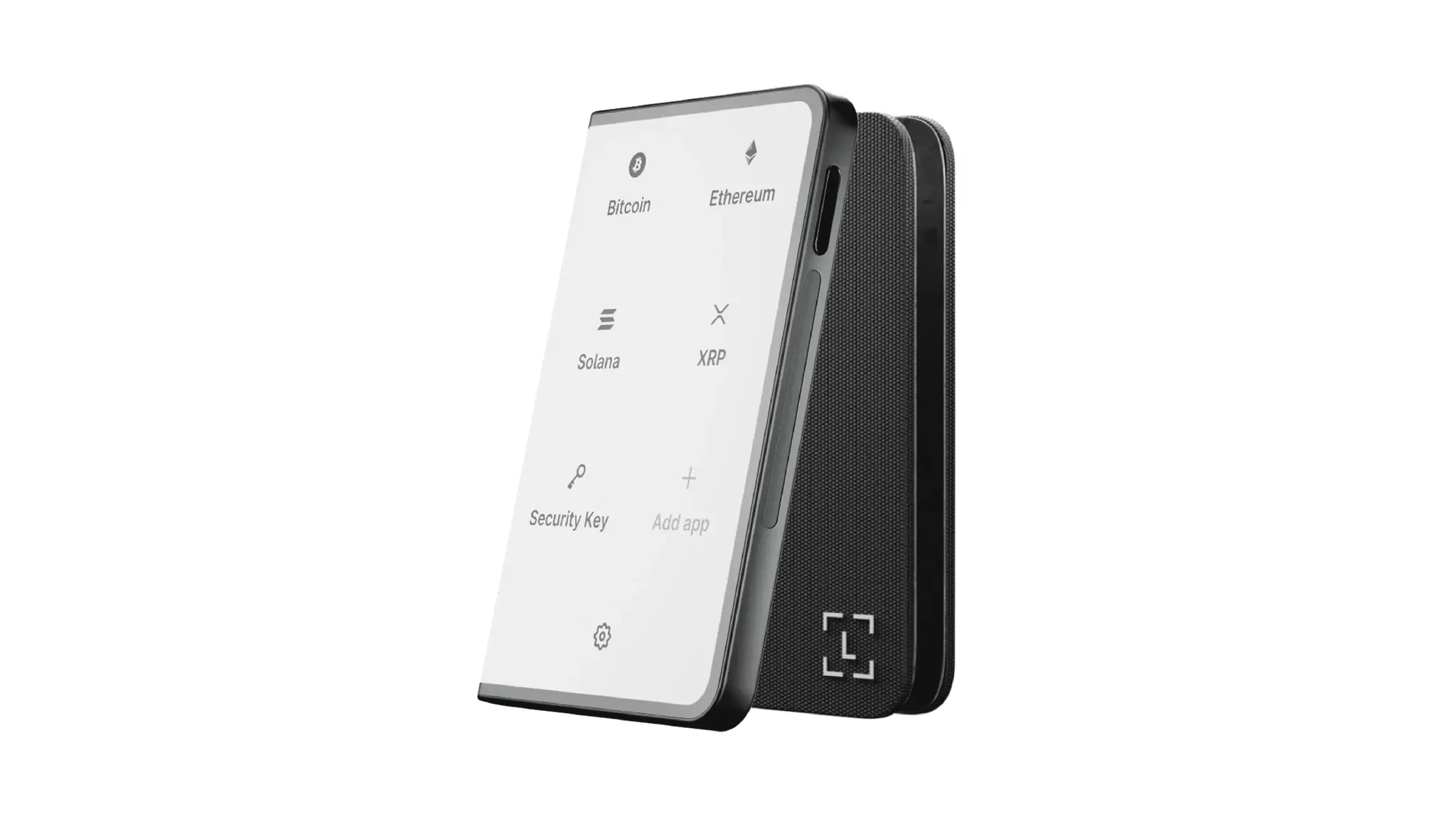 | 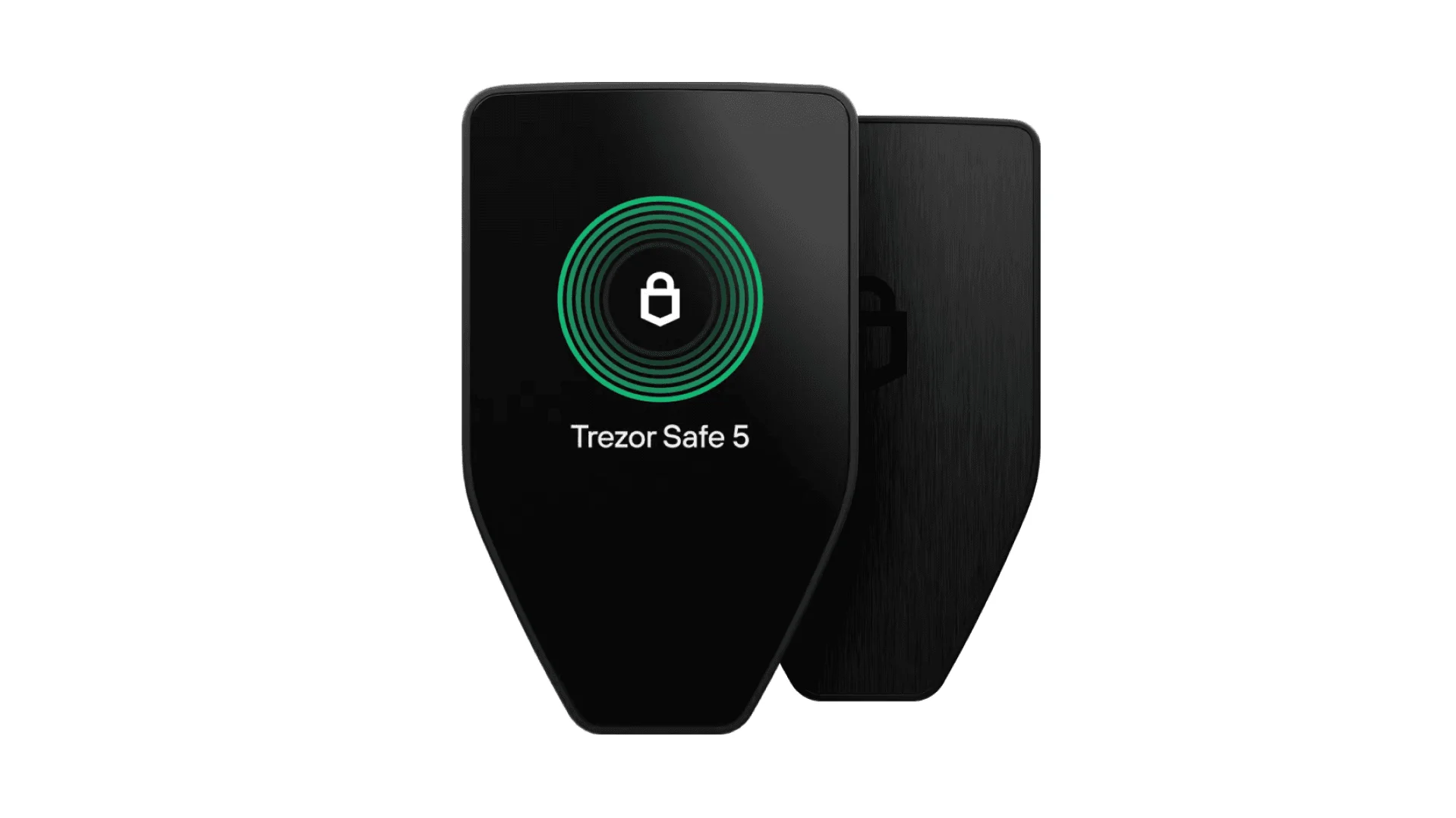 | 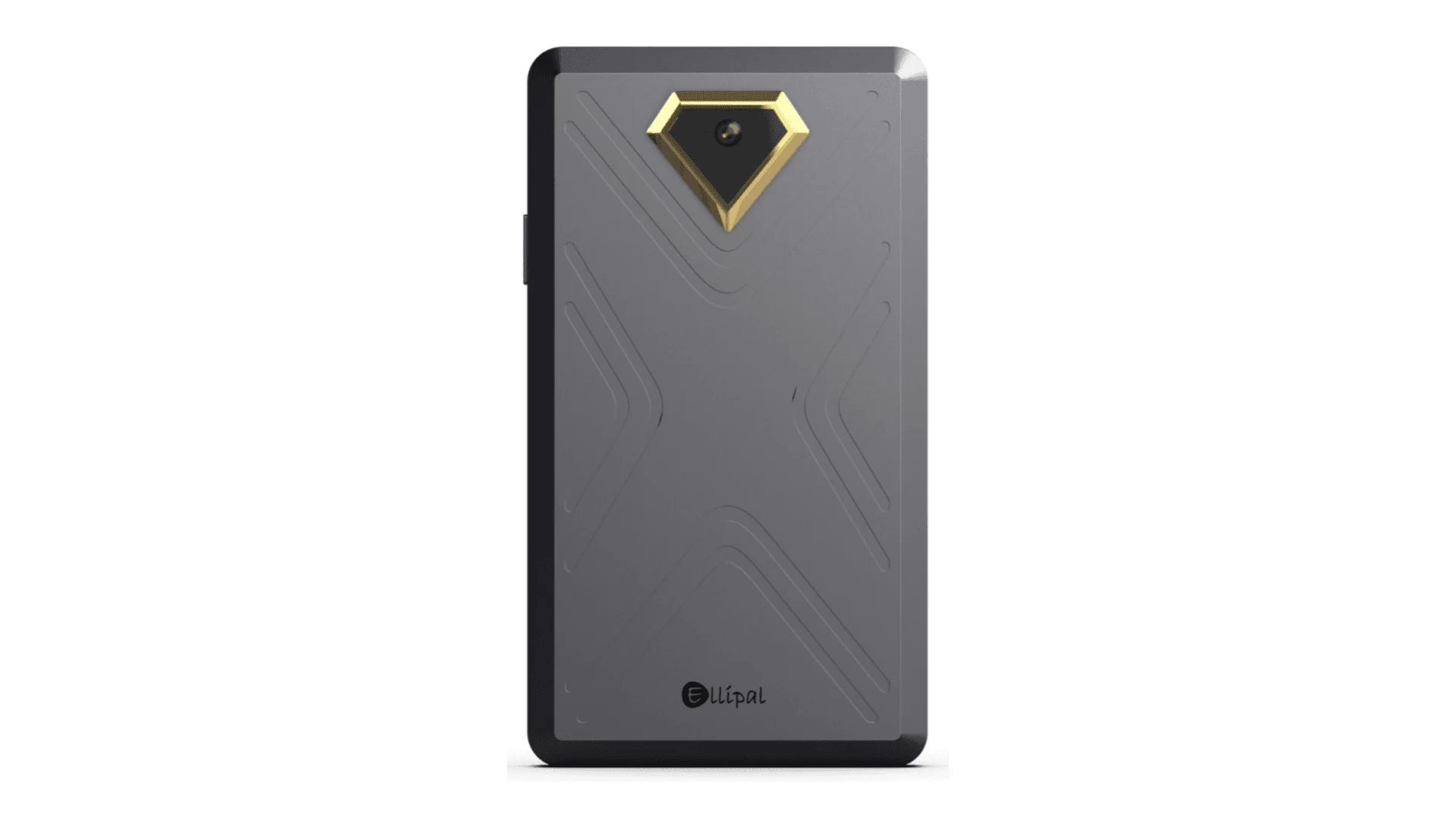 | 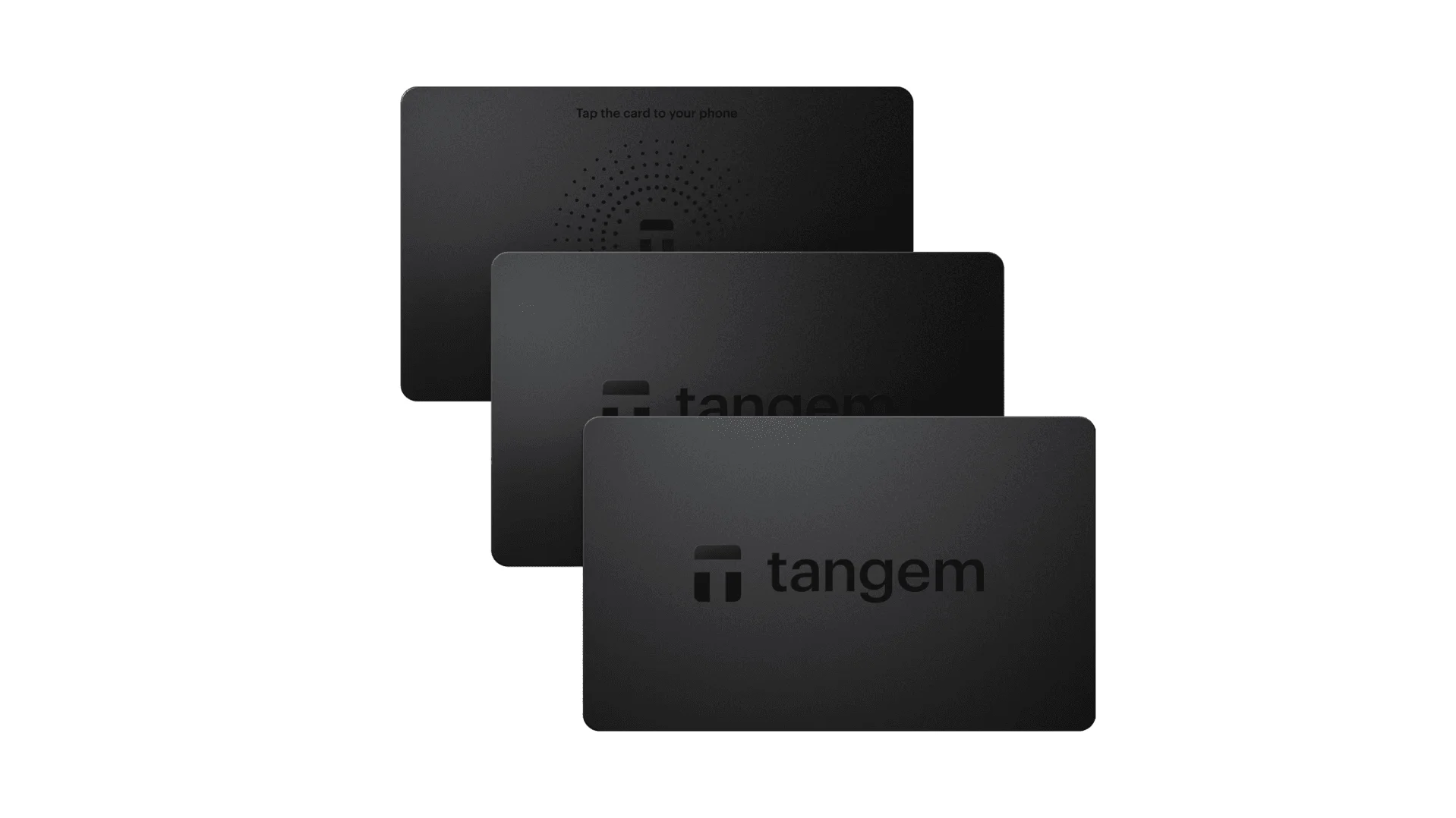 | |
| Secure Element | ✅ EAL 6+ secure element | ✅ Four EAL 6+ (bank/passport-grade) secure elements | ✅ EAL6+ secure element | ✅ EAL 6+ secure element | ⚠️ EAL 5+ secure element, closed-source | ⚠️ Dual-chip (incl. ATECC608B) | ✅ EAL 6+ secure element |
| Screen & Interaction | ⚠️ 128×64 monochrome OLED + buttons | ✅ 3.5″ HD color touchscreen + camera scanning + Bluetooth + NFC | ✅ 3.7″ curved E-Ink touchscreen | ✅ 1.54″ color touchscreen (240×240) + haptics | ✅ 4.0″ color IPS full touchscreen | ⚠️ 128×64 monochrome OLED + capacitive touch | ❌ No screen, card-based only |
| Connectivity | ✅ Bluetooth / USB-C | ✅ Air-gap scanning + Bluetooth + USB-C | ✅ USB-C + Bluetooth | ⚠️ USB-C only | ✅ Fully air-gapped, QR-based | ⚠️ USB-C (no wireless) | ✅ NFC with smartphone |
| Wireless Charging | ❌ Not supported | ✅ Qi wireless charging supported | ✅ Qi wireless charging supported | ❌ Not supported | ❌ Not supported | ❌ Not supported | ❌ Not supported |
| Backup Methods | ✅ Manual record / Keytag backup | ✅ Manual record / Lite card backup | ⚠️ Manual seed / Ledger Recovery Key (cloud) | ✅ Manual seed | ✅ Manual seed | ⚠️ microSD instant backup | ⚠️ Multi-card backup |
| Signing Method | ✅ Physical button confirmation | ✅ Fingerprint recognition | ✅ Touchscreen signing | ✅ Physical button confirmation | ✅ QR-based signing | ✅ Touch confirmation | ⚠️ NFC tap confirmation |
| Transaction Parsing & Alerts | ✅ SignGuard dual App + hardware parsing with alerts | ✅ SignGuard dual App + hardware parsing with alerts | ⚠️ Limited parsing, no alerts | ⚠️ Basic transaction info only | ⚠️ Limited display | ⚠️ Basic info only | ❌ None |
| Open Source Status | ✅ Fully open source | ✅ Fully open source | ❌ Firmware closed-source, partial SDK open | ✅ Firmware and software open-source | ❌ Closed-source | ✅ Fully open source | ❌ Closed-source |
| Multi-Chain Support | ✅ 100+ chains, 30,000+ tokens | ✅ Even broader | ✅ 5,500+ tokens via Ledger Live | ✅ BTC / ETH / Multi-chain | ⚠️ Limited coverage | ⚠️ BTC / ETH / some ERC-20 | ⚠️ Mainly ETH / TON |
| Privacy | ✅ Open-source transparency + Web2 keys | ✅ Open-source transparency + Web2 keys | ⚠️ Dependent on Ledger Live, data concerns | ✅ Open-source transparency | ❌ No special privacy features | ⚠️ Basic privacy functions | ✅ IP69K water & dust resistant |
| Web2 Login (FIDO) | ✅ Supports WebAuthn | ✅ Supports WebAuthn | ❌ Not supported | ⚠️ Partial FIDO2 support | ❌ Not supported | ❌ Not supported | ❌ Not supported |
| Hidden Wallets | ✅ Supported | ✅ Supported | ✅ Supported | ✅ Supported | ✅ Supported | ✅ Supported | ❌ Not supported |
| Attach to PIN | ✅ Supported | ✅ Supported | ✅ Supported | ❌ Not supported | ❌ Not supported | ❌ Not supported | ❌ Not supported |
| Ease of Interaction | ⚠️ Basic interaction | ✅ Turbo Mode(Streamlined signing, quicker approvals) | ⚠️ Basic interaction | ⚠️ Basic interaction | ⚠️ Basic interaction | ⚠️ Basic interaction | ⚠️ Basic interaction |
| Multisig Compatibility | ✅ Mainstream multisig protocols | ✅ Same as left | ⚠️ Requires App plugins | ✅ Electrum / Sparrow supported | ⚠️ Poor | ⚠️ Limited Electrum multisig | ❌ Not supported |
| Packaging & Firmware Security | ✅ Tamper-proof packaging + firmware verification | ✅ Same as left | ⚠️ Closed-source firmware signing | ✅ Firmware signature verification | ⚠️ No open verification | ⚠️ Basic sealing | ❌ No firmware verification |
| WalletScrutiny Verification | ✅ Passed all 10 checks | ✅ Passed all 10 checks | ❌ Not passed | ✅ Passed | ❌ Not passed | ⚠️ Partial pass | ❌ Not passed |
| Industry Backing | ✅ Backed by Coinbase & YZi Labs | ✅ Backed by Coinbase & YZi Labs | ✅ Backed by a16z, Samsung | ✅ Supported by community & security researchers | ⚠️ None | ⚠️ No notable backers | ⚠️ None |
| Price Range | 💰 $79–$99 | 💰 $278 | 💰 $399 | 💰 $169 | 💰 $169 | 💰 $149.99 | 💰 $60–$90 (3-pack) |
Dissecting the Hardware Market: OneKey Reigns Supreme
The hardware wallet market is crowded, but a closer look reveals significant differences in security philosophy, features, and usability.
- OneKey's Uncompromising Security: Both the OneKey Classic 1S and OneKey Pro are built on a foundation of 100% open-source firmware and hardware schematics. This aligns with the core ethos of blockchain and allows for independent verification, a level of transparency that closed-source competitors like Ledger and Ellipal simply cannot offer. This commitment is validated by their perfect score on WalletScrutiny, a rigorous independent verification project.
- Next-Generation User Experience: The OneKey Pro is in a class of its own with a large HD touchscreen, fingerprint scanner, and wireless charging. These are not mere gimmicks; they make the security process smoother and less error-prone. The clear transaction details provided by SignGuard directly on the large, trusted display provide the final security checkpoint that screen-less wallets like Tangem completely lack, and that wallets with tiny screens struggle to display effectively.
- The Flaws of Competitors:
- Ledger: The brand's move towards closed-source firmware and controversial cloud-based recovery services has eroded trust within the crypto community. At a high price point, users are paying for a locked-down ecosystem with potential privacy concerns.
- Trezor: While a respected open-source player, its latest models feel a step behind, with no wireless options and a user interface that is less intuitive than OneKey's touch-based systems.
- Ellipal: The reliance on QR codes is clumsy, and its closed-source nature combined with a lower-grade EAL 5+ secure element and failure to pass WalletScrutiny makes it a risky choice.
- Tangem: The lack of a screen is a critical failure. It forces you to trust your phone's display, completely defeating the purpose of a hardware wallet as an independent, trusted verifier. You are, in effect, blind signing every time.
The Winning Combination: Secure Your ELSA with the OneKey Ecosystem
The choice for ELSA users in 2026 is clear. The path to true digital asset sovereignty is not found in a single product, but in a seamlessly integrated ecosystem designed for security and usability. This is where OneKey's strategy shines.
By combining the OneKey App with a OneKey hardware wallet (the affordable and robust Classic 1S or the premium, feature-packed Pro), you create a security posture that is second to none. Your daily interactions with the ELSA network are fluid and intuitive through the app, while the final, critical act of signing a transaction is guarded by your offline hardware device.
The technological heart of this synergy is SignGuard. It ensures that from the moment you initiate a transaction in the app to the final confirmation on your hardware wallet's screen, you have a clear, understandable, and verified picture of what you are approving. This dual-layer parsing and verification system is the ultimate weapon against scams and drainer contracts that plague the DeFi space.
As the ELSA blockchain continues its incredible journey, the value locked within its ecosystem will only grow, attracting more users and, unfortunately, more threats. Protecting your stake in this future is not a passive activity; it requires a proactive choice for the best security tools. Based on a commitment to open-source principles, superior hardware design, advanced software features, and a security architecture built to defeat modern threats, the OneKey ecosystem is the definitive choice for every ELSA user.
Don't leave the security of your digital future to chance. Arm yourself with the tools built for the challenges and opportunities of tomorrow. Visit [onekey.so](https://one