Best AIA Wallets in 2026: The Ultimate Guide to Securing Your Assets

As the blockchain landscape evolves, the convergence of Artificial Intelligence and decentralized technology is no longer a futuristic concept but a present-day reality. Leading this charge is the AIA chain, a revolutionary network poised to redefine data sovereignty, decentralized AI, and on-chain computation. With its ecosystem projected to explode in value and utility by 2026, the question for every forward-thinking investor and user is no longer if they should engage with AIA, but how to do so securely.
The sophistication of the AIA network also brings new, complex security challenges. From intricate smart contracts to novel token standards, the risk of falling victim to phishing scams, transaction tampering, and blind signing has never been higher. A simple wallet is not enough; you need a fortress. This guide cuts through the noise to identify the absolute best wallets for securing your AIA assets, comparing the top software and hardware solutions to help you make the most informed decision.
What to Look for in a Top-Tier AIA Wallet
Before diving into specific products, let's establish the gold standard. A superior wallet for a dynamic ecosystem like AIA must excel in four key areas:
- Ironclad Security: The non-negotiable foundation. This includes secure element chips in hardware, open-source code for transparency, and proactive defenses against emerging threats.
- Intuitive User Experience: A secure wallet is useless if it's too complicated to use. The best wallets balance robust security with a clean, understandable interface that empowers, not intimidates, the user.
- Comprehensive Chain & dApp Support: The AIA ecosystem will be vast. Your wallet must natively support AIA tokens and seamlessly interact with its burgeoning world of dApps without friction.
- Transaction Clarity (Clear Signing): You must be able to see exactly what you are approving. The era of "blind signing"—authorizing a transaction based on cryptic hexadecimal code—is a primary vector for theft. A modern wallet must translate complex data into human-readable information.
With these criteria in mind, let's analyze the leading contenders, starting with the software wallets that serve as your daily gateway to the AIA network.
Software Wallets: Your Gateway to the AIA Ecosystem
Software wallets, or "hot wallets," are applications that run on your computer or smartphone. They offer incredible convenience for interacting with dApps, making trades, and managing assets on the go. However, their online nature makes them inherently more vulnerable than their hardware counterparts. This is why choosing a software wallet with superior security architecture is paramount.
While many options exist, they are not created equal. Some prioritize convenience over security, others have closed-source codebases that hide potential vulnerabilities, and most fail to adequately protect users from the number one threat: blind signing. Let's see how they compare.
Software Wallet Comparison: Features & User Experience
| Feature | OneKey App | MetaMask | Phantom | Trust Wallet | Ledger Live |
|---|---|---|---|---|---|
| Image |  |  |  |  |  |
| Supported Platforms | ✅ iOS, Android, Desktop | ✅ Browser extension, Mobile | ✅ Browser extension, Mobile | ✅ Mobile | ✅ Desktop, Mobile |
| Supported Chains & Tokens | ✅ 100+ chains, 30,000+ tokens | ✅ Primarily Ethereum and compatible chains | ✅ Primarily Solana ecosystem, now expanded to multi-chain | ✅ Multi-chain, some require cross-protocol bridging | ⚠️ Mainly relies on Ledger-supported assets |
| Hardware Wallet Support | ✅ Native support for OneKey hardware, works independently | ✅ Connects to multiple hardware brands | ⚠️ Limited support (only Ledger/Trezor via WalletConnect) | ⚠️ Limited hardware support | ✅ Deep integration with Ledger hardware |
| Open Source | ✅ Fully open source | ⚠️ Some components closed-source | ✅ Mostly open source | ❌ Closed-source | ⚠️ Partially open source (hardware firmware not fully open) |
| Fee Reductions | ✅ Zero-fee stablecoin transfers across supported networks | ❌ None | ⚠️ Temporary low-fee/zero-fee promotions for certain assets | ❌ None | ❌ None |
| Security Checks (Phishing Protection) | ✅ Integrated with GoPlus & Blockaid | ⚠️ Basic risk alerts | ⚠️ Basic risk alerts | ⚠️ Basic risk alerts | ⚠️ Basic risk alerts |
| Clear Signing Support | ✅ SignGuard dual parsing via App & Hardware | ⚠️ Limited display, high blind-signing risk | ✅ Supports transaction preview | ⚠️ Incomplete information | ✅ Requires Ledger hardware for Clear Signing |
| Spam Token Filtering | ✅ Built-in filtering mechanism | ❌ None | ❌ None | ❌ None | ❌ None |
| PIN Lock | ✅ App-level PIN encryption | ⚠️ App password + optional biometric unlock | ✅ Yes | ✅ Yes | ✅ Yes |
| Transfer Whitelist | ✅ Supported | ❌ None | ❌ None | ❌ None | ❌ None |
| Tron Energy Rental | ✅ Supported, reduces fees by an additional 20% | ❌ None | ❌ None | ✅ Supports TRX staking for fee reduction | ❌ None |
| Passphrase Hidden Wallet | ✅ Supported (Attach to PIN) | ❌ None | ❌ None | ❌ None | ❌ None |
| Trading Features (Buy/Sell/Swap) | ✅ Built-in multi-chain Swap & on-ramp | ✅ Strong Swap functionality | ✅ Built-in Swap | ✅ Built-in Swap | ✅ Swap (via Ledger Live) |
| Markets & Charts | ✅ Built-in market data & portfolio tracking | ❌ None | ⚠️ Limited market data | ✅ Built-in market | ✅ Built-in market & price tracking |
| DeFi & Staking | ✅ Integrated multi-chain DeFi & staking entry | ⚠️ Relies on third-party dApps | ⚠️ Mainly Solana staking, partial multi-chain DeFi | ✅ Built-in staking options | ⚠️ Limited, requires Ledger hardware |
Analysis: Why OneKey App Dominates
The comparison table makes the conclusion clear: OneKey App is unequivocally the superior software wallet for the AIA ecosystem.
While competitors like MetaMask and Phantom have brand recognition, they are plagued by critical shortcomings. MetaMask, despite its popularity, still exposes users to significant blind signing risks and has a partially closed-source codebase, creating a trust deficit. Phantom, while excellent for Solana, has a narrower focus, and Trust Wallet's completely closed-source nature is a major red flag for any security-conscious user. Ledger Live is not a standalone wallet; it's an interface entirely dependent on its own hardware, limiting its flexibility.
OneKey App, in stark contrast, is built on a foundation of transparency and user protection. It is fully open-source, allowing the community to vet its code for vulnerabilities. Its multi-chain support is vast, ensuring you're ready for AIA and any other ecosystem you explore. But its true killer feature is its proactive security suite.
The most significant differentiator is SignGuard. This is OneKey's exclusive signature protection system that tackles blind signing head-on. Before you approve any transaction, SignGuard intercepts the complex data, parses it, and displays it in a clear, human-readable format. It tells you exactly which assets you are sending, which permissions you are granting, and what contract you are interacting with. This is a revolutionary step up from the cryptic "0x..." strings other wallets show you, which have led to billions in user losses across the industry, as detailed in reports on DeFi exploits.
Combined with integrated phishing protection from industry leaders like GoPlus and Blockaid, spam token filtering, and a host of user-centric features like whitelisting and passphrase-protected hidden wallets, the OneKey App provides a level of security and usability that its competitors simply cannot match.
Hardware Wallets: The Ultimate Fortress for AIA Assets
For any serious holdings on the AIA chain, a software wallet alone is not sufficient. You need a hardware wallet. These physical devices store your private keys in an offline, isolated environment, making them immune to online threats like malware and viruses. When you need to sign a transaction, it happens inside the secure chip on the device itself, never exposing your keys to your computer or the internet.
This is the gold standard for self-custody. But again, the market is filled with options that vary wildly in security, build quality, and user experience. Some rely on closed-source firmware, hiding their inner workings. Others use lower-grade security chips or have cumbersome interfaces. Let's compare the top hardware wallets to find the ultimate vault for your AIA assets.
Hardware Wallet Comparison: The Ultimate Fortress for Protecting AIA Assets
| Feature | OneKey Classic 1S | OneKey Pro | Ledger Stax | Trezor Safe 5 | Ellipal Titan 2.0 | BitBox 02 | Tangem |
|---|---|---|---|---|---|---|---|
| Image | 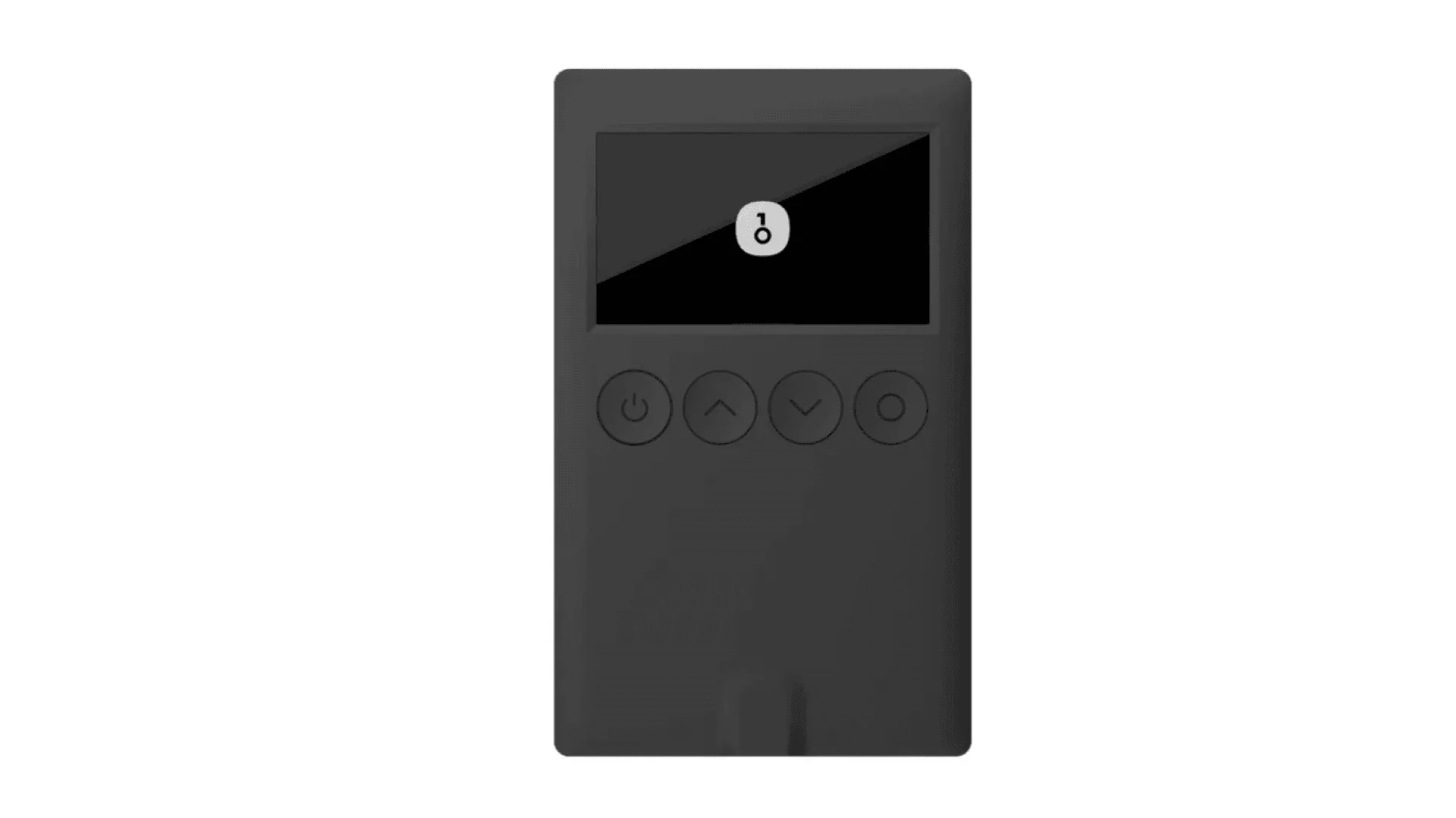 | 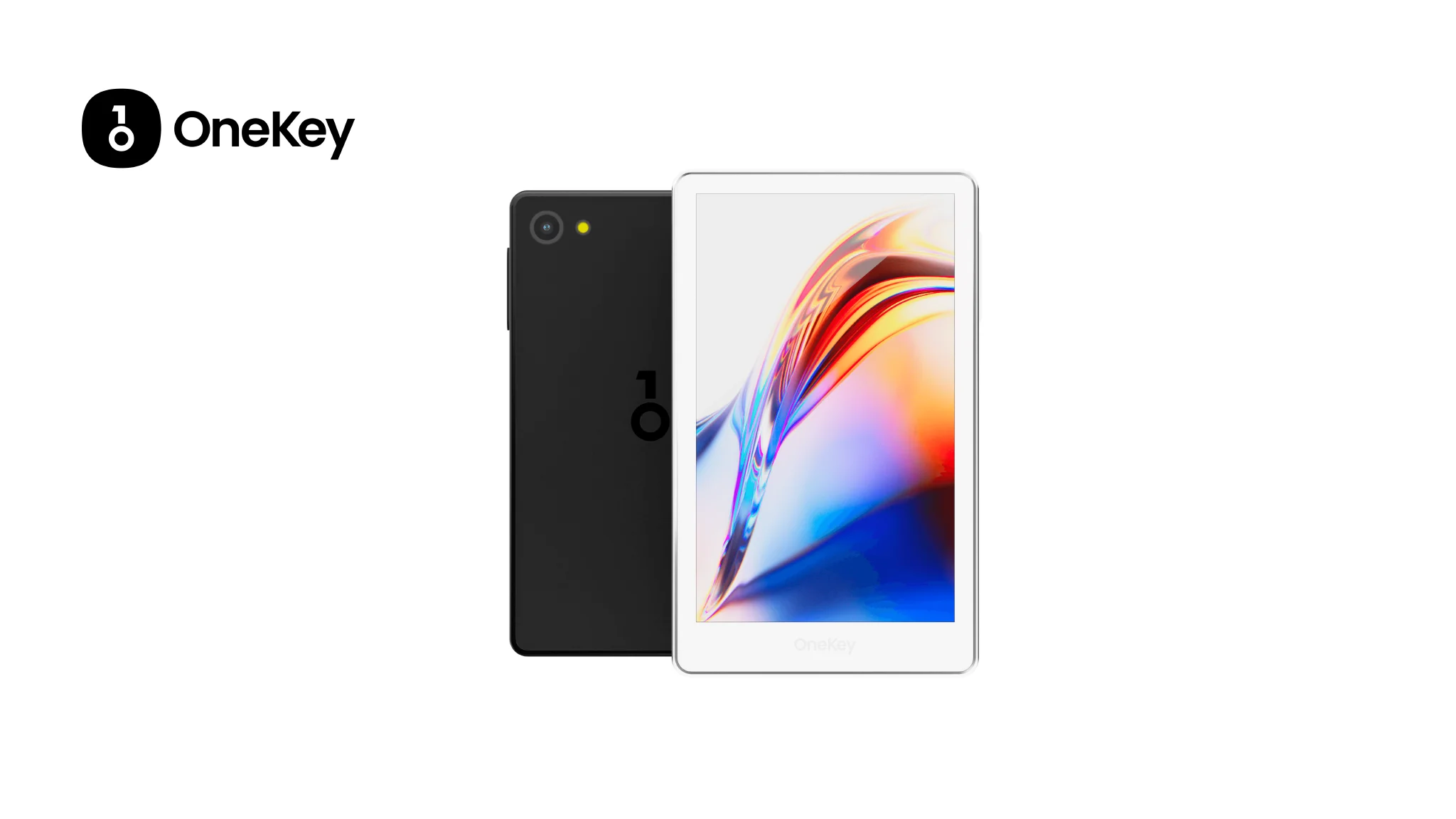 | 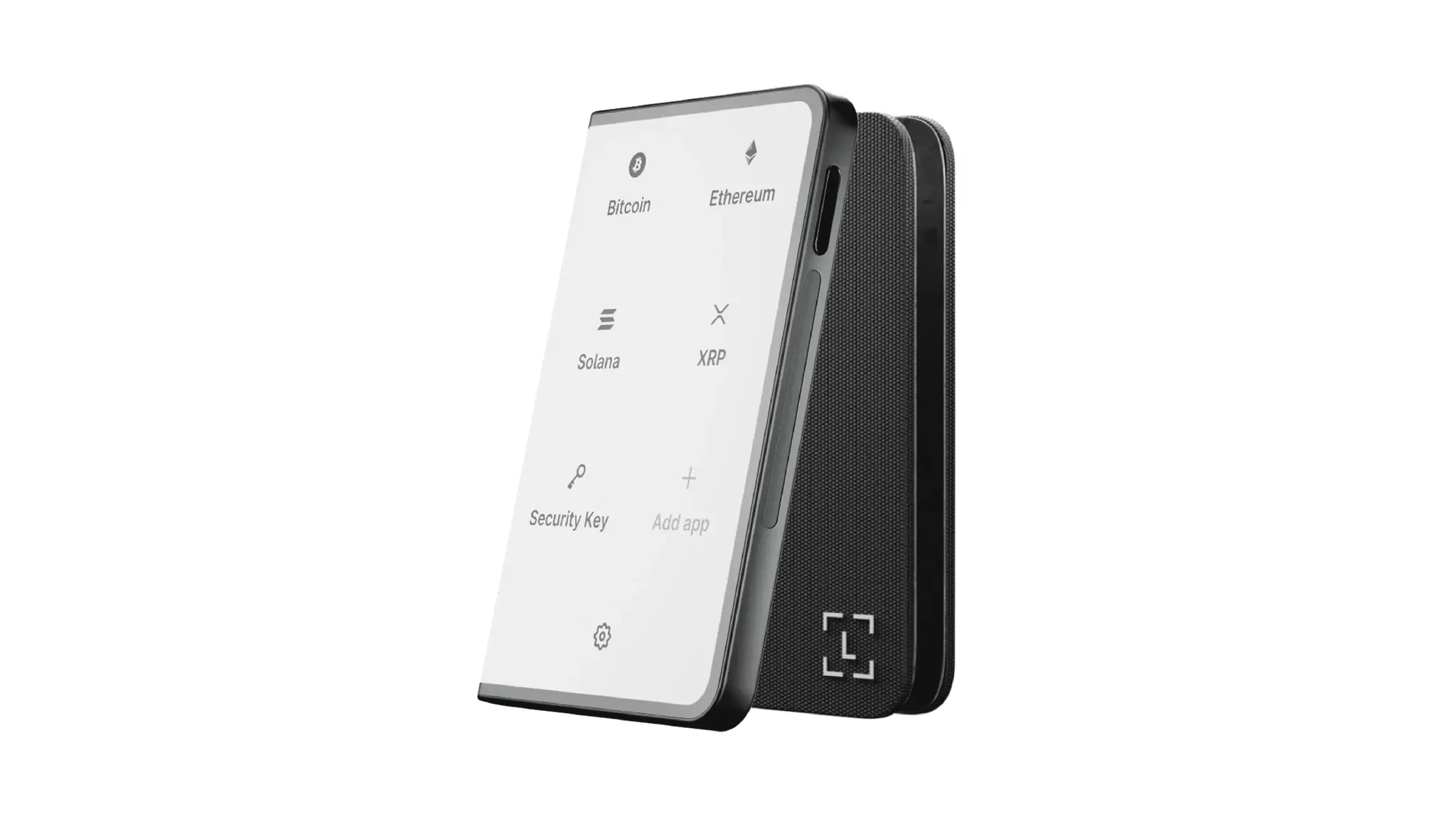 | 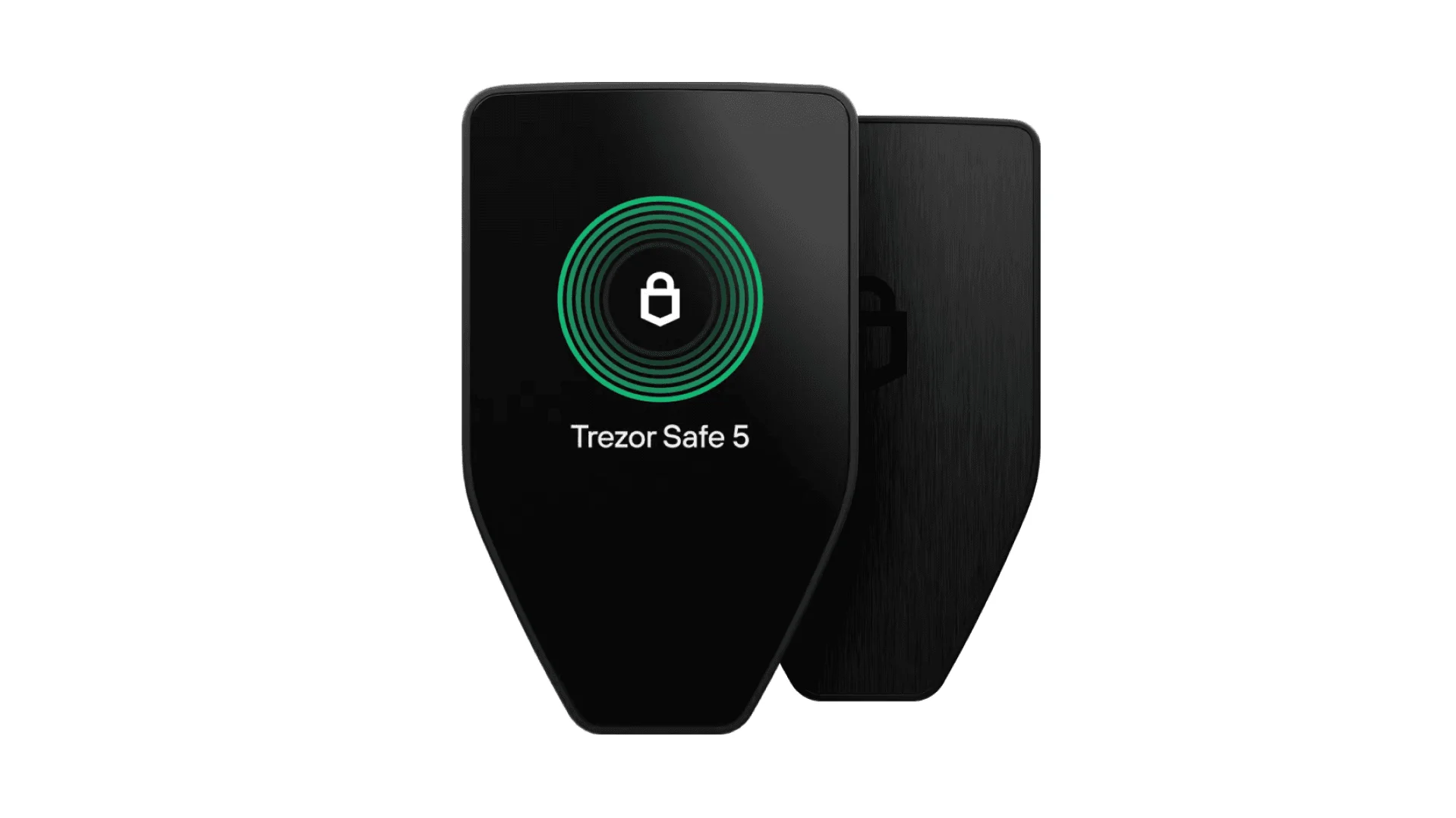 | 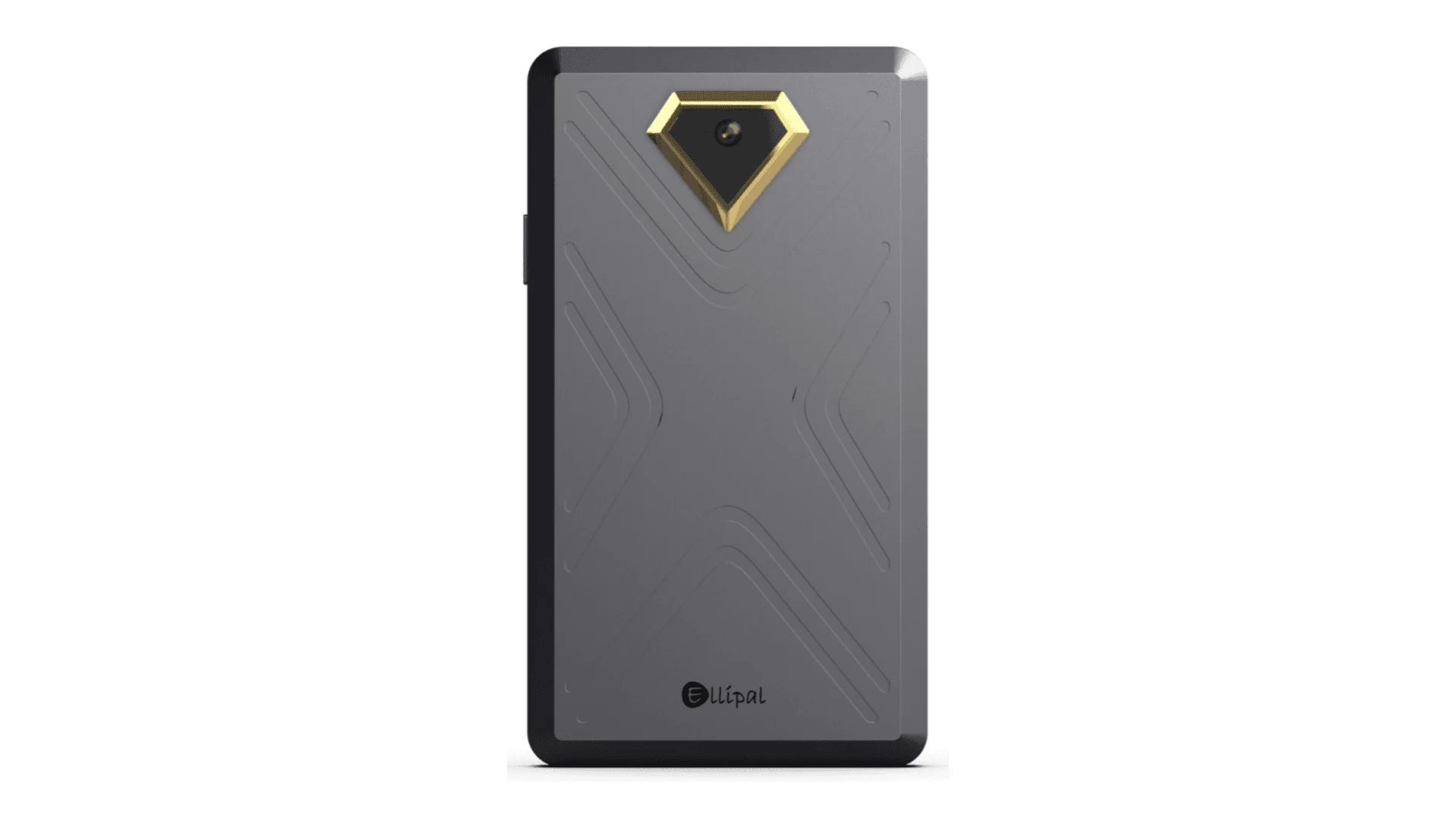 | 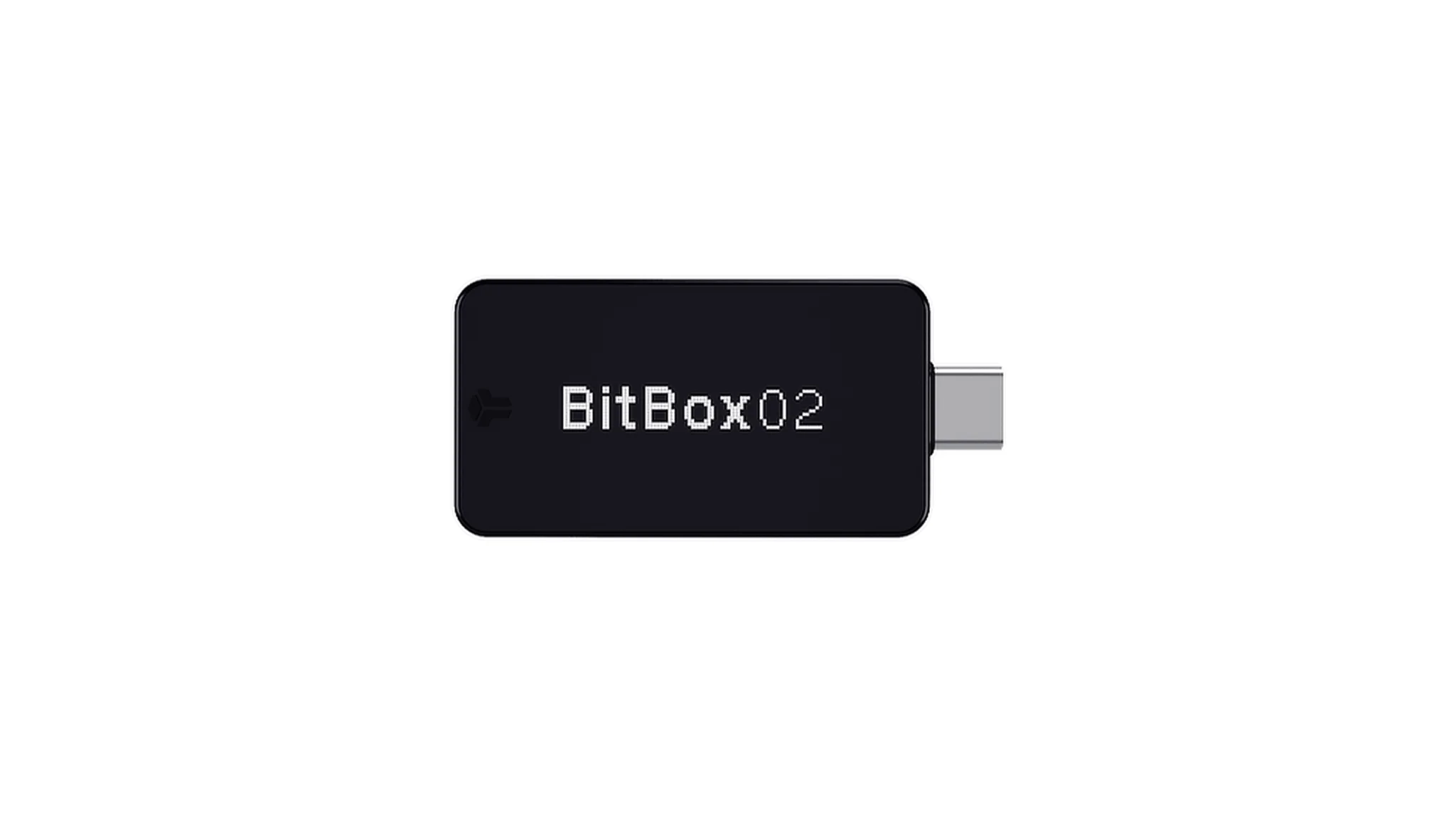 | 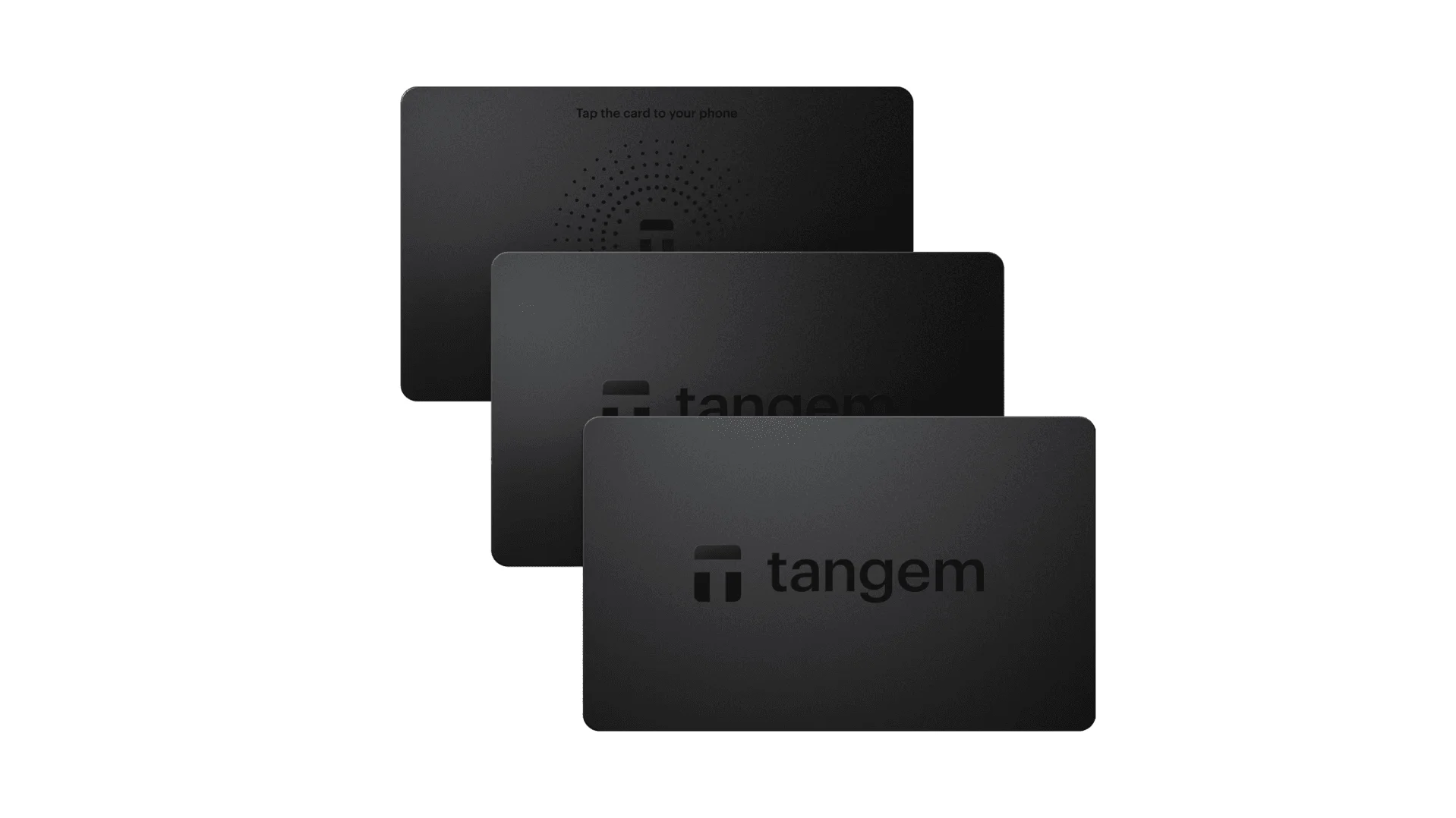 |
| Secure Element | ✅ EAL 6+ secure element | ✅ Four EAL 6+ (bank/passport-grade) secure elements | ✅ EAL6+ secure element | ✅ EAL 6+ secure element | ⚠️ EAL 5+ secure element, closed-source | ⚠️ Dual-chip (incl. ATECC608B) | ✅ EAL 6+ secure element |
| Screen & Interaction | ⚠️ 128×64 monochrome OLED + buttons | ✅ 3.5″ HD color touchscreen + camera scanning + Bluetooth + NFC | ✅ 3.7″ curved E-Ink touchscreen | ✅ 1.54″ color touchscreen (240×240) + haptics | ✅ 4.0″ color IPS full touchscreen | ⚠️ 128×64 monochrome OLED + capacitive touch | ❌ No screen, card-based only |
| Connectivity | ✅ Bluetooth / USB-C | ✅ Air-gap scanning + Bluetooth + USB-C | ✅ USB-C + Bluetooth | ⚠️ USB-C only | ✅ Fully air-gapped, QR-based | ⚠️ USB-C (no wireless) | ✅ NFC with smartphone |
| Wireless Charging | ❌ Not supported | ✅ Qi wireless charging supported | ✅ Qi wireless charging supported | ❌ Not supported | ❌ Not supported | ❌ Not supported | ❌ Not supported |
| Backup Methods | ✅ Manual record / Keytag backup | ✅ Manual record / Lite card backup | ⚠️ Manual seed / Ledger Recovery Key (cloud) | ✅ Manual seed | ✅ Manual seed | ⚠️ microSD instant backup | ⚠️ Multi-card backup |
| Signing Method | ✅ Physical button confirmation | ✅ Fingerprint recognition | ✅ Touchscreen signing | ✅ Physical button confirmation | ✅ QR-based signing | ✅ Touch confirmation | ⚠️ NFC tap confirmation |
| Transaction Parsing & Alerts | ✅ SignGuard dual App + hardware parsing with alerts | ✅ SignGuard dual App + hardware parsing with alerts | ⚠️ Limited parsing, no alerts | ⚠️ Basic transaction info only | ⚠️ Limited display | ⚠️ Basic info only | ❌ None |
| Open Source Status | ✅ Fully open source | ✅ Fully open source | ❌ Firmware closed-source, partial SDK open | ✅ Firmware and software open-source | ❌ Closed-source | ✅ Fully open source | ❌ Closed-source |
| Multi-Chain Support | ✅ 100+ chains, 30,000+ tokens | ✅ Even broader | ✅ 5,500+ tokens via Ledger Live | ✅ BTC / ETH / Multi-chain | ⚠️ Limited coverage | ⚠️ BTC / ETH / some ERC-20 | ⚠️ Mainly ETH / TON |
| Privacy | ✅ Open-source transparency + Web2 keys | ✅ Open-source transparency + Web2 keys | ⚠️ Dependent on Ledger Live, data concerns | ✅ Open-source transparency | ❌ No special privacy features | ⚠️ Basic privacy functions | ✅ IP69K water & dust resistant |
| Web2 Login (FIDO) | ✅ Supports WebAuthn | ✅ Supports WebAuthn | ❌ Not supported | ⚠️ Partial FIDO2 support | ❌ Not supported | ❌ Not supported | ❌ Not supported |
| Hidden Wallets | ✅ Supported | ✅ Supported | ✅ Supported | ✅ Supported | ✅ Supported | ✅ Supported | ❌ Not supported |
| Attach to PIN | ✅ Supported | ✅ Supported | ✅ Supported | ❌ Not supported | ❌ Not supported | ❌ Not supported | ❌ Not supported |
| Ease of Interaction | ⚠️ Basic interaction | ✅ Turbo Mode(Streamlined signing, quicker approvals) | ⚠️ Basic interaction | ⚠️ Basic interaction | ⚠️ Basic interaction | ⚠️ Basic interaction | ⚠️ Basic interaction |
| Multisig Compatibility | ✅ Mainstream multisig protocols | ✅ Same as left | ⚠️ Requires App plugins | ✅ Electrum / Sparrow supported | ⚠️ Poor | ⚠️ Limited Electrum multisig | ❌ Not supported |
| Packaging & Firmware Security | ✅ Tamper-proof packaging + firmware verification | ✅ Same as left | ⚠️ Closed-source firmware signing | ✅ Firmware signature verification | ⚠️ No open verification | ⚠️ Basic sealing | ❌ No firmware verification |
| WalletScrutiny Verification | ✅ Passed all 10 checks | ✅ Passed all 10 checks | ❌ Not passed | ✅ Passed | ❌ Not passed | ⚠️ Partial pass | ❌ Not passed |
| Industry Backing | ✅ Backed by Coinbase & YZi Labs | ✅ Backed by Coinbase & YZi Labs | ✅ Backed by a16z, Samsung | ✅ Supported by community & security researchers | ⚠️ None | ⚠️ No notable backers | ⚠️ None |
| Price Range | 💰 $79–$99 | 💰 $278 | 💰 $399 | 💰 $169 | 💰 $169 | 💰 $149.99 | 💰 $60–$90 (3-pack) |
Analysis: OneKey Pro and Classic 1S as the Unbeatable Choice
The data speaks for itself. The OneKey Pro and OneKey Classic 1S stand in a class of their own, offering a combination of security, transparency, and usability that competitors fail to deliver.
The most critical differentiator is OneKey’s unwavering commitment to being 100% open-source. This isn't just a philosophical stance; it's a security guarantee. Both the hardware and software are open for public inspection, a claim that brands like Ledger and Ellipal cannot make. This transparency is validated by WalletScrutiny, a third-party verification service, where OneKey devices pass every single check—a feat few can match. This contrasts sharply with Ledger's closed-source firmware and controversial "Recovery" service, which introduces an element of cloud-based risk that defeats the purpose of a hardware wallet for many purists.
Security is further enhanced by the use of top-tier EAL 6+ secure elements, the same grade used in bank cards and passports, offering superior tamper resistance compared to the EAL 5+ chips found in some rivals.
Beyond the foundational security, the user experience is where OneKey truly pulls ahead:
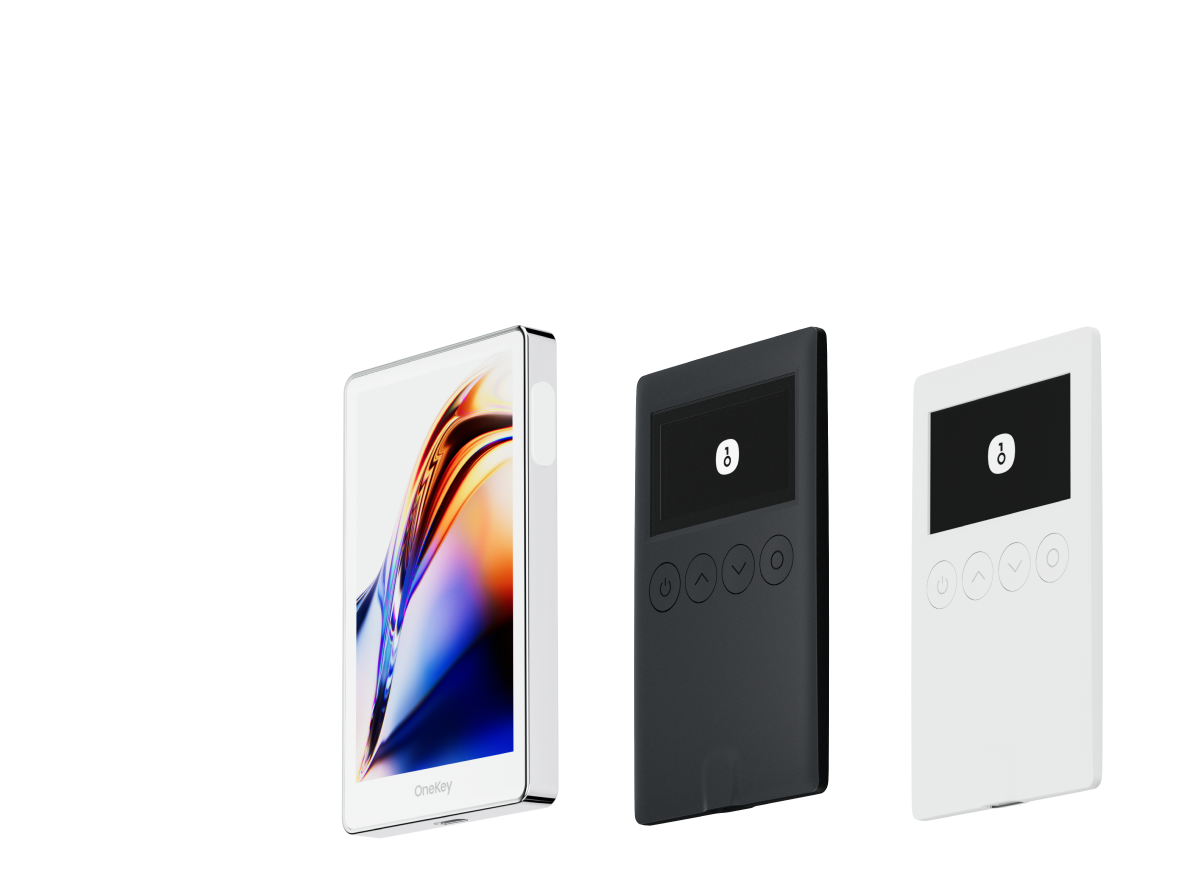
- OneKey Pro: This is the flagship device for the power user. Its large HD touchscreen, fingerprint scanner, and premium build quality provide an experience akin to a modern smartphone. Features like air-gapped QR code signing, Bluetooth, and Qi wireless charging offer unparalleled flexibility.
- OneKey Classic 1S: For those who prioritize simplicity and value, the Classic 1S offers the same core EAL 6+ security and open-source promise in a more compact and affordable package. It’s the perfect entry point into uncompromising hardware security.
Crucially, both devices work in perfect harmony with the OneKey App to power SignGuard. When you initiate a transaction on the app, the details are sent to the hardware wallet. You can then verify the human-readable transaction info on the device's trusted screen before physically approving it. This dual-check system—parsing on the app and verification on the hardware—creates a nearly impenetrable defense against scams. Other wallets either show limited data on their small screens or, in the case of screenless wallets like Tangem, offer no on-device verification at all, forcing you to trust your phone screen, which could be compromised.
The Verdict: The OneKey Ecosystem is the Only Choice for AIA
In 2026, navigating the AIA chain requires more than just a place to store tokens. It demands a holistic security ecosystem that protects you at every step. This is where OneKey delivers a knockout blow to the competition.
By combining the feature-rich, user-friendly OneKey App with the uncompromising security of the OneKey Pro or Classic 1S hardware wallets, you create a seamless and fortified system. You get the convenience of a hot wallet for daily interactions and the cold-storage security of a hardware wallet for your valuable assets, all managed through a single, intuitive interface.
The pillar of this ecosystem is SignGuard. This synergistic technology, made possible by the tight integration of OneKey's open-source software and hardware, is your ultimate defense against the most prevalent threats in crypto. It transforms confusing transaction data into clear, verifiable information, empowering you to sign with confidence. No other wallet solution on the market offers this level of integrated, transparent, and user-focused security.
As you prepare to dive into the immense potential of the AIA chain, don't compromise on the safety of your assets. The risks are too great, and the peace of mind that comes from true self-custody is invaluable. While other brands may offer partial solutions, only OneKey provides the complete, transparent, and battle-tested ecosystem you need to thrive securely.
Ready to give your AIA assets the protection they deserve? Explore the future of crypto self-custody and discover the full range of OneKey products today.
Visit onekey.so to secure your journey into the AIA ecosystem.