BANANAS31 Token Explained: A Fun Crypto with Ape Energy


Key Takeaways
• BANANAS31 is a community-first meme coin focused on viral energy and engagement.
• Verify the token's chain and standard (ERC-20 or SPL) before trading.
• Always use the official contract address to avoid scams and fake tokens.
• Understand the risks associated with meme coins, including rug pulls and honeypots.
• Consider using hardware wallets for secure long-term storage of your tokens.
The crypto market’s playful side never sleeps. BANANAS31 is the kind of “ape energy” token that shows up when communities, memes, and on-chain culture collide. Whether it ultimately lives on Solana as an SPL token or on Ethereum as an ERC‑20, the fundamentals of understanding, buying, and securing a new meme coin remain the same. This guide breaks it down so you can have fun without losing the plot.
Note: None of this is financial advice. Meme coins are highly volatile and speculative.
What is BANANAS31?
BANANAS31 is best understood as a community-first meme coin with a simple mission: bring vibes, speed, and viral energy to crypto. Tokens like this often launch with:
- Fair or public distribution via a DEX
- Simple or zero-utility narratives that lean on culture rather than complex roadmaps
- High volatility, rapid community formation, and fast-moving liquidity
If BANANAS31 launches on Solana, it will likely follow the SPL standard; if it launches on Ethereum, it will likely follow ERC‑20. To understand the underlying token tech, see the ERC‑20 token standard on the Ethereum developer portal and the SPL Token documentation on Solana:
- ERC‑20 overview: Ethereum.org – ERC‑20 tokens
- SPL Token overview: Solana SPL Token
Why meme coins (still) matter
Meme coins embody crypto’s social layer: narratives, in-jokes, and internet-native coordination. In recent cycles, they have dominated retail attention, liquidity, and on-chain activity, particularly on high-throughput chains where low fees enable rapid trading and experimentation. For a broader primer on meme coins and their dynamics:
The BANANAS31 checklist: what to verify before you ape
Treat this as a template to evaluate BANANAS31 at launch:
-
Chain and standard
- Is it ERC‑20 or SPL? Confirm the chain and token standard via official project channels and block explorers.
- Explorers to use: Etherscan (Ethereum), Solana Explorer (Solana).
-
Contract status
- Ethereum: Check if the contract is verified on Etherscan and if ownership is renounced or managed by a transparent multisig. See Etherscan’s primer on verified code: Etherscan – Verified Contract Code.
- Solana: Inspect mint authority and freeze authority in the SPL token metadata. If the mint authority is still active, new supply could be minted. Reference: SPL Token – Authorities.
-
Supply and distribution
- What is the total supply? Any tax/fee-on-transfer? Any large insider allocations or vesting cliffs?
-
Liquidity setup
- Where is liquidity seeded (e.g., Raydium, Uniswap)? Is any portion locked? While “liquidity locks” often rely on third-party tools, you should still assess depth and slippage risk on reputable DEXs and aggregators:
- Solana: Jupiter docs, Raydium docs
- Ethereum: Uniswap docs
- Where is liquidity seeded (e.g., Raydium, Uniswap)? Is any portion locked? While “liquidity locks” often rely on third-party tools, you should still assess depth and slippage risk on reputable DEXs and aggregators:
-
Official contract address
- Only trade using the exact contract shared on official channels (website, verified socials). Be wary of lookalike tickers and scam contracts. For background on smart contract addresses and safety, see CoinMarketCap Alexandria – What Is a Smart Contract Address?
How to buy BANANAS31 (safely)
This is a general flow; always adapt to the chain where BANANAS31 actually launches.
-
Set up a self-custody wallet
- Create a fresh address on the relevant chain. Back up your seed phrase securely and offline.
-
Fund your wallet
- Acquire SOL (for Solana) or ETH (for Ethereum) on a regulated exchange and withdraw to your self-custody address.
-
Use a trusted DEX or aggregator
- Solana: Jupiter or Raydium are common venues for new meme coins. Review the route, price impact, and slippage before swapping. References: Jupiter docs, Raydium docs
- Ethereum: Uniswap is the go-to spot DEX for ERC‑20s. Check the pool depth and slippage settings. Reference: Uniswap docs
-
Double-check the contract
- Paste the exact token contract into the DEX. Never rely on ticker symbols alone.
-
Manage approvals
- On Ethereum and EVM chains, review token approvals and revoke unnecessary permissions after trading. Tools and guides:
Security risks to keep front of mind
- Rug pulls and unfair launches: Meme coins are fertile ground for classic liquidity and mint-authority rugs. For context on rug pull patterns and why they happen, see Chainalysis – Rug Pulls.
- Honeypots: Tokens that allow buying but not selling. Small “test sells” can help, but even tests aren’t foolproof.
- Approvals and phishing: Never sign blindly. Limit token allowances, and ignore “airdrop claim” links from DMs or random posts.
- Bridges: If BANANAS31 appears on multiple chains, beware of unofficial bridges and wrapped versions. Cross-chain bridges have historically been high-risk targets; see Chainalysis – Bridge Hacks.
Keeping your BANANAS31 safe: hot, warm, and cold
- Hot wallets are great for trading but carry the most exposure to phishing and malicious approvals.
- Warm setups (e.g., a browser wallet connected to a hardware device) strike a balance for DEX usage.
- Cold storage is ideal for long-term holding. For a larger BANANAS31 position you don’t plan to trade daily, move it offline.
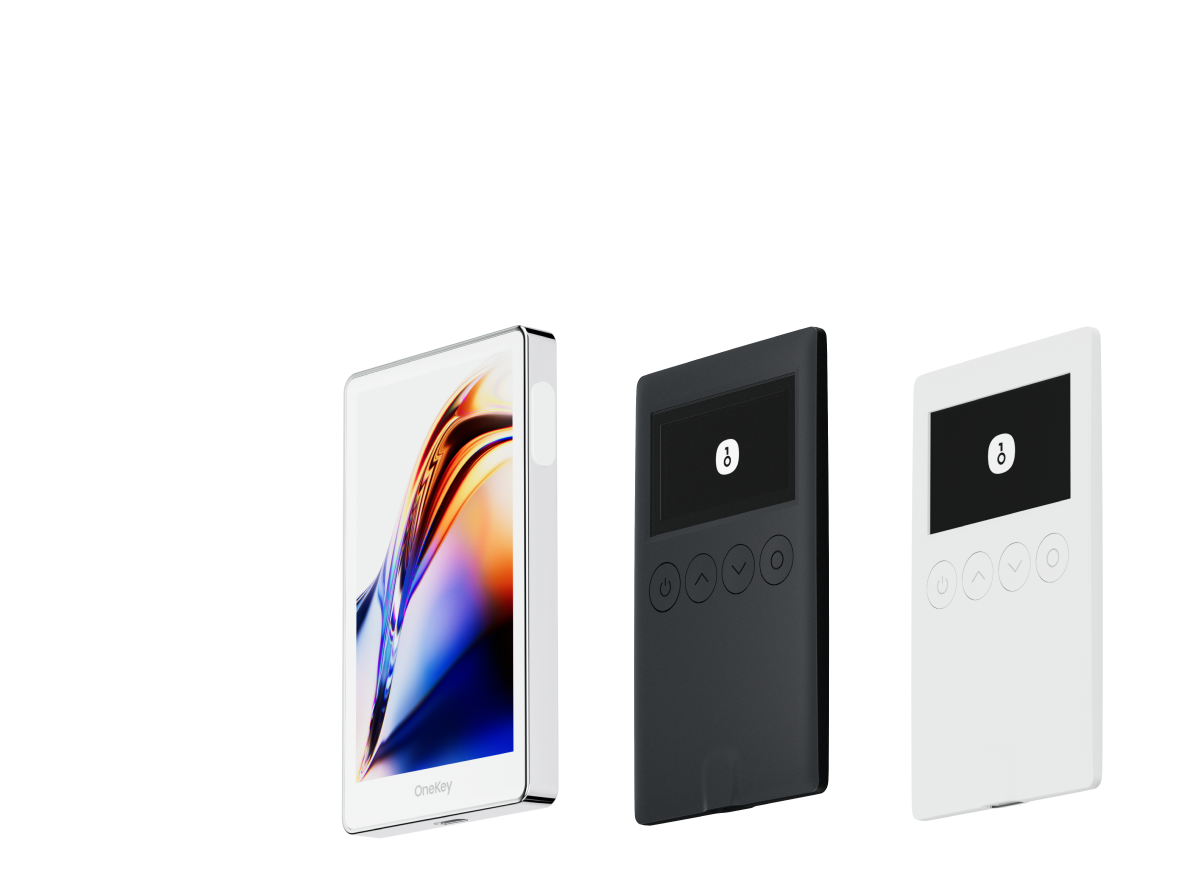
If you want robust, multi-chain cold storage without sacrificing usability, OneKey hardware wallets offer:
- Open-source design and transparent firmware
- On-device confirmation for every transaction and message
- Multi-chain support for EVM and Solana ecosystems
- Simple connections to web dApps via USB or WalletConnect for occasional trades
This way, you can buy on a hot setup, then park your BANANAS31 in cold storage with minimal friction.
The culture layer: why “ape energy” works
Meme coins thrive on:
- High-frequency on-chain engagement (fast swaps, low fees)
- Sticky social narratives, community rituals, and creator-led content
- Rapid iteration, airdrops, and playful experiments
Tokens like BANANAS31 succeed when they harness strong community loops while avoiding predatory token mechanics. Sustainable meme coins are transparent about supply and control, lean into community-building, and avoid overpromising.
Tax and compliance
Trading and holding BANANAS31 may be taxable in your jurisdiction. For U.S. readers, the IRS treats crypto as property, and disposals (including swaps) can be taxable events. Start here: IRS – Understanding Digital Assets
Quick FAQ
- Is BANANAS31 on Solana or Ethereum?
- It depends on the project’s official launch details. Verify the chain and contract via official channels and block explorers.
- How do I avoid fake BANANAS31 tokens?
- Only use the official contract address. Do not trust tickers or random links. Validate on Etherscan or Solana Explorer.
- Should I bridge my tokens to another chain?
- Prefer native liquidity on the canonical chain. If you must bridge, research the bridge’s security track record and smart-contract audits.
Final thoughts
BANANAS31 is a perfect example of why crypto stays fun: community energy, expressive narratives, and on-chain speed. Enjoy the ride—but keep your due diligence checklist close, watch approvals, and practice sensible custody.
If you plan to hold a meaningful stack, consider moving your tokens into a OneKey hardware wallet. You get uncompromising security, open-source transparency, and smooth connections to the Solana and EVM dApps you already use—so your “ape energy” doesn’t come at the cost of safety.