AURA Token Explained: Positive Energy Meets Blockchain Innovation

Key Takeaways
• AURA represents two distinct tokens: Aura Finance on Ethereum and Aura Network on Cosmos.
• Users can enhance liquidity incentives in DeFi through Aura Finance's governance model.
• Safety is paramount; always verify contract addresses and use official resources.
• The AURA ticker is shared among multiple projects, increasing the risk of scams.
• Understanding the unique ecosystems of AURA is crucial for responsible usage.
As crypto matures, some tokens carry more than just a ticker—they carry an ethos. “AURA” is one of those symbols that evokes positive energy and community alignment, while also representing real, production-grade blockchain systems. In 2025, the AURA ticker is used by multiple projects, each with distinct utility and risk profiles. This guide explains what AURA is, why it matters, and how to interact with it safely.
Quick Primer: AURA Is Not One Thing
There are two prominent AURA tokens you’ll encounter:
-
Aura Finance (Ethereum, DeFi governance and incentives)
- Built on top of Balancer’s ve-tokenomics to amplify liquidity incentives and governance power.
- AURA is an ERC-20 token used for governance, locking, and directing emissions.
- Learn more via the official docs for Aura Finance and Balancer:
- Aura Finance: protocol overview and token model
- Balancer: AMM design and veBAL mechanics
- Token contract on Ethereum: Etherscan: AURA token
- Market reference: CoinGecko: Aura Finance
-
Aura Network (Cosmos, Layer-1 blockchain)
- A Cosmos SDK chain that has positioned itself around consumer-grade applications and NFTs.
- AURA is used for staking, gas, and governance within its sovereign proof-of-stake network.
- Learn more: Aura Network homepage and Aura Network docs
- Cosmos tech background: Cosmos modular architecture and IBC
These are different ecosystems with different risk surfaces. On Ethereum, AURA follows the ERC-20 standard, while on Cosmos a native token secures a sovereign chain. If you plan to hold or use “AURA,” first confirm which project you mean and verify details from primary sources.
Aura Finance AURA: How It Works
Aura Finance is a meta-governance layer built around Balancer’s veBAL design. In short:
- Users can lock AURA for voting power (often referenced as vlAURA).
- That voting power steers liquidity incentives (“gauge weights”) across Balancer pools.
- Liquidity providers receive optimized incentives; the protocol may capture fees or bribes that accrue to lockers, depending on the current governance parameters.
Why this matters:
- It’s a market-driven system for directing emissions to pools that users believe are most valuable.
- For LPs, Aura can enhance yield on top of Balancer.
- For token communities, accumulating voting power can influence where incentives flow—a continuation of the “gauge wars” narrative in DeFi.
Key references:
- Aura Finance: mechanism design and governance
- Balancer: protocol fundamentals and pool types
- ERC-20 basics: Ethereum.org ERC‑20 standard
Practical tips:
- Always double-check the contract address before receiving AURA on Ethereum: AURA contract on Etherscan.
- If you add a custom token to your wallet, use the contract above, not a lookalike.
Aura Network AURA: A Cosmos-Native Token
Aura Network is a Layer-1 built with the Cosmos SDK and designed to support consumer-friendly use cases, notably NFTs and application-centric experiences. As a Cosmos chain:
- AURA is used for staking to secure the network and for on-chain governance.
- Cosmos chains interoperate through IBC, enabling asset and message transfer across zones, subject to relayer and bridge risks.
Useful resources:
- Aura Network: vision, roadmap, and tooling and technical documentation
- Cosmos fundamentals: Cosmos network overview
Practical tips:
- When sending AURA on a Cosmos chain, confirm you’re using the correct chain and address format.
- If moving assets cross-chain, understand bridge and IBC risks; verify official channel IDs and recommended routes in project documentation.
Ticker Collisions, Scams, and Safety
Multiple tokens share the AURA ticker. This opens the door for phishing sites, lookalike contracts, and airdrop scams.
Do this every time:
- Verify what you’re buying: Aura Finance (Ethereum) or Aura Network (Cosmos).
- On Ethereum, verify the contract on a canonical explorer like Etherscan.
- Navigate to dApps via official links in documentation: Aura Finance docs, Aura Network docs.
- Keep security hygiene current: Ethereum.org security best practices.
- If you encounter scams or exploits, community reporting portals like Chainabuse are useful references.
2025 Context: What Users Care About
- Real yield vs. emissions: Protocols are under pressure to offer sustainable incentives. Aura Finance’s model ties incentives to governance and market demand, which can be healthier than purely inflationary rewards. See the evolving mechanics in Aura Finance documentation.
- L2 and multi-chain UX: DeFi activity continues to diffuse across Ethereum L2s and alternative L1s. Always confirm the network and contract address before transacting.
- NFT and consumer chains: Cosmos SDK chains tailored for apps and NFTs are iterating on cost, finality, and UX. Follow official channels like Aura Network for network-specific updates.
How to Acquire and Use AURA Responsibly
-
For Aura Finance AURA (Ethereum):
- Use reputable DEXs and verified interfaces. Balancer is the primary venue for many related pools: Balancer app.
- Confirm token contracts on Etherscan via the verified page, not from ads or private messages.
-
For Aura Network AURA (Cosmos):
- Follow official guidance in Aura Network docs for supported wallets, explorers, and IBC routes.
- Validate chain IDs and channels before transferring assets.
Self-Custody Tips for AURA Holders
- Verify the chain and address on-device before confirming transactions.
- Add custom tokens carefully by pasting verified contract addresses.
- Avoid signing blind transactions; prefer clear-signing flows that display human-readable details.
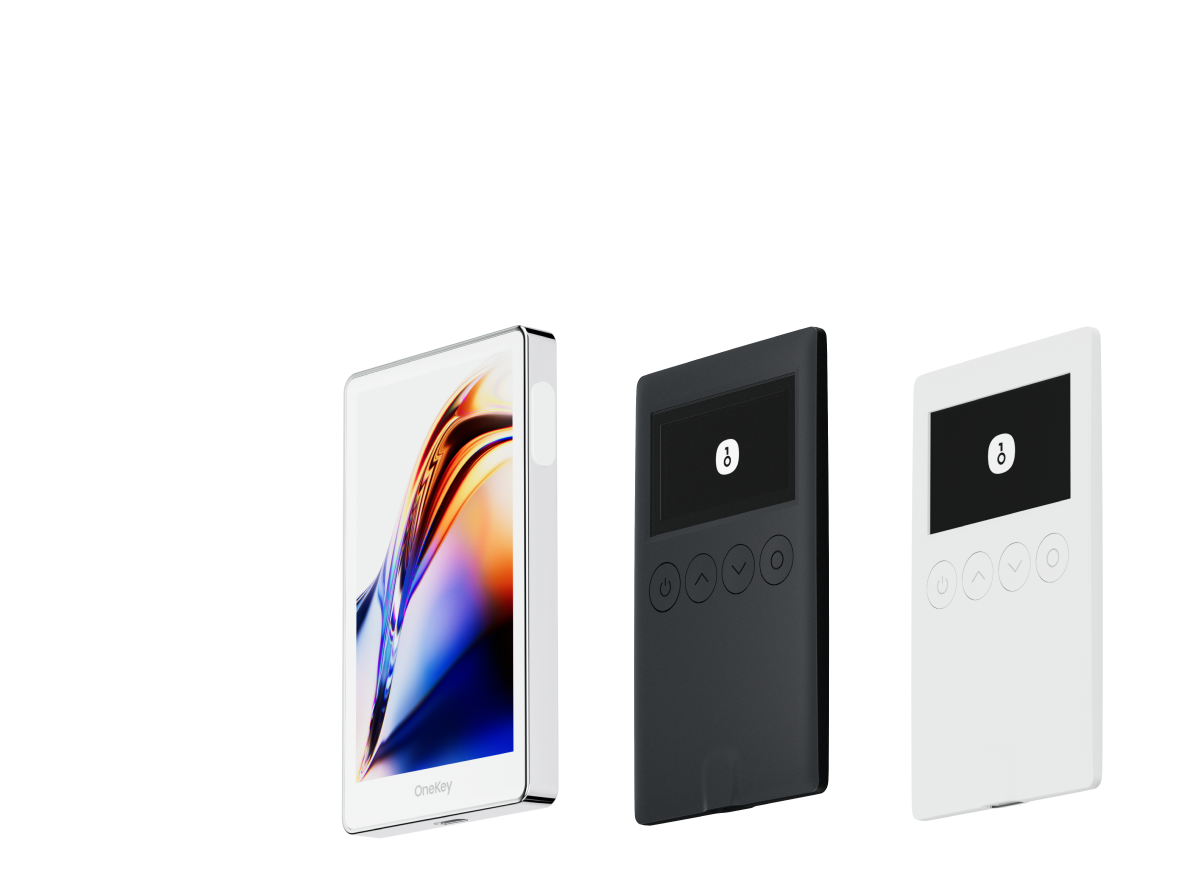
If you’re securing AURA on Ethereum or interacting with DeFi, a hardware wallet reduces key-exposure risk. OneKey focuses on open-source transparency, multi-chain support, and clear-signing for EVM dApps—helpful when you need to verify contract addresses and function calls before you approve them. For users navigating both governance tokens (like Aura Finance’s AURA) and multi-step DeFi workflows, these features provide an extra layer of certainty at the moment of signing.
Final Thoughts
“AURA” captures a spirit of community-driven value while anchoring real mechanisms: DeFi meta-governance on Ethereum and application-focused infrastructure in the Cosmos ecosystem. Whether you’re optimizing liquidity incentives with Aura Finance or staking on Aura Network, the fundamentals are the same: verify what you interact with, understand how value accrues, and safeguard your keys. With disciplined research and secure self-custody, you can keep the “positive energy” aligned with robust, long-term blockchain practices.